
Introduction
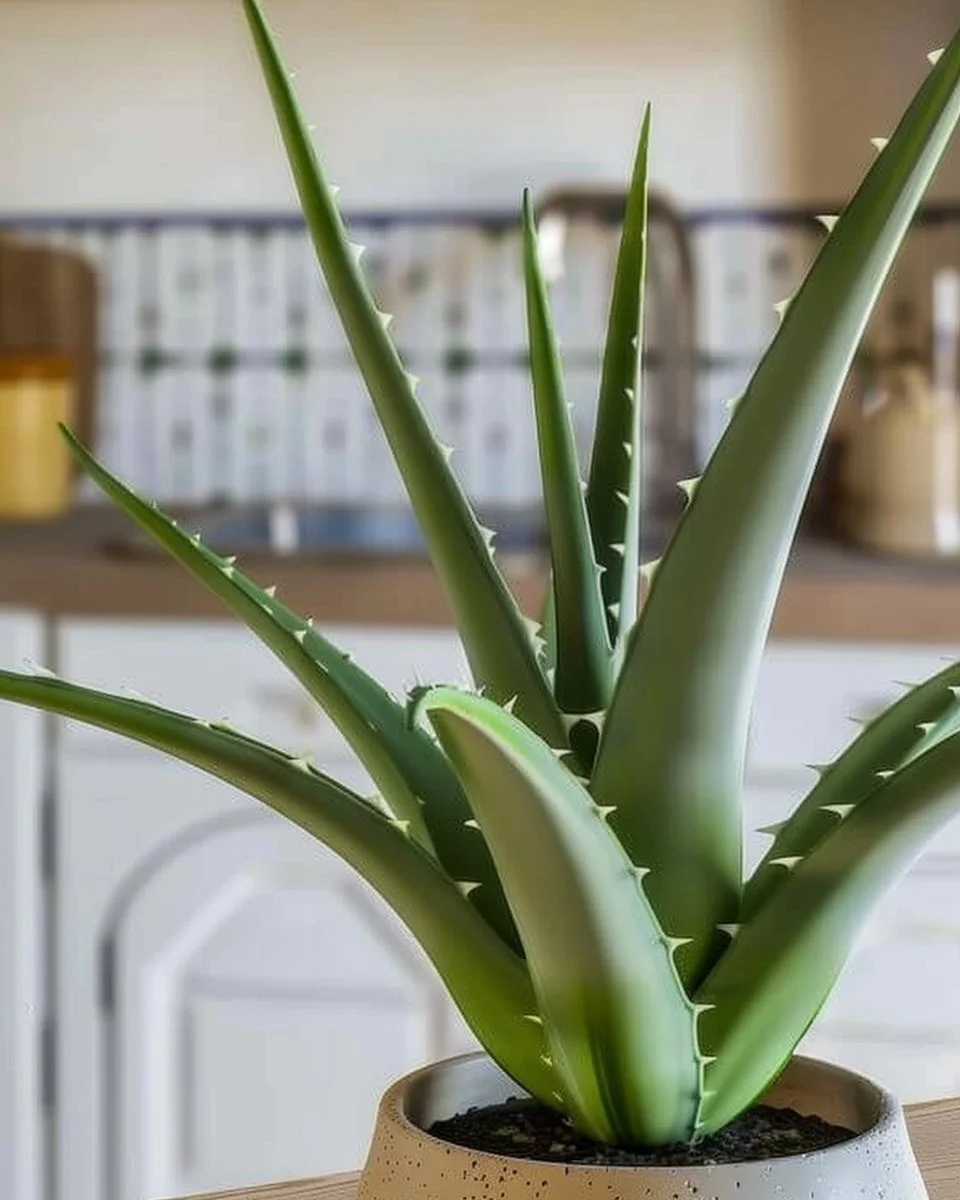
If you’re like many of us, your home is your sanctuary, a place where you unwind and find a bit of peace amidst the chaos of everyday life. Surrounding yourself with plants not only brightens up your space but can also boost your mood and improve the air quality. Among the numerous houseplants, aloe vera stands out as a true champion. This succulent is not only visually appealing with its fleshy, green leaves but is also beneficial for our skin and health. However, many new plant parents wonder how to care for it properly. That’s where Easy Aloe Vera Care: Tips for a Thriving Plant at Home comes in. In this guide, you’ll learn everything you need to know to cultivate a healthy and vibrant aloe vera plant right in your living room.
Table of Contents
Understanding Aloe Vera
Origin and Benefits
Aloe vera isn’t just easy on the eyes; it has a rich history of medicinal use. Indigenous to the Arabian Peninsula but now grown worldwide, it’s been cherished for centuries for its healing properties. People have used this succulent for everything from soothing sunburn to promoting digestion. And let’s not forget the gel-like substance within its leaves that can work wonders for your skin. It’s easy to see why aloe vera is often considered a must-have houseplant!
Common Varieties
While there are many types of aloe, the most common one we think of is Aloe vera (barbadensis miller). However, you might also come across Aloe aristata, with its unique rosette shape, or Aloe plicatilis, which has a more tree-like appearance. Each has its charm, but they all share similar care needs.
Ideal Growing Conditions
Light Requirements
Aloe vera loves bright, indirect sunlight. Positioning it near a sunny window can work wonders. However, be cautious of direct, harsh sunlight, as this can scorch those lovely leaves. If you notice brown spots appearing on your aloe, it might be getting too much sun. Have you ever considered how light impacts your mood? Just as we thrive with sunshine, aloe does too!
Soil Selection
Ensure your aloe is planted in well-draining soil—this is essential. A cactus or succulent mix works well, or you can create your own by mixing regular potting soil with sand or perlite. Draining is crucial; standing water can lead to root rot, and nobody wants that!
Temperature and Humidity
Aloe vera prefers warmer temperatures, ideally between 60°F and 75°F (15°C-24°C). It tolerates dry air without issue, making it perfect for indoor environments. If you live in a particularly humid area, don’t worry; aloe will still thrive.
Watering Your Aloe Vera
Signs of Overwatering
Many novice gardeners get watering wrong. Aloe vera prefers to dry out between waterings. If you see yellowing leaves or mushy spots at the base, your plant might be drowning. Remember: less is more with succulents. Let the top inch of the soil dry out before adding more water.
Signs of Underwatering
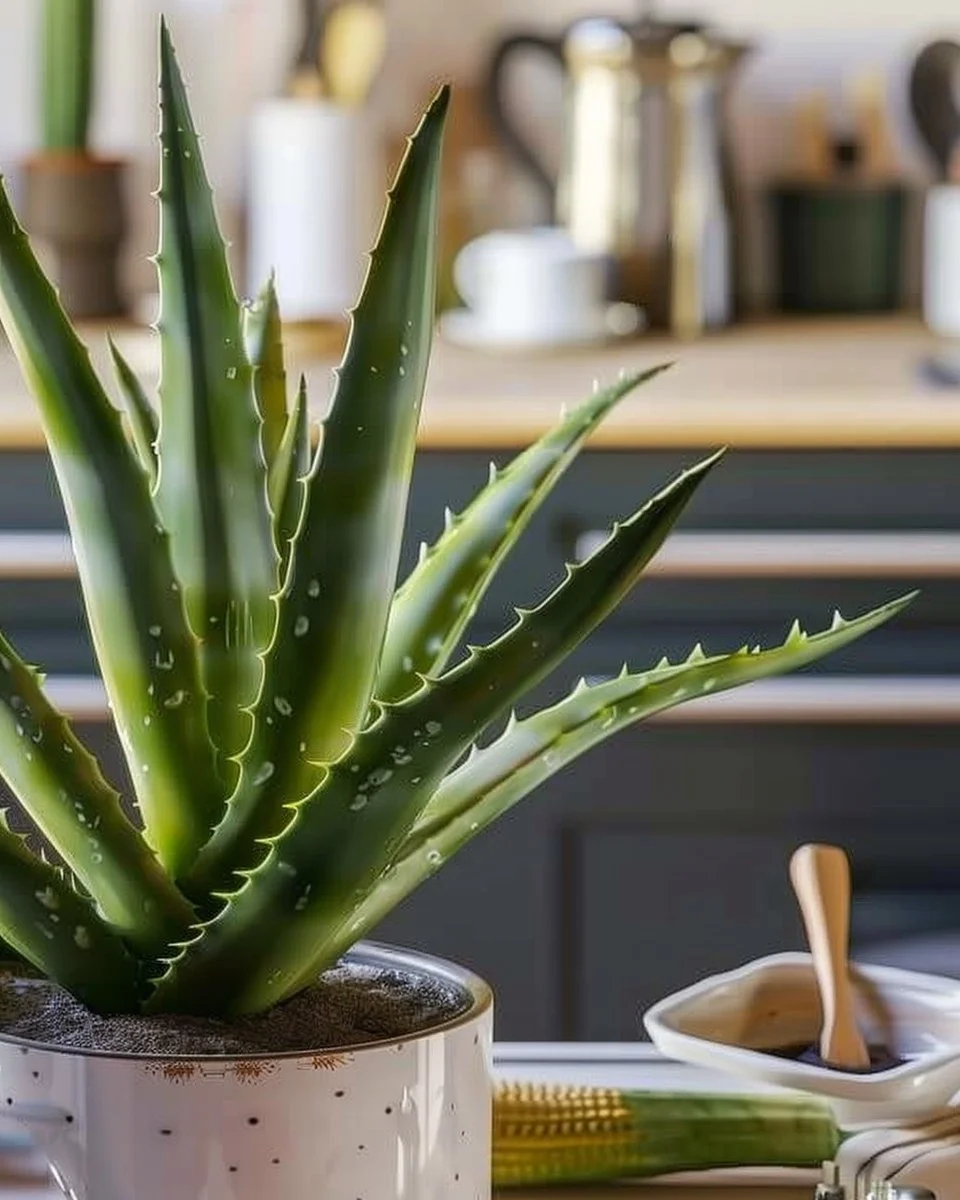
Conversely, if the leaves start to shrivel or look flat, it’s time to give your aloe a drink. A healthy plant is plump and firm, so it’s essential to find that balance—your plant will reward you with its verdant appearance!
Fertilizing Your Aloe Vera
Best Fertilizers for Aloe Vera
When it comes to fertilizing, aloe vera is a bit of a minimalist. During the growing season (spring and summer), a half-strength, water-soluble fertilizer can be beneficial. Look for formulas high in potassium and phosphorus, which are excellent for promoting healthy growth and flower production.
Frequency of Feeding
You don’t need to fertilize often—just about once a month should do. Your aloe will appreciate the occasional boost, but over-fertilizing can lead to leggy growth and may compromise your plant’s health.
Repotting Your Aloe Vera
When to Repot
As your aloe grows, you might notice it outgrowing its pot, which is a good sign! Generally, you should consider repotting every couple of years or when you spot roots emerging from the drainage holes. A bit of repotting goes a long way in keeping your aloe happy.
Steps to Repot Safely
To repot, gently remove the aloe from its existing pot and shake off excess soil. Be careful not to damage the roots. Choose a slightly larger pot with drainage holes and add fresh, well-draining soil. Position your aloe in the center, fill it in with soil, and give it a good drink of water after planting.
Troubleshooting Common Issues
Pests and Diseases
While aloe is typically pest-resistant, it can sometimes attract mealybugs or aphids. If you find any unwelcome guests, remove them with a cotton swab dipped in rubbing alcohol. Regular checks will help keep your plant pest-free.
How to Revive a Struggling Plant
Have you ever seen your beloved plant start to droop? If so, don’t despair! Assess the watering—too little or too much can both cause wilting. Adjust your care routine accordingly, and soon enough, your aloe will be back to basking in the sunlight.
Final Thoughts on Easy Aloe Vera Care
Understanding the ins and outs of Easy Aloe Vera Care: Tips for a Thriving Plant at Home allows you to create a nurturing environment for your green friend. With proper light, watering, and repotting techniques, your aloe can thrive and bring joy to your space for years to come. Remember that caring for plants is a learning experience, and there’s always room for growth—both for you and your plants.
FAQs
How often should I water my aloe vera?
Water your aloe when the top inch of soil feels dry. Generally, this can be every 2-3 weeks, depending on your climate.
Can I use regular potting soil for aloe vera?
While you can, it’s best to mix regular potting soil with sand or perlite to ensure good drainage.
Is aloe vera safe for pets?
While aloe vera is beneficial for us, it can be toxic to pets if ingested, so keep it out of reach of curious paws.
Why are my aloe vera leaves turning brown?
Brown leaves can indicate too much sun exposure or overwatering. Assess the plant’s environment and watering schedule.
How can I encourage my aloe to bloom?
Give your aloe ample sunlight and avoid over-fertilization. A healthy plant is more likely to bloom when it’s well-cared for.