
Introduction to DIY Window Boxes
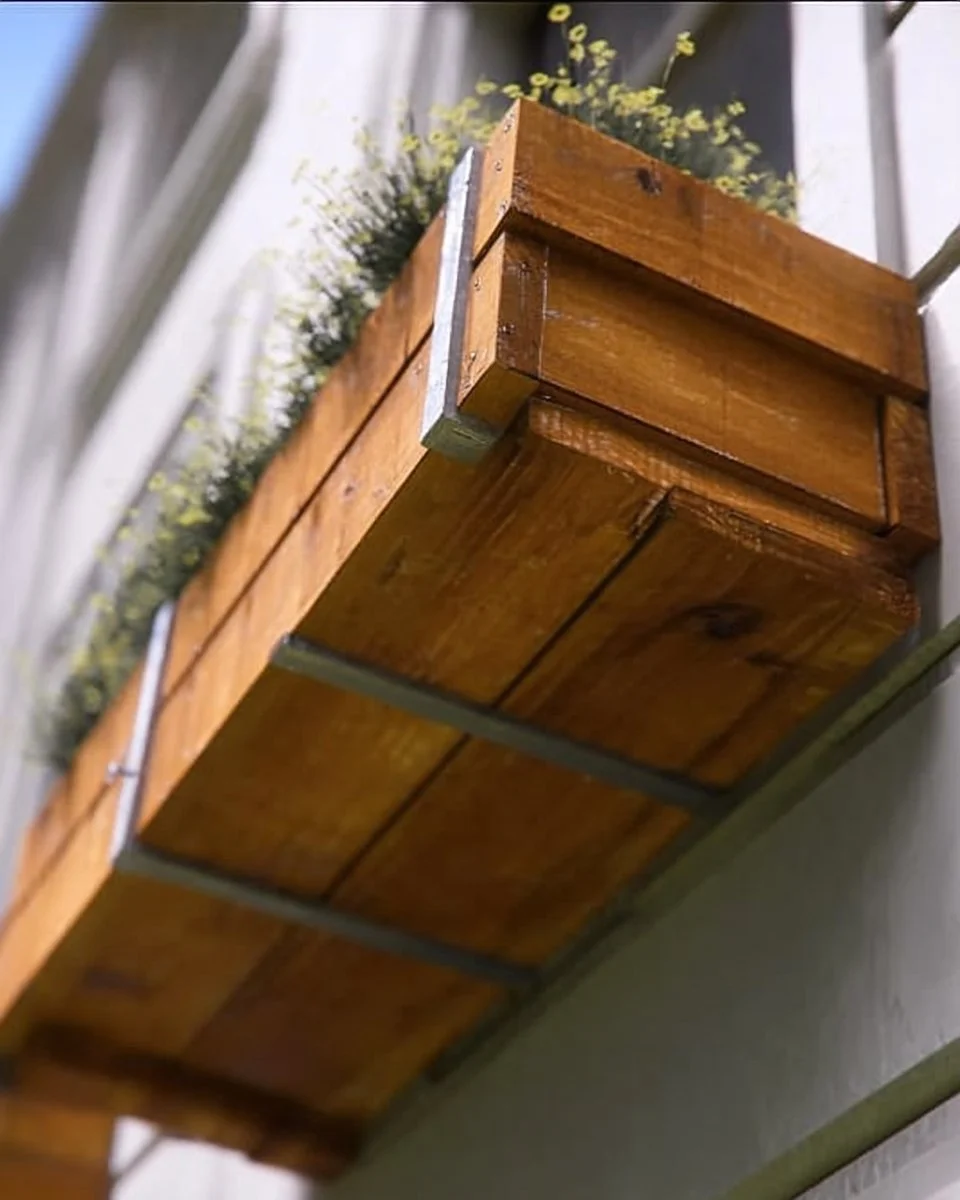
Creating your own DIY window boxes can transform your home’s exterior into a vibrant display of plants and flowers. Have you ever walked past a house with stunning blooms spilling over the edges of charming window boxes? Wouldn’t you love to replicate that beauty at your own home? Not only do these window boxes add curb appeal, but they also provide a practical way to enjoy gardening in limited spaces.
Building window boxes can be so rewarding! In just a few hours, you can create a custom piece that reflects your style. Plus, this project allows you to be ingenious with dimensions, styles, and plant selections. The cost of materials is typically budget-friendly, making it an accessible project for anyone. Whether you have a green thumb or are just starting to explore gardening, DIY window boxes can be tailored to suit your skill level and preferences.
What makes this project unique is its versatility. You can craft simple or intricate designs, using various types of woods or finishes to complement your home’s aesthetic. It’s perfect for outdoor settings where you can showcase blooming flowers during spring and summer and lush greenery during the winter months.
Table of Contents
Key Benefits of DIY Window Boxes
Why You’ll Love This Build
- Durability: Choose weather-resistant materials that will last for years.
- Simplicity: Easy to construct, even for beginners.
- Versatility: Customize the size and design to fit your windows perfectly.
- Portability: Move them as needed, or change the flowers according to the season.
- Cost Savings: Building your own is often cheaper than purchasing pre-made boxes.
- Space Efficiency: Ideal for small outdoor spaces like balconies or porches.
What Makes It Stand Out
DIY window boxes offer a cozy, personalized feel that store-bought options often lack. You can choose exact dimensions, types of wood, and plant selection to suit your taste. Moreover, customization options extend beyond mere aesthetics; they can also involve drainage solutions and styles that cater to the specific plants you wish to grow. DIY projects provide a sense of achievement that complements your gardening hobby and enhances your outdoor living area.
Project Specs for DIY Window Boxes
At-a-Glance Details
- Skill Level: Beginner to Intermediate
- Estimated Time: 4-6 hours
- Estimated Cost (USD): $50 – $150
- Dimensions: Customizable, typical length ranges from 24″ to 48″ (61cm to 122cm)
- Indoor/Outdoor Suitability: Outdoor
- Tools Needed at a Minimum: Power drill, miter saw, measuring tape
Materials and Tools for DIY Window Boxes
Complete Materials List with Measurements
- 1″ x 6″ Cedar Boards (4 pieces, length depends on your box size)
- 1″ x 4″ Cedar Boards for the bottom (1 piece)
- Wood screws (2.5 inches for assembly, approx. 20 screws)
- Wood glue
- Outdoor wood seal or paint (1 quart)
- Landscape fabric (1 yard)
Complete Tools List
- Power drill with bits
- Miter saw or hand saw
- Measuring tape
- Clamps
- Sander with different grit sandpaper
Substitutes and Alternatives
If cedar isn’t available, pressure-treated pine or redwood can serve as good substitutes due to their resistance to decay, maximizing the lifespan of your window boxes. For a more budget-friendly approach, consider using plywood treated for outdoor use. Always ensure you select finishes that are suitable for outdoor use to protect your investment.
Cut List and Measurements for DIY Window Boxes
- Cedar boards:
- Front: 48″ (121.9 cm) cut 2 pieces
- Back: 48″ (121.9 cm) cut 2 pieces
- Sides: 10″ (25.4 cm) cut 2 pieces
- Bottom: 1″ x 4″ to width (cut to size based on box length)
- If joining multiple pieces, make sure to pilot hole at each end with a 1/8-inch drill bit to prevent wood splitting.
Safety and Prep for DIY Window Boxes
Before starting, be sure to wear personal protective equipment, including safety goggles and dust masks. Set up your workspace in a well-ventilated area to reduce inhalation of sawdust. Accurate measuring is crucial, so take your time and double-check all measurements before cutting. Using clamps can help ensure precise alignment during assembly.
How to Build DIY Window Boxes – Step-by-Step Directions
Step 1 – Prep and Layout
Begin by selecting your materials and ensuring they are free of defects. Measure and mark accurate dimensions on your cedar boards using a measuring tape. It’s essential to confirm that all angles are square for a neat final product.
Step 2 – Cut and Label Pieces
Use your miter saw to cut the boards according to your previously marked dimensions. After cutting, label each piece—this helps avoid confusion during assembly. Ensure you have a smooth, clean edge for a snug fit.
Step 3 – Dry Fit and Mark Joinery
Perform a dry fit of the pieces to ensure they fit together correctly. Mark where you plan to drill pilot holes for screws. Use a pencil for precision, remembering to follow wood grain if applicable.
Step 4 – Assemble the Frame/Body
Securely fasten the front, back, and sides to create the box structure. Use wood glue and screws to strengthen the joints. Drive the screws in, ensuring flush alignment without compromising the integrity of the material.
Step 5 – Reinforce and Square
Check the box for squareness by measuring diagonally from corner to corner. Adjust as necessary. Reinforce joints with extra screws where needed, especially in high-stress areas.
Step 6 – Attach Surfaces or Panels
For the bottom panel, ensure it is securely fastened to prevent soil loss. Space your screws evenly, about 6 inches apart, and consider adding additional glue for strength.
Step 7 – Sanding and Edge Treatment
Sanding is essential to achieve a smooth finish. Start with a coarse grit and progress to finer grits, ensuring all surfaces are smooth. Remove all dust with a damp cloth before finishing.
Step 8 – Finish Application
Apply your chosen outdoor seal or paint evenly. Follow the manufacturer’s recommendation for drying times between coats. Multiple coats may be necessary for complete coverage and protection.
FAQ Section
What are the best plants for window boxes?
Consider using trailing plants like ivy, petunias, or geraniums along with taller species like snapdragons or ornamental grasses for height and depth.
How do I ensure my DIY window box can drain properly?
Drill several holes in the bottom of your box to facilitate drainage and place a layer of landscape fabric over the drainage holes to keep soil in place.
Can I use my window boxes indoors?
Yes, you can use them indoors as well, but make sure to place a waterproof liner inside to protect your furniture or flooring from water damage.
Are there any specific treatments needed for cedar wood?
Cedar is naturally resistant to decay, but you can apply an outdoor sealant to enhance longevity and protect against the elements.
How can I customize my window boxes?
There are endless possibilities! You can vary dimensions, paint styles, distress finishes, or use decorative brackets to match your home’s architecture.