
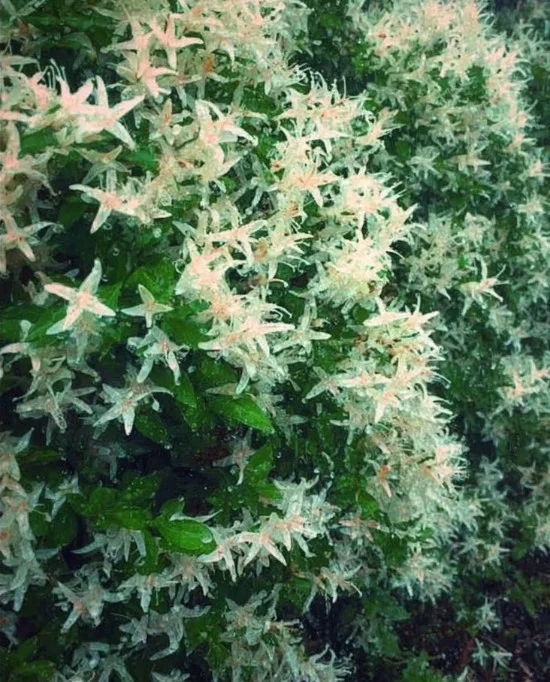
Have you ever strolled through a garden and been captivated by the shimmering, multi-colored foliage of a Dappled Willow? With their enchanting blends of green, pink, and cream, these shrubs are not just a feast for the eyes but also provide structure and character to any landscape. In this guide, known as Dappled Willow: The Complete Guide, you’ll learn everything you need to know about selecting, planting, and maintaining this stunning plant. Whether you’re an experienced gardener or just starting, this guide will arm you with practical advice and insider tips to keep your Dappled Willow thriving.
Table of Contents
Choosing the Right Dappled Willow Variety
When it comes to Dappled Willows, there are several varieties that can enhance the aesthetic appeal of your garden. The most common variety is the Salix integra ‘Hakuro-nishiki,’ known for its striking pink and white variegated leaves. Other notable options include ‘Flamingo’ and ‘Kurilensis.’ Have you ever thought about the unique features that each variety brings? For instance, the ‘Flamingo’ showcases a more robust form, perfect for borders, while ‘Hakuro-nishiki’ offers a more delicate appearance, making it ideal for smaller spaces.
Common Varieties to Consider
Each type of Dappled Willow has its own color palette and growth habit. Familiarizing yourself with what’s available can help you select the best fit for your design:
- ‘Hakuro-nishiki’: Provides lovely pink and cream foliage that turns a striking yellow in the fall.
- ‘Flamingo’: Features bright, vibrant leaves that are particularly appealing in spring and summer.
- ‘Kurilensis’: Known for its hardiness and resistance to cold, this variety is ideal for northern gardens.
Unique Features and Benefits
Dappled Willows are not only visually appealing; they serve practical purposes as well. Some benefits include their ability to attract pollinators and their adaptability to various soil types. They can thrive in both wet and dry conditions, making them versatile additions to your landscape.
Planting Your Dappled Willow
Timing is everything when it comes to planting your Dappled Willow. The best time to plant these stunning shrubs is in early spring or fall when the temperatures are mild, and the ground is workable.
Best Time to Plant
Selecting the right season can influence the health and thriving potential of your plant. Early spring, right after the last frost, is ideal for planting your Dappled Willow because it allows the roots to establish before the hot summer months. If you missed the spring window, fall is another excellent option, offering cooler temperatures that ease transplant shock.
Site Selection and Preparation
Finding the perfect spot is key to your shrub’s success. Dappled Willows prefer full sun to partial shade but can tolerate some shade. When preparing a site, ensure that the soil is well-drained and rich in organic matter. If you’re planting in heavy clay soil, amending it with compost or peat moss can improve drainage.
Care and Maintenance
Once you’ve planted your Dappled Willow, ongoing maintenance will help it thrive.
Watering and Fertilizing Tips
These plants are relatively drought-tolerant once established, but they appreciate regular watering in dry spells. Aim to water deeply once a week. As for fertilization, a slow-release fertilizer in early spring will provide the nutrients needed for robust growth throughout the growing season.
Pruning for Health and Aesthetics
Pruning not only helps maintain the shape of your Dappled Willow but also encourages new growth and flowering. In early spring, before new leaves appear, prune back about one-third of the shrub’s total height. This will stimulate healthy growth and allow you to shape the plant as desired.
Pests and Diseases
Like all plants, Dappled Willows can face challenges from pests and diseases.
Common Pests to Watch For
Keep an eye out for aphids and willow borers, which can sap the vitality of your Dappled Willow. Fortunately, these pests can often be managed with insecticidal soap or neem oil.
Effective Disease Management
Willows are generally resilient, but they can be prone to diseases like willow scab. Ensuring proper air circulation and keeping the plant healthy can mitigate disease issues. Make sure to monitor your plants regularly for any signs of distress, and consult your local extension service if things appear off.
Landscape Design Ideas
Dappled Willows are versatile enough to fit into various landscape styles.
Integrating Dappled Willow into Your Garden
Consider using Dappled Willows as focal points or as part of mixed borders. Their striking foliage can contrast beautifully with darker greens or enrich the color palette of your garden.
Pairing With Other Plants
When designing your landscape, think about complementary plant selections. Purple coneflowers or feather reed grasses can create a delightful visual dynamic alongside your Dappled Willow. Consider adding taller plants to the back and shorter ones like daylilies in front for a tiered effect.
Seasonal Considerations
Understanding how to care for your Dappled Willow throughout the year can make a significant difference in its performance.
Winter Care Tips
In winter, protecting your Dappled Willow from the harsh elements can ensure it returns vibrantly in spring. Mulching around the base can help retain moisture and protect roots from freezing temperatures.
Spring Prep for New Growth
As temperatures rise in spring, it’s time to get your Dappled Willow ready for a new season of growth. Check for any winter damage and prune if necessary, and ensure you’re prepared to start a regular watering schedule once the ground thaws.
Conclusion
Dappled Willows can bring a unique flair to any garden. By choosing the right variety, planting thoughtfully, maintaining diligently, and considering seasonal needs, you can create a thriving environment for this beautiful shrub. Remember, gardening is a journey filled with learning, observing, and enjoying the beauty of nature. With this Dappled Willow: The Complete Guide, you’re now equipped to cultivate an inviting space that showcases the stunning allure of Dappled Willows in your garden.
FAQs
Q: How often do I need to water my Dappled Willow?
A: Water deeply once a week, especially during dry spells, until established.
Q: Can Dappled Willows grow in shade?
A: They prefer full sun to partial shade but can tolerate some shade without severe issues.
Q: When is the best time to prune my Dappled Willow?
A: Early spring, before new leaves emerge, is the best time to prune for shape and growth.
Q: Are Dappled Willows deer-resistant?
A: Generally, no, Dappled Willows are not considered deer-resistant; using repellents may help.
Q: How can I prevent pests on my Dappled Willow?
A: Monitor them regularly and treat any infestations early with insecticidal soap or neem oil.