
Introduction
Have you ever strolled through a neighborhood, captivated by the lush appeal of vibrant fruit trees lining the yards? It’s a delightful experience that not only enchants the eye but can also inspire your landscaping journey. Incorporating fruit trees into your landscape can add color, texture, and even deliciousness to your outdoor space. In this guide, we’ll explore 19+ Creative Landscaping Ideas with Fruit Trees that will transform your garden into a fruitful haven. You’ll learn practical tips for placement, care, and design that will ensure your landscaping is as functional as it is beautiful.
Table of Contents
Planting Fruit Trees in Small Spaces
If your garden is more compact, don’t despair! There are ways to enjoy the beauty and productivity of fruit trees, even in limited spaces. Have you considered planting fruit trees in small spaces? It’s possible, and here’s how.
Maximizing Vertical Space
One creative option is to utilize vertical space by planting columnar fruit trees. These trees are narrow and tall, making them ideal for small yards. For instance, a columnar apple tree can fit snugly against a fence or wall while still yielding a delightful harvest.
Container Gardening for Fruit Trees
Another fantastic idea is container gardening. By using a large, sturdy pot, you can plant a dwarf variety of fruit tree. Consider a potted lemon or peach tree that you can move to catch the perfect sun. Not only does this approach conserve space, but it also makes caring for your trees easier—especially when it comes time to bring them indoors during colder months.
Fruit Tree Aesthetics in Landscape Design
Including fruit trees in your landscaping can also be a visual delight. As many gardeners know, aesthetics play a crucial role in how we enjoy our outdoor spaces.
Color Coordination with Blooms and Foliage
When choosing which fruit trees to plant, consider their blooms and foliage. For example, a cherry tree in full blossom presents stunning pink flowers in spring. Pairing this with the vibrant green foliage of a nearby lemon tree creates a delightful contrast. Imagine strolling through your garden, drawn in by the mesmerizing colors and the tantalizing scent of ripe fruit!
Seasonal Interest with Fruit Variation
To add seasonal interest to your garden, plant fruit trees that produce at different times of the year. Having trees that blossom in the spring, fruit in the summer, and offer autumn color creates a dynamic landscape throughout all seasons. For instance, if you plant strawberries alongside a fig tree, you’ll enjoy the ripe red strawberries in early summer followed by the sweet figs in late summer to fall.
Creating a Fruit Orchard Feel
To evoke a charming orchard vibe, you can design a layout that guides visitors through your fruit trees.
Designing a Walkway
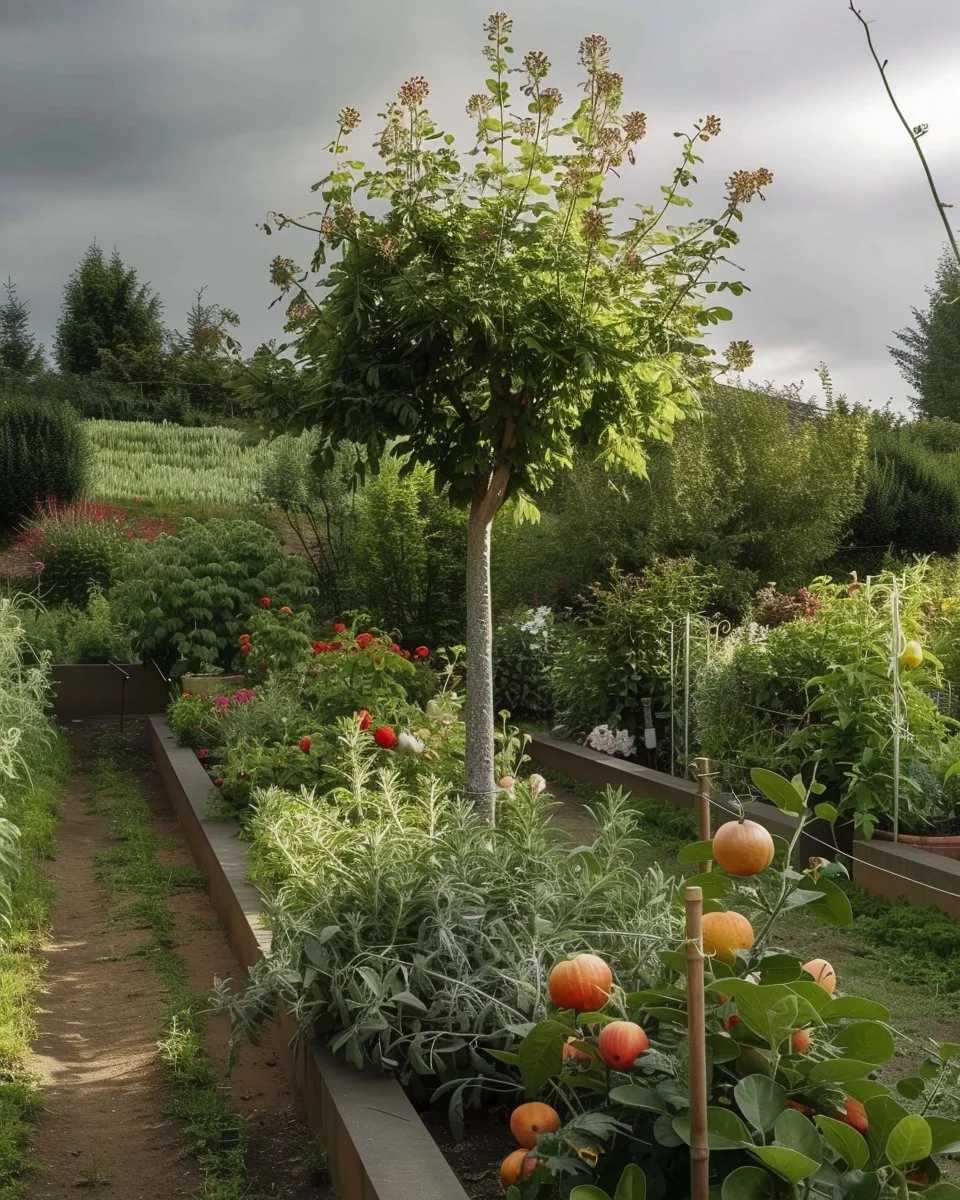
Consider creating a simple pathway that snakes through your trees. Use stones or gravel to delineate space and create a visual journey in your garden. Not only does this add structure, but it also invites guests to engage with each variety of fruit tree you’ve curated.
Companion Planting Strategies
To boost growth and health, apply companion planting strategies by pairing fruit trees with beneficial plants. Herbs like basil and rosemary can thrive around your fruit trees, helping to deter pests while adding lovely scents and additional flavors to your garden. It’s a win-win that promotes a healthy ecosystem.
Edible Landscaping Concepts
Moving beyond aesthetic appeal, let’s delve into the practical benefits of integrating fruit trees into your landscape through edible gardening concepts.
Integrating with Perennials and Annuals
Another engaging way to enhance your garden is by intermingling fruit trees with perennials or annuals. For example, strawberries can be well-placed alongside peaches, creating an edible ground cover that also looks appealing. This tactic not only conserves space but provides diverse food sources right outside your door.
Border Planting Techniques
You might also consider using fruit trees as border plants. A line of dwarf fruit trees can create a stunning edge around your garden or yard, blending beauty with functionality. Imagine your delight as you walk outside to see your fruit trees framing the landscape while providing fresh fruit for seasonal recipes.
Layering and Grouping Strategies
To take the design to the next level, how about some layering and grouping strategies? This technique ensures a well-structured and visually appealing garden.
Choosing the Right Tree Sizes
When selecting fruit trees, consider their mature size for effective placement. Taller varieties such as pear trees can serve as a backdrop to mid-sized trees like apple trees, which can then be fronted by low-growing berry bushes. This layering creates depth and prevents your landscape from feeling flat and uninspired.
Balance Between Flowering and Fruiting Trees
Don’t forget to balance your flowering and fruiting trees. Planting trees primarily for blossoms, such as almond trees, near your fruit-bearing trees can create stunning focal points throughout the year. It’s like combining the best of both worlds in your backyard oasis.
Incorporating Pathways and Seating Areas
Creating spaces for relaxation enhances your garden experience.
Designing Relaxation Spots
Consider adding benches or seating arrangements among the trees. A shaded seating nook under the branches of a fig tree can be the perfect getaway for reading or enjoying a fresh fruit snack.
Utilizing Mulch and Stone for Visual Appeal
Incorporating mulch and stone into your landscape design can also improve its visual appeal. Use crushed stone to define pathways, and layer mulch around your trees to suppress weeds and retain moisture while enhancing aesthetics. Input from nature enhances that tranquil garden feel, welcoming you every day.
Seasonal Care and Maintenance Tips
Just like your plants, your landscaping concept will thrive with proper care. Keep these seasonal tips in mind.
Regularly check your fruit trees for pests and diseases. Applying organic, eco-friendly pest control can keep these threats at bay while ensuring your fruits remain healthy.
Pruning is also essential. Late winter or early spring is the best time to prune most fruit trees. This practice promotes healthy growth and helps you shape your trees for optimal sun exposure.
Finally, always ensure your trees receive adequate water. Depending on your local climate, you may need to adjust your watering schedule to support their growth through warmer months.
Conclusion
Incorporating 19+ Creative Landscaping Ideas with Fruit Trees not only enhances your garden’s visual appeal but also provides delicious, fresh produce right at your fingertips. From choosing the right trees and designing walkways to enjoying the fruits of your labor, each idea can help you create a unique and fruitful landscape. As you embark on your journey to integrate these concepts, remember to experiment, enjoy the process, and, most importantly, have fun in your garden.
FAQs
What are the best fruit trees for small spaces?
Dwarf varieties of apple, peach, and lemon trees are great choices for small spaces and container gardening.
How can I enhance the aesthetic appeal of my fruit trees?
Consider the color of blooms and foliage, select a variety of trees for seasonal interest, and design walkways or seating areas around them.
What are companion plants for fruit trees?
Herbs such as basil, rosemary, or marigolds are excellent companions for fruit trees, deterring pests and encouraging a diverse ecosystem.
When is the best time to prune fruit trees?
Late winter or early spring, before the new growth begins, is the ideal time for pruning most fruit trees.
How often should I water my fruit trees?
Watering needs depend on your climate and soil, but generally, ensure your trees retain adequate moisture, especially during dry spells.