
Introduction
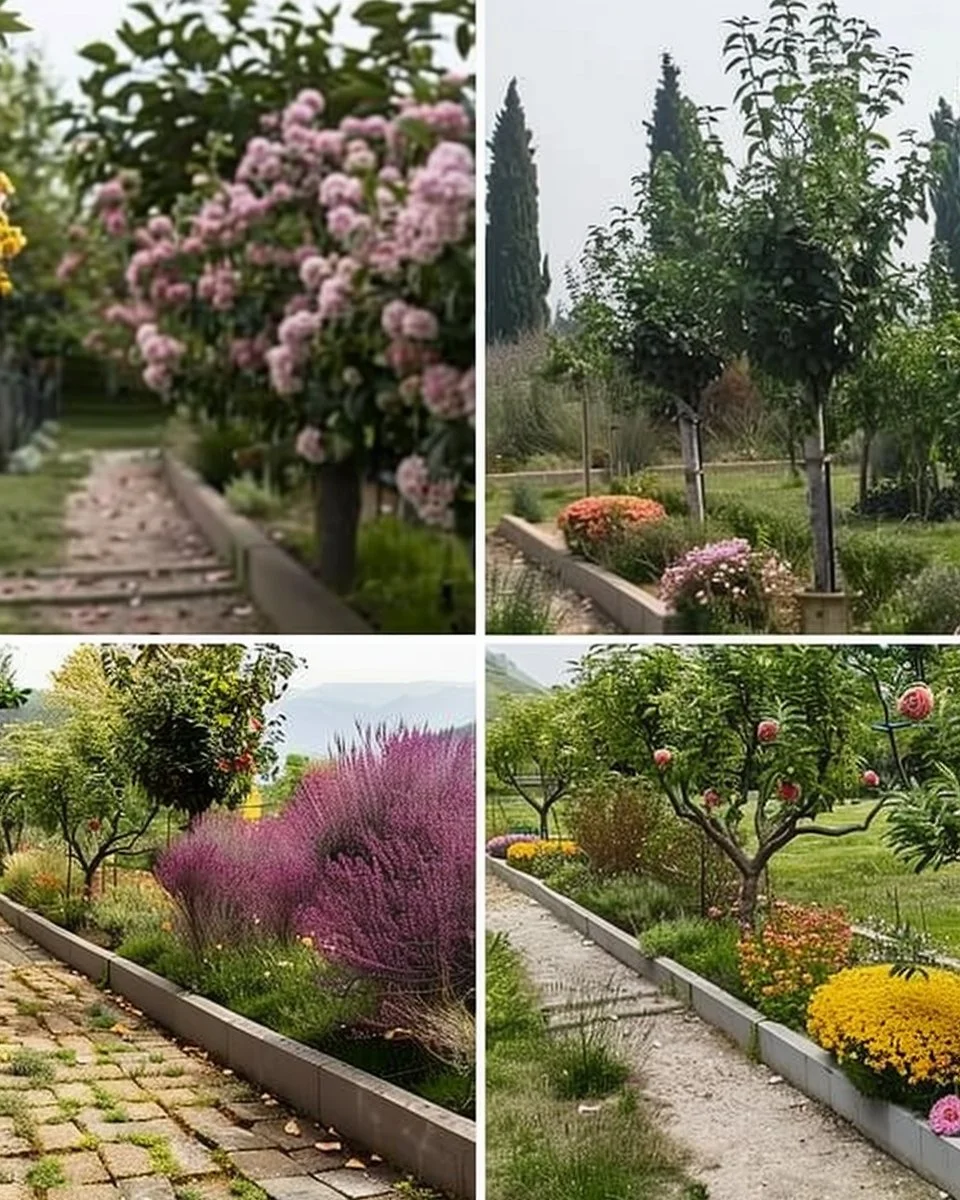
Have you ever strolled through a vibrant orchard, smelling the sweet aroma of fresh fruits? Fruit trees aren’t just a delight for your taste buds; they can also transform your garden into a mesmerizing paradise. With the right layout, you can create a stunning fruit tree garden that looks beautiful throughout the seasons. In this guide, we’ll dive into 14+ Creative Fruit Tree Garden Layout Ideas that will inspire you to design your own fruitful retreat. You’ll learn tips on maximizing space, selecting the right trees, and incorporating aesthetics that harmonize with nature. Let’s get started!
Table of Contents
Creating a Vision for Your Fruit Tree Garden
Choosing a Layout Style
When embarking on your fruit tree garden journey, the first step is to visualize how you want it to come together. There are several layout styles you might consider, such as the classic orchard, a backyard food forest, or even a more modern geometric garden. Each style offers unique benefits. For example, a traditional orchard layout allows for easy access and maintenance, while a food forest mimics natural ecosystems, providing habitat for wildlife and a diverse range of crops. Consider what aligns best with your space and gardening goals.
Planning for Sunlight and Shade
Understanding how sunlight interacts with your garden area is key. Most fruit trees thrive on full sun, which typically means 6-8 hours of direct sunlight each day. Take note of any existing structures or trees that might provide shade and adjust your layout accordingly. Have you noticed how light changes throughout the day? By placing taller trees or structures on the northern edge, you can help younger trees soak up as much sunlight as possible.
Selecting the Right Fruit Trees
Understanding Local Climate
Choosing the right fruit trees starts with understanding your local climate. Some trees may flourish in warmer regions, while others might only thrive in cooler climates. Consult your local agricultural extension office or gardening center for guidance on what types of trees are best suited for your area. Remember, supporting your local ecosystem means selecting native species where possible!
Choosing Companion Plants
Companion planting is another fantastic aspect of your fruit tree garden. Some plants naturally repel pests, while others can enhance the growth of their neighbors. For instance, planting garlic near apple trees can help deter aphids. By considering what plants will coexist harmoniously, you’re not just planting trees; you’re creating a mini-ecosystem that thrives on mutual support.
Designing Your Garden Layout
Utilizing Vertical Space
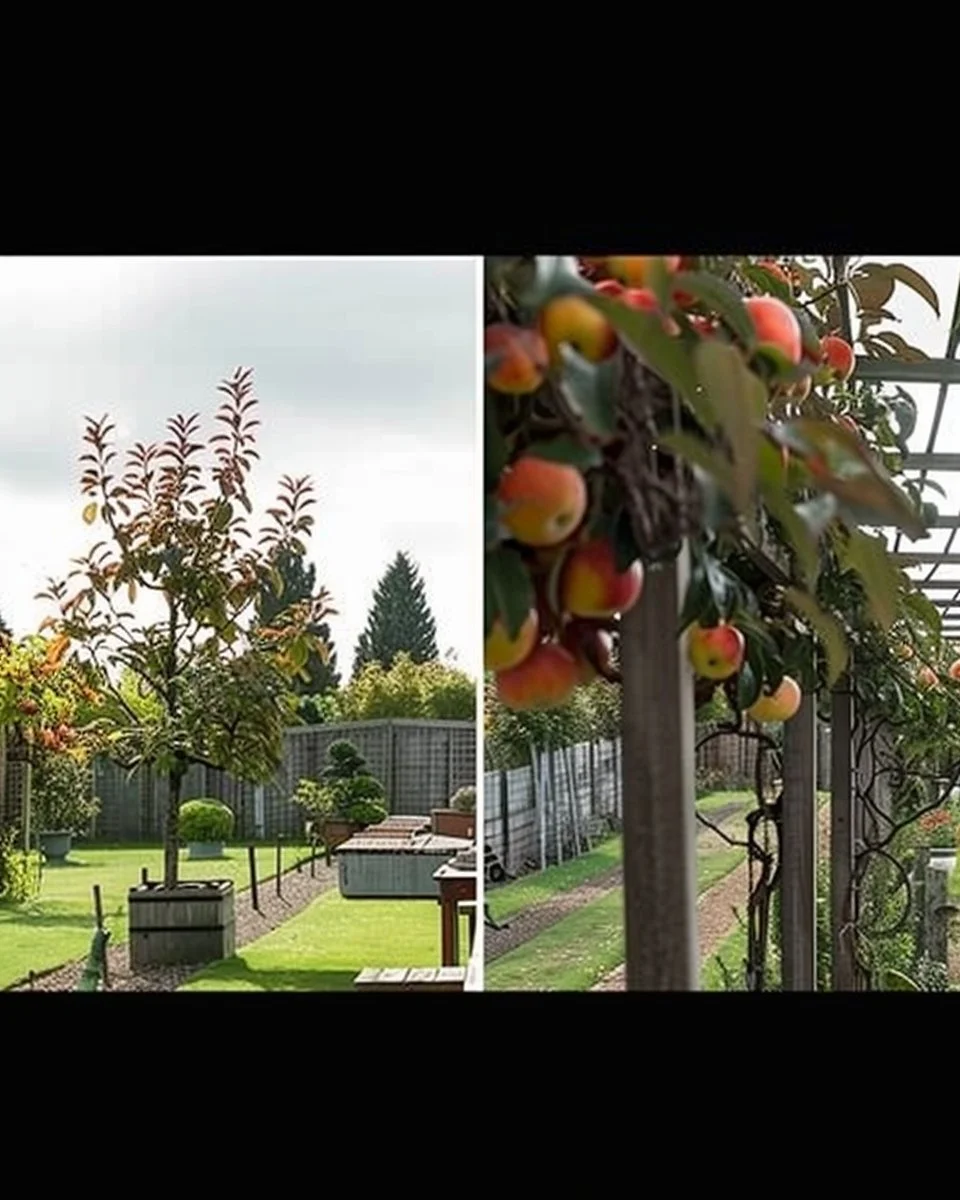
If you’re short on space, don’t fret! Vertical gardening can offer a smart solution. By planting dwarf fruit trees or using trellises for plants like kiwis or grapes, you can maximize your garden’s output without sacrificing aesthetics. These vertical solutions also add layers to your garden, enhancing visual interest.
Creating Pollinator-Friendly Zones
Incorporate pollinator-friendly zones within your fruit tree garden. Plant flowers like lavender and sunflowers along pathways to attract bees and butterflies. These friendly visitors not only beautify your garden but also play a crucial role in the pollination process, ensuring a bountiful harvest.
Tips for Maintenance and Care
Watering Needs
Proper watering is essential for the health of your fruit trees. Regularly check the soil to ensure it’s moist but not waterlogged. Consider installing a drip irrigation system, which delivers water directly to the roots and minimizes waste. Remember, young trees often have different watering needs compared to established ones, so adjust your methods accordingly.
Pruning Strategies
Pruning is crucial for both health and productivity. Regularly removing dead or overcrowded branches lets sunlight in and promotes airflow—this helps fend off diseases. A good rule of thumb is to prune in late winter or early spring before new growth begins. Sharing this maintenance habit with your kids can turn it into an enjoyable family activity!
Aesthetic Elements to Consider
Pathways and Borders
As you lay out your garden, don’t overlook the importance of pathways and borders. These features not only create an inviting atmosphere, but they also help delineate areas for walking, working, and resting. You might use natural stone, wood chips, or even gravel—each choice will affect the overall feel of your garden.
Seasonal Decor Ideas
Adding seasonal decor can bring your fruit tree garden to life throughout the year. Consider colorful pots in spring, harvest-themed decorations in autumn, or even fairy lights to brighten the space during summer nights. By changing your decor, you make your garden a dynamic space that evolves with the seasons.
Unique Layout Inspirations
Raised Beds and Containers
Raised beds and containers are perfect for small spaces or urban gardens. They can also extend your gardening season, as the soil warms up faster in the spring. Consider growing strawberries in hanging baskets, or even dwarf fruit trees in large pots for mobility and ease of maintenance.
Espalier Techniques
Espaliered trees are not only efficient but also stunning. By training trees to grow flat against a wall or support, you can create a beautiful focal point while maximizing space. Imagine ripe apples or pears within reach, their branches beautifully fanned against the backdrop of your home!
Permaculture Principles
Embracing permaculture principles in your garden design can enhance sustainability. Consider using swales to manage water runoff or polyculture to grow a variety of crops in harmony. This approach not only increases biodiversity but also creates a resilient garden that feels vibrant all year round.
Conclusion
Designing your own fruit tree garden can be both a rewarding journey and a delightful destination. With 14+ Creative Fruit Tree Garden Layout Ideas, you can create a space that’s not only productive but also beautiful. By incorporating smart layout choices, selecting the right trees, and paying attention to maintenance, you’ll ensure your garden thrives for years to come. So roll up your sleeves, grab a trowel, and start planting—it’s time to grow something magnificent!
FAQs
What is the best time to plant fruit trees?
The best time to plant fruit trees is in early spring or late fall, when the trees are dormant.
How far apart should fruit trees be planted?
Fruit trees should typically be spaced between 10 to 20 feet apart, depending on the tree’s mature size.
Can I grow fruit trees in pots?
Yes, many fruit trees can thrive in pots, especially dwarf varieties, making them perfect for smaller spaces.
What fruits are easiest to grow in small gardens?
Strawberries, blueberries, and dwarf varieties of apples or pears are great options for small gardens.
How can I attract pollinators to my garden?
Plant nectar-rich flowers and create diverse habitats within your garden to attract bees and other beneficial insects.