
Picture this: You’re strolling down a bustling street filled with shops, each enticing you with the latest gadgets, trendy clothes, and those must-have decor items. It’s exhilarating, isn’t it? But have you ever paused to consider the impact of this consumerist culture? The clash of consumerism v climate change – John Holcroft reveals a significant tension in our everyday lives. This article aims to unpack that friction, exploring how our buying habits contribute to climate change and what you can do about it. You’ll learn valuable insights and practical steps to balance your desires with the health of our planet.
Table of Contents
Understanding Consumerism and Climate Change
The Roots of Consumerism
Consumerism, at its core, is the social and economic ideology that encourages the acquisition of goods and services. It began to flourish during the Industrial Revolution, as production capabilities soared and the middle class expanded. This culture prioritizes material wealth and consumption as a means of achieving happiness, but it often marginalizes the environmental costs.
The Science of Climate Change
Understanding climate change requires a glance at the science behind it. The burning of fossil fuels, deforestation, and unsustainable agriculture contribute significantly to greenhouse gas emissions. This leads to global warming, which triggers extreme weather events, rising sea levels, and biodiversity loss. Climate change is not just an environmental issue; it’s fundamentally connected to how we consume.
The Intersection of Consumerism and Climate Change
The Environmental Cost of Consumption
Have you ever considered where your purchases lead? Take, for example, the fashion industry, notorious for its wastefulness. The process of creating clothing consumes vast amounts of water and electricity, while synthetic fibers shed microplastics into the ocean. The more we consume, the greater our environmental footprint becomes. John Holcroft’s works vividly illustrate this impact, revealing the ironic disconnect between excessive consumption and its toll on nature.
Social and Economic Implications
Consumerism doesn’t only harm the environment; it also perpetuates social inequalities. Wealthier nations often exploit resources from poorer regions, leading to environmental degradation in those communities while enriching themselves. These disparities heighten societal tensions and make the conversation about consumerism v climate change – John Holcroft even more critical.
Visual Storytelling: John Holcroft’s Art
Analyzing Holcroft’s Key Works
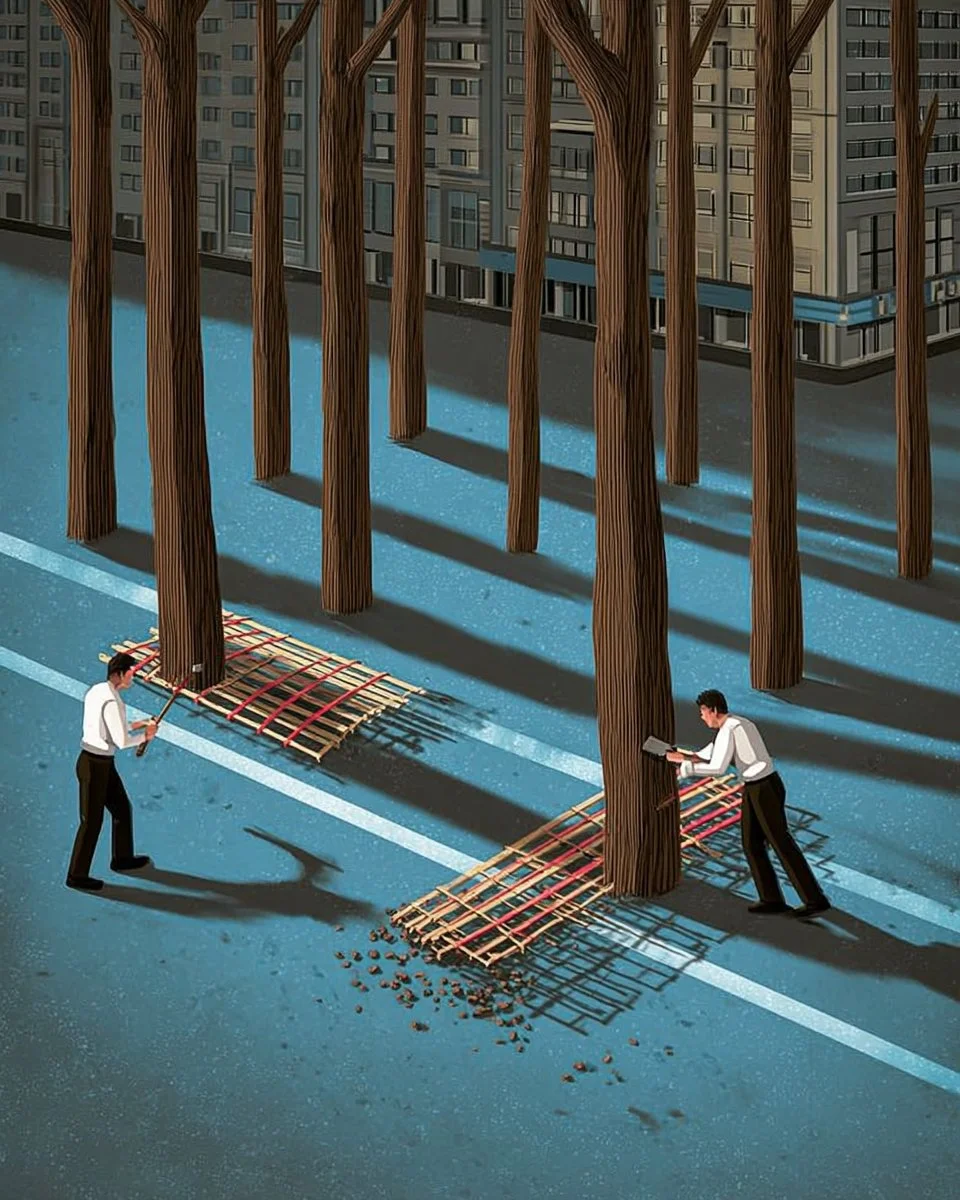
John Holcroft, a contemporary artist, employs digital collages to critique modern consumerism. His artwork combines whimsical imagery with stark truths, prompting viewers to reflect on the absurdities of our consumption habits. For instance, a piece may juxtapose abundance with environmental decay, encapsulating the paradox many experience in today’s society.
The Message Behind the Art
Holcroft’s art often serves as a discussion starter. By portraying the extremes of consumerism, he invites audiences to confront difficult truths about their own habits. The emotional resonance of his work makes the abstract concept of consumerism v climate change – John Holcroft tangible and relatable.
Changing Consumer Habits
Sustainable Alternatives
As the awareness of climate change grows, so does the demand for sustainable alternatives. There’s an increasing number of eco-friendly products entering the market. From bamboo toothbrushes to ethically sourced clothing, consumers now have access to options that minimize their ecological footprint.
Minimalism as a Lifestyle
Have you ever wondered how less could be more? Minimalism is gaining traction as a lifestyle choice that advocates for intentional living through less consumption. This philosophy encourages individuals to focus on quality over quantity, leading to reduced waste and a simpler life.
Practical Steps to Combat Consumerism
Mindful Purchasing
One effective way to combat rampant consumerism is to practice mindful purchasing. Before making a purchase, ask yourself whether you need the item, how it was made, and its environmental impact. This simple act of reflection can lead to more conscious buying habits.
Community Engagement
Engaging with your community can also foster sustainable practices. Participate in local swaps or support businesses that prioritize ethical production. Not only does this build community ties, but it also reduces waste and promotes a circular economy.
The Future of Consumerism and Climate Change
Innovations in Sustainable Practices
The future holds promise as innovators develop solutions to mitigate the effects of consumerism on climate change. Companies are investing in sustainable materials, and research is underway into how we can recycle products more effectively. This shift represents a hopeful move towards a greener future.
The Role of Policy and Education
Finally, policymakers and educators play crucial roles in shifting the narrative around consumerism and climate change. By implementing stricter regulations on waste production and promoting environmental education, we can cultivate a culture that prioritizes sustainability over consumption.
Conclusion
As we navigate the complexities of consumerism v climate change – John Holcroft, it’s essential to recognize our individual roles in this narrative. By understanding the implications of our purchasing choices and embracing sustainability, we can forge a brighter future. Let’s commit to being mindful consumers, not just for ourselves but for the planet. Every little step counts, and together, we can make a meaningful difference.
FAQs
What is consumerism?
Consumerism is the cultural ideology that promotes the acquisition of goods and services, often emphasizing material wealth as a path to happiness.
How does consumerism contribute to climate change?
The production and disposal of consumer goods lead to greenhouse gas emissions, deforestation, and pollution, exacerbating climate change.
What are some eco-friendly alternatives?
Options include reusable bags, biodegradable products, and sustainably sourced clothing, among others.
How can I practice mindful purchasing?
Before buying, consider if you truly need the item, its environmental impact, and whether it’s ethically sourced.
What role does art play in raising awareness about these issues?
Artists like John Holcroft create impactful imagery that captures the paradox of consumerism and its environmental toll, prompting important discussions.