
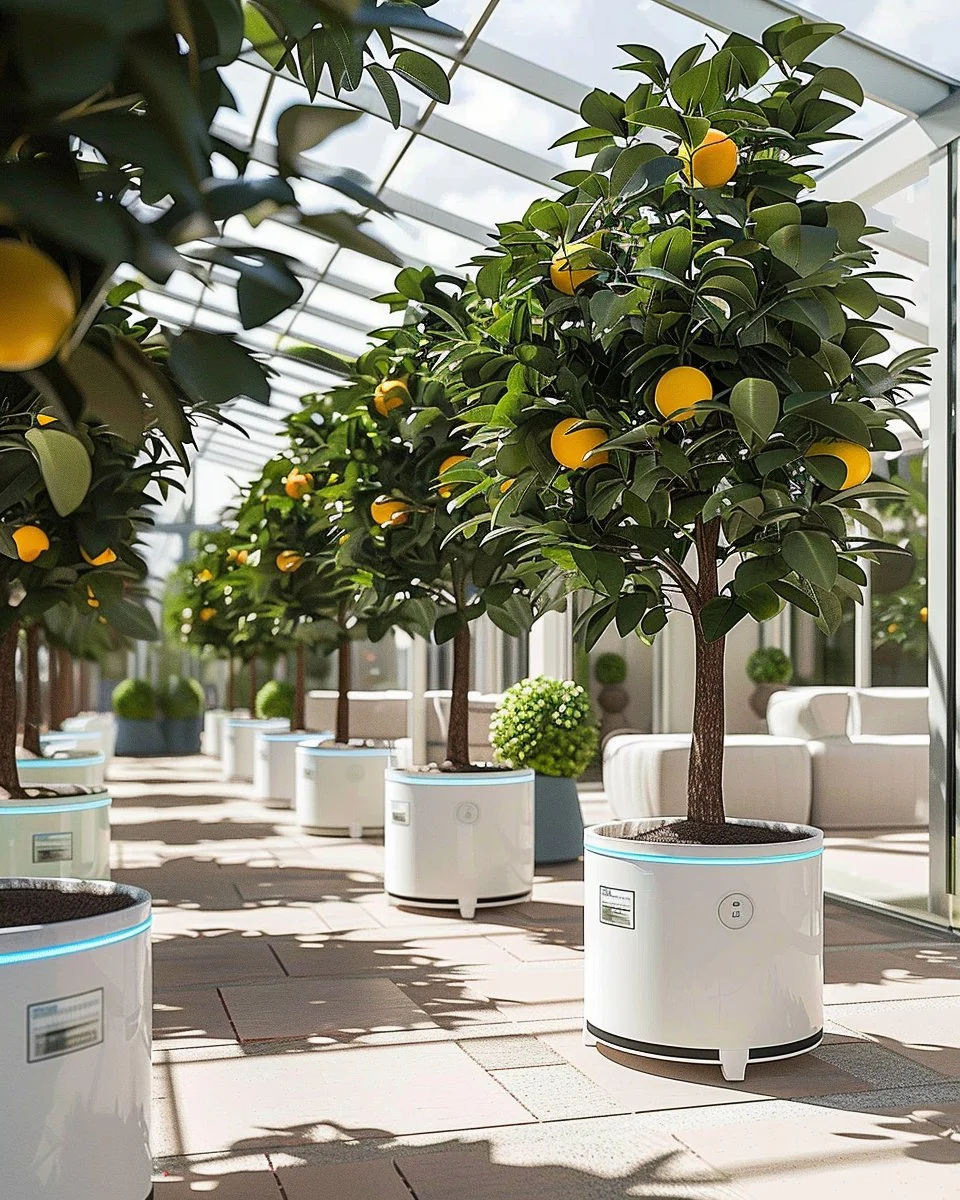
Introduction
Imagine stepping into a space where the air is filled with the sweet, zesty aroma of fresh citrus fruits. Not only does a Citrus Garden in a Conservatory 🍋 add beauty and vibrancy to your home, but it also provides you with fresh, juicy fruits right at your fingertips. In this article, I’ll share some essential tips to help you create your own indoor oasis, regardless of your gardening experience. Whether you’re a seasoned green thumb or just starting out, these insights will transform your conservatory into a thriving citrus paradise.
Table of Contents
Choosing the Right Citrus Varieties
Citrus trees are available in various types, making it crucial to select species that thrive indoors. Depending on the size of your conservatory and your taste preference, some varieties may be more suitable than others.
Popular Citrus Plants for Indoor Growing
Some of the best choices for your Citrus Garden in a Conservatory 🍋 include:
- Calamondin Orange: A small, ornamental tree that produces tart fruits, perfect for culinary uses.
- Kaffir Lime: Known for its aromatic leaves used in cooking and cocktails, providing a unique flair.
- Meiwa Kumquat: These tiny fruits are sweet and can be eaten whole, skin and all, making them a fun treat.
- Improved Meyer Lemon: A favorite among gardeners, this tree provides fragrant blooms and sweet lemons.
Understanding Growth Requirements
Each variety has its own unique needs regarding growth conditions. It’s essential to research these requirements to ensure your chosen plants will flourish in your conservatory.
Optimal Conditions for a Citrus Garden
Creating the perfect environment is key to a successful Citrus Garden in a Conservatory 🍋. Citrus plants thrive in specific temperature ranges and lighting conditions.
Light and Temperature Needs
Citrus plants need bright, direct sunlight for at least 8 hours a day. If your conservatory lacks natural light, consider using grow lights to supplement. Ideal temperatures for most citrus varieties hover between 65°F and 85°F. Extremes on either end can cause stress.
Humidity Considerations
Humidity plays a significant role, as citrus plants prefer a humidity level between 50% and 70%. If your conservatory is dry, especially in winter, consider using a humidifier or pebble trays filled with water to maintain moisture levels.
Soil and Fertilization Tips
The right soil and fertilization practices can make a world of difference in your citrus growth.
Ideal Soil Mix for Citrus
Citrus plants prefer well-draining soil to prevent root rot. A mix of potting soil, coarse sand or perlite, and compost will provide excellent drainage while retaining necessary nutrients.
Feeding Your Citrus Plants
Citrus trees benefit from regular feeding. An all-purpose fertilizer with a balanced N-P-K ratio (nitrogen, phosphorus, potassium) is ideal. Look for formulations specially designed for citrus or fruit trees, providing crucial micronutrients that support growth and fruiting.
Best Watering Practices for Success
Watering can often be a tricky aspect of indoor gardening. When it comes to your Citrus Garden in a Conservatory 🍋, getting it right is critical.
Signs of Overwatering and Underwatering
Be mindful of your plants’ signs. Yellowing leaves can indicate overwatering, while browning leaf tips may signal underwatering. It’s crucial to assess the soil moisture before watering—using your finger to check just below the surface can help determine needs.
How Often to Water Your Citrus Plants
As a general guideline, water your citrus trees once the top inch of soil feels dry. During the growing season, this might mean watering more often, while in the dormant winter months, you should decrease the frequency.
Pest Control and Disease Prevention
Keeping your citrus plants healthy also involves vigilance against pests and diseases.
Common Pests to Watch For
Aphids, scale insects, and spider mites are common pests that can attack citrus plants. Regularly inspecting your plants helps in early detection, which is crucial for effective control.
Maintaining Plant Health
To fortify your plants, ensure good air circulation, avoid crowding, and keep your trimming practices consistent. Cleaning your plants with a damp cloth helps prevent buildup and keeps pests at bay.
Harvesting and Enjoying Your Citrus Fruits
The culmination of your efforts is harvesting the fruits of your labor. Enjoying the citrus you grow is incredibly rewarding and delicious!
When and How to Harvest
Generally, citrus fruits are ready to be harvested when they attain their full size and have a vibrant color. Gently twist or cut the fruit from the stem to avoid damaging the tree. If you’re unsure, doing a taste test is never a bad idea!
Delicious Ways to Use Your Citrus
What should you do with your freshly picked citrus? Consider whipping up homemade lemon curd, adding orange slices to salads, or using whole kumquats in desserts for an unexpected twist. The options are endless, and each bite will remind you of the joy you found in growing them.
Conclusion
Creating a Citrus Garden in a Conservatory 🍋 is not just about the visual appeal or the delicious fruits you’ll get; it’s about embracing the joy of gardening and connecting with nature. With the right knowledge, patience, and care, you can enjoy the bright blossoms and fragrant fruits that a citrus garden brings. Remember, gardening is a journey, and each step taken is a step closer to your indoor Eden. Don’t hesitate to experiment and find what works best for your conservatory and climate conditions. Happy gardening!
FAQs
What citrus trees grow best in containers?
The Improved Meyer Lemon and Calamondin Orange are excellent choices for container growth due to their smaller size.
How can I increase humidity for my citrus plants?
Using a humidifier, placing a tray of water with pebbles under the pots, or grouping plants together can help boost humidity.
Do I need to prune my citrus trees?
Yes, pruning helps maintain shape and encourages healthy growth. Focus on removing dead or crossing branches.
Can I grow citrus plants year-round in my conservatory?
Absolutely! As long as you provide the right light and temperature, your citrus plants can thrive indoors year-round.
What’s the best way to clean my citrus plants?
Gently wipe the leaves with a damp cloth to remove dust and pests, promoting better photosynthesis.