Introduction
If you’ve ever strolled through a charming garden or a picturesque orchard, you might have noticed the extraordinary beauty of fruit trees trained against a wall or fence, their limbs elegantly structured like living art. This delightful technique, known as espalier, not only saves space but also creates a stunning visual impact. Choosing the Right Fruit Trees For Espalier can feel a bit daunting, but it doesn’t have to be! In this article, we’ll explore everything you need to know to make informed decisions and create your own stunning landscape of trained fruit trees.
You’ll learn how to choose the best varieties suited for your climate, their growth habits, ideal pruning techniques, and ultimately, how to maximize your space with these lovely trees. So, grab a cup of tea, and let’s dive into the world of espalier fruit trees!
Table of Contents
How Espalier Works
Understanding the Technique
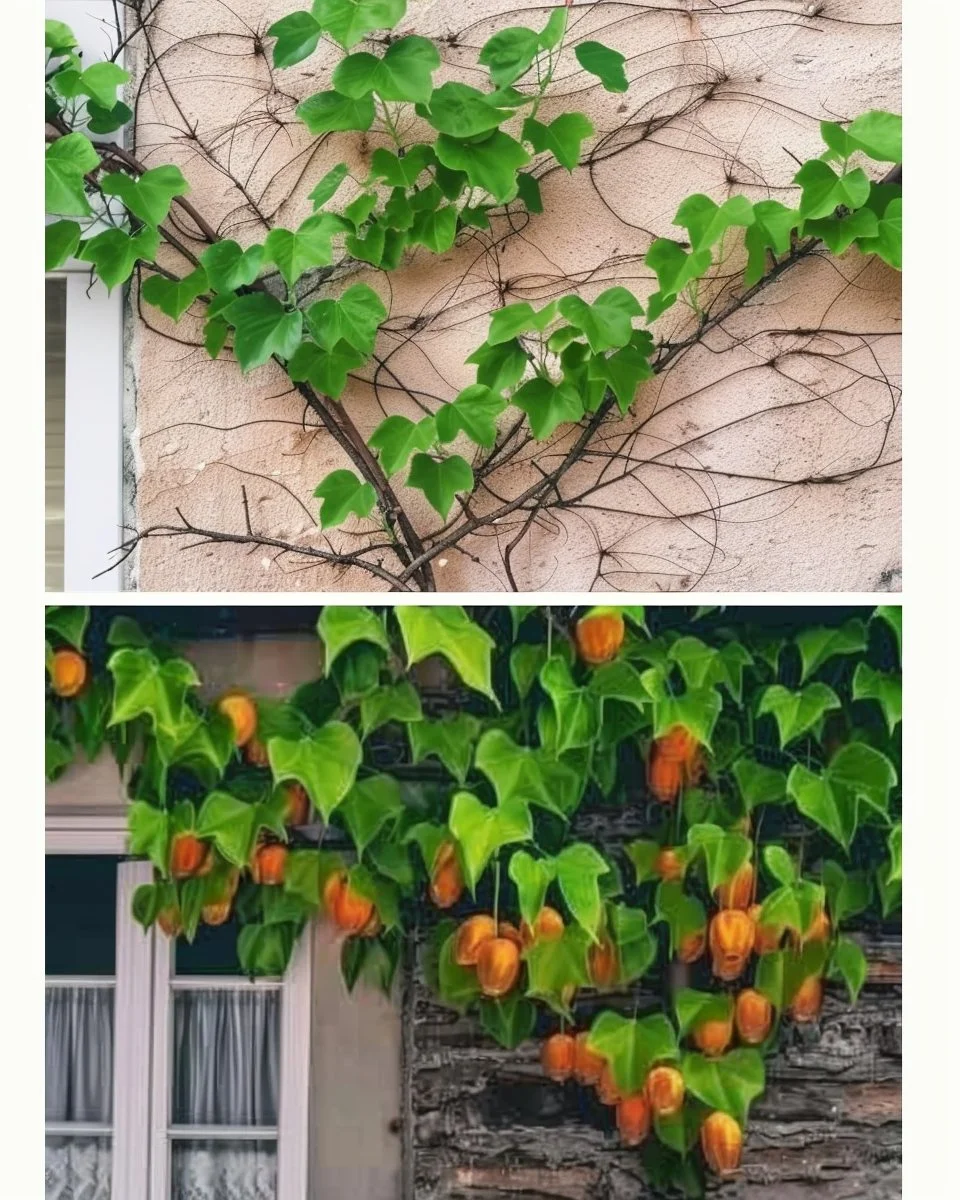
Espalier is the art of training trees to grow flat against a structure, which can be both decorative and practical. It involves strategically pruning and tying the branches to a grid or support structure, allowing you to maximize vertical space while creating a visually captivating design.
Imagine a wall adorned with luscious, neatly arranged branches laden with fruit—it’s not just for aesthetics! By guiding the growth of your trees, you can optimize exposure to sunlight and improve air circulation, which is essential for fruit production.
Benefits of Espalier
The benefits of espalier extend beyond mere appearance. First, it maximizes space, making it ideal for small gardens or urban settings. Second, the controlled growth can result in a more convenient harvest, as the fruit is often within easy reach. Lastly, espaliers can create microclimates that offer protection to the tree while enhancing your outdoor living space.
Selecting the Right Location
Sunlight Requirements
Choosing the Right Fruit Trees For Espalier begins with selecting the right location. Most fruit trees thrive in full sun, so aim for a spot that receives at least six to eight hours of direct sunlight daily. Take time to observe how sunlight moves across your space throughout the day before settling on the perfect spot.
Soil Preparation
Good soil is essential for healthy trees. Test your soil’s pH, which should ideally be between 6.0 and 7.0 for most fruit varieties. You can amend your soil with compost or well-rotted manure to improve its structure and nutrient content, creating an inviting environment for your trees.
Ideal Fruit Tree Varieties
Apples and Pears
When it comes to Choosing the Right Fruit Trees For Espalier, apples and pears are classic choices. They adapt well to this style of growth and produce abundant fruit. Dwarf and semi-dwarf varieties are particularly suited for espalier, allowing for easy maintenance and a manageable tree size.
Imagine planting a row of apple trees trained into a fan shape against your fence, providing not just shade but attracting pollinators to your garden in the spring.
Figs and Cherries
Figs, with their stunning large leaves and delicious fruit, are another excellent choice for espalier. They thrive in warm climates and can lend a Mediterranean feel to your garden. Likewise, cherry trees offer beautiful blossoms in spring, followed by sweet cherries, making them a fabulous option for trained growth.
Citrus Trees
If you live in a warmer region, consider citrus trees like lemon or orange. Their fragrant blossoms and vibrant fruits can transform any outdoor space into an enchanting oasis, making them perfect for espalier. Plus, imagine reaching out to pluck a ripe orange right from the wall!
Essential Tools and Materials
Pruning Tools
Investing in the right tools is crucial for successful espalier. Sharp, clean pruning shears will be your best friends. Look for ones that feel comfortable in your hands—a good pair can make all the difference! You may also want a lopper for thicker branches and a saw for any bigger cuts.
Support Structures
Creating the right framework for your trees is vital. You’ll need sturdy support such as trellis systems or wires strung along a wall. The support should withstand the weight of the tree as it grows; consider wood, metal, or even a combination for durability that complements your garden style.
Pruning and Training Techniques
Initial Training
Training your trees begins early. In their first year, select a leader branch to guide the tree’s shape, and prune away competing branches. Using ties, gently secure branches to the support structure in your desired pattern. Don’t rush the process—allow your trees to establish themselves before aggressive training.
Ongoing Maintenance
After the initial training, regular maintenance is key. During the growing season, keep an eye on new growth and thin out any overly vigorous shoots. Pruning in late winter or early spring will help maintain the shape and health of your tree.
Common Mistakes to Avoid
Over-Pruning
One common mistake in espaliers is over-pruning, which can stunt growth and reduce fruit production. Remember, less is often more! Focus on removing dead or crossing branches rather than excessive shaping each year.
Ignoring Plant Needs
Espalier requires ongoing attention to your tree’s needs. Ensure adequate water, especially during dry spells, and pay attention to signs of nutrient deficiency. It’s also essential to monitor for pests and diseases—early detection can make all the difference in the health of your trees.
Conclusion
Choosing the Right Fruit Trees For Espalier is an exciting journey that merges aesthetics with practicality. By carefully selecting tree varieties, ensuring optimal growing conditions, and applying the right techniques, you’ll create a stunning and fruitful display that enhances your outdoor space for years to come. Whether you dream of a vibrant fruit wall, a charming trellis of trees, or simply want to make the most out of limited space, espaliers can impress and delight.
Start small, perhaps with a single tree, and remember to enjoy the process. You’re not just growing fruit; you’re cultivating a piece of living art that showcases beauty and bounty alike.
FAQs
What is espalier?
Espalier is the technique of training trees to grow flat against a structure, allowing for space-saving designs and aesthetics.
Which fruit trees are best for espalier?
Apples, pears, figs, cherries, and citrus trees are among the best options for espalier, adapting well to this training method.
How do I train my trees for espalier?
Start by selecting a leader branch, pruning to shape the tree, and securing it to a support structure with ties.
When should I prune my espalier trees?
Pruning should occur in late winter or early spring before the growth season begins to maintain the desired shape and encourage healthy growth.
Can I grow espaliers in containers?
Yes! Dwarf varieties of fruit trees can thrive in containers, making it easy to manage size and mobility while creating a beautiful espalier display.