

Introduction
Have you ever walked past a beautifully blooming garden and wondered how anyone can maintain such a lush paradise? If you’re not an avid gardener, the thought of creating a vibrant garden can be daunting. But there’s no need to worry! With the Beginner-Friendly 3-Tier Cottage Garden Plan for Non-Gardeners, you can transform your outdoor space into a stunning sanctuary without feeling overwhelmed. This plan simplifies gardening into manageable steps, making it perfect for those who have little to no experience in gardening.
In this guide, you will discover the essential elements of this unique garden plan, how to select the right plants, and tips for maintenance. By the end, you’ll be ready to cultivate a picturesque cottage garden that enhances your home and brings you joy.
Table of Contents
Garden Design Basics
A successful garden starts with understanding its structure and style. With the 3-tier design, you create layers that not only look appealing but also work in harmony with the space around you.
Understanding the 3-Tier Structure
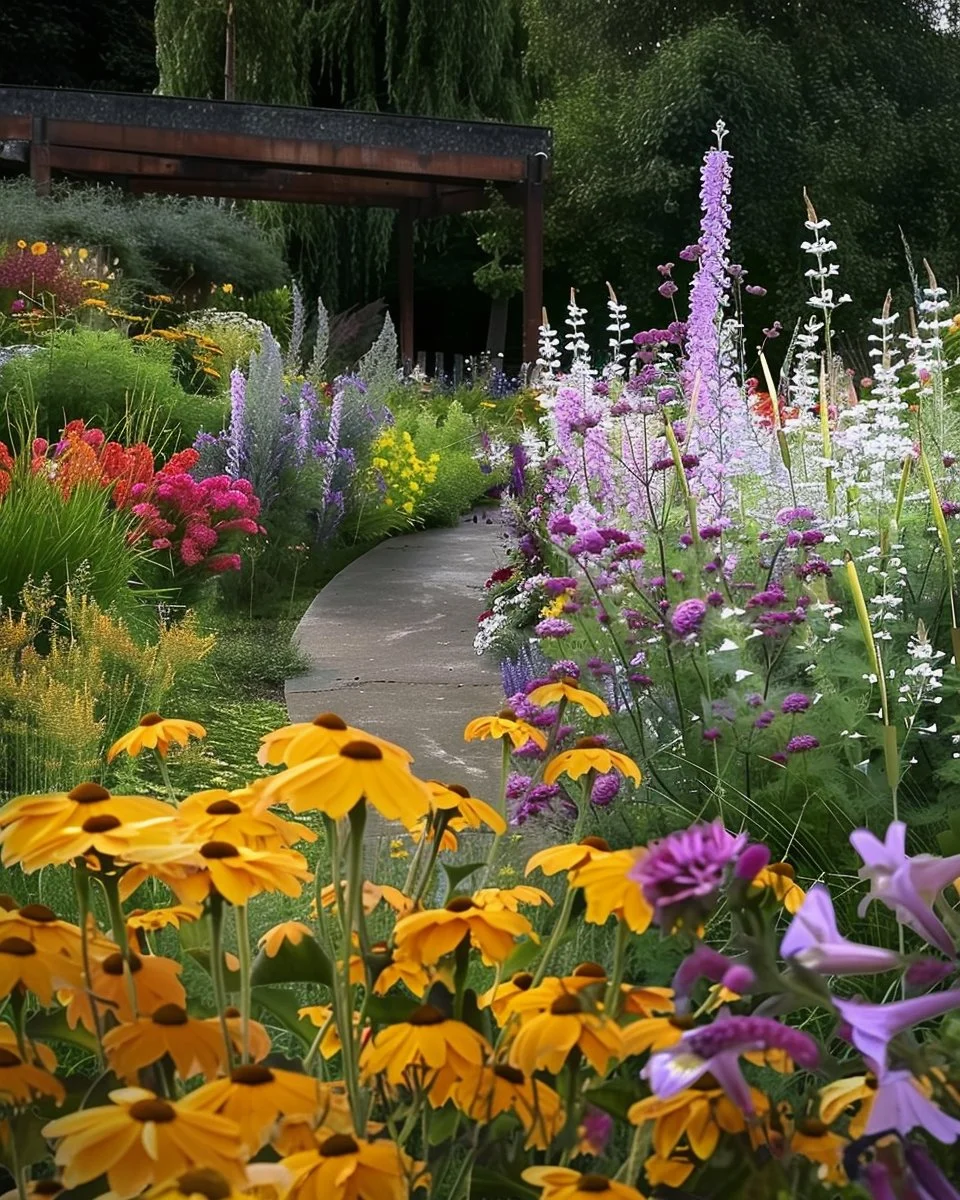
The concept of a 3-tier garden involves arranging plants in three distinct layers—typically the foreground, middle ground, and background. This vertical approach allows you to maximize space and create a visually interesting garden. The lowest tier will feature shorter plants, followed by medium-height blooms in the center, and finally taller plants or trellises at the back.
When my neighbor set out to build his cottage garden last year, he struggled with space limitations—just like many of us. By utilizing the 3-tier structure, he not only managed to fit in a variety of plants but also created a stunning focal point that captured the attention of passersby.
Key Elements of Cottage Gardens
Cottage gardens are celebrated for their carefree, bustling nature. This style leans on a variety of colors and textures, creating a welcoming facade. Essential elements include:
- Diverse Plant Life: Incorporate a mix of flowers, herbs, and even vegetables.
- Natural Pathways: Use gravel, stepping stones, or timber to create charming walkways.
- Rustic Décor: Consider adding garden ornaments, vintage containers, or trellising for climbing plants.
As you embark on your journey, remember that the goal is to create a space that feels inviting and alive, mirroring the essence of nature.
Plant Selection Tips
The plant selection process can feel overwhelming, especially with so many options available. Not to worry! Below are some straightforward tips to guide your choices.
Choosing the Right Flowers
It’s crucial to select flowers that are not only beautiful but also suited to your local climate. Aim for a combination of annuals and perennials to ensure continual growth and blooming throughout the seasons. Some great beginner-friendly options include:
- Marigolds: Bright and resilient, perfect for the front tier.
- Coneflowers: Attractive and hardy, they work well in the middle tier.
- Sunflowers: Towering and cheerful, ideal for the back tier.
Incorporating Foliage
While colorful blooms are essential, the right foliage will provide texture and greenery. Ferns, hostas, and ornamental grasses can impart an air of elegance to your garden while creating a diverse ecosystem for beneficial insects.
Seasonal Considerations
When planning your garden, consider how each plant performs in different seasons. Some plants thrive in summer, while others may be better suited for spring or fall. This knowledge will ensure your garden looks vibrant year-round, which is key to the success of your Beginner-Friendly 3-Tier Cottage Garden Plan for Non-Gardeners.
Planning Your Garden Layout
After selecting your plants, it’s time to create an effective layout that maximizes the beauty and functionality of your space.
Using Vertical Space
If you’re working with limited ground space, don’t overlook vertical gardening! Trellises and arbors can support climbing plants like peas, beans, or cucumbers, adding dimension and color to your garden while also enhancing your harvest.
Seasonal Planting Strategies
To keep your garden lush and vibrant, consider staggered planting. For instance, you might plant early bloomers in the spring, followed by mid-summer varieties, and finishing off with late bloomers for fall. This method ensures that your garden is continually alive with color and growth.
Practical Maintenance Advice
Gardening is not just about planting; it also requires ongoing care to keep your plants thriving.
Watering and Fertilizing Tips
As a beginner, it’s essential to establish a simple watering routine. A general rule of thumb is to water deeply but less frequently to encourage deep root growth. Remember, it’s better to err on the side of underwatering than overwatering, especially early on.
Additionally, consider using organic fertilizers to nourish your plants naturally. Compost is an excellent option—it’s eco-friendly and enriches the soil.
Dealing with Pests Naturally
Every gardener faces pest challenges. Rather than reaching for chemical solutions, consider natural alternatives like diatomaceous earth or introducing beneficial insects like ladybugs to help keep pest numbers down.
Troubleshooting Common Issues
No garden is without its challenges. Here are several common issues you might encounter and how to address them.
Identifying and Fixing Plant Problems
Should you notice wilting or discoloration, take a moment to assess potential issues such as poor drainage or insufficient sunlight. Often, relocating a struggling plant to a more suitable environment makes all the difference.
Adjusting Your Plan Through Seasons
As seasons change, so do your gardening needs. For instance, once the summer heat fades, you might want to replace spent annuals with fall-friendly blooms, maintaining your garden’s vibrancy throughout the year.
Final Thoughts on Your Cottage Garden Journey
Creating your cottage garden is more than just a gardening endeavor—it’s a journey of discovery and creativity. Celebrate your milestones, big or small, whether it’s the first bloom you admire or the perfect arrangement you’ve managed to design.
Remember, gardening is as much about the process as it is about the product. Embrace the opportunity to learn and grow, as both your plants and gardening skills flourish.
FAQs
What Is a Cottage Garden?
A cottage garden is a traditional style that mixes flowers, plants, and vegetables in a charming, somewhat unstructured design. It’s designed to be overgrown and vibrant, creating a natural, welcoming atmosphere.
Can Beginners Really Create a 3-Tier Garden?
Absolutely! The Beginner-Friendly 3-Tier Cottage Garden Plan for Non-Gardeners is specifically designed to be manageable and enjoyable for anyone, regardless of experience.
How Do I Choose the Right Plants for My Zone?
Research your local climate zone using the USDA Plant Hardiness Zone Map. It gives vital information on what plants will thrive in your region.
How Often Should I Water My Garden?
Most gardens benefit from about an inch of water per week. The best practice is to water deeply but less frequently to encourage the plants to develop deep roots.
What Are Some Good Companion Plants?
Companion planting can enhance growth and deter pests. For example, marigolds repel certain insects, while basil helps improve the flavor of nearby tomatoes.