
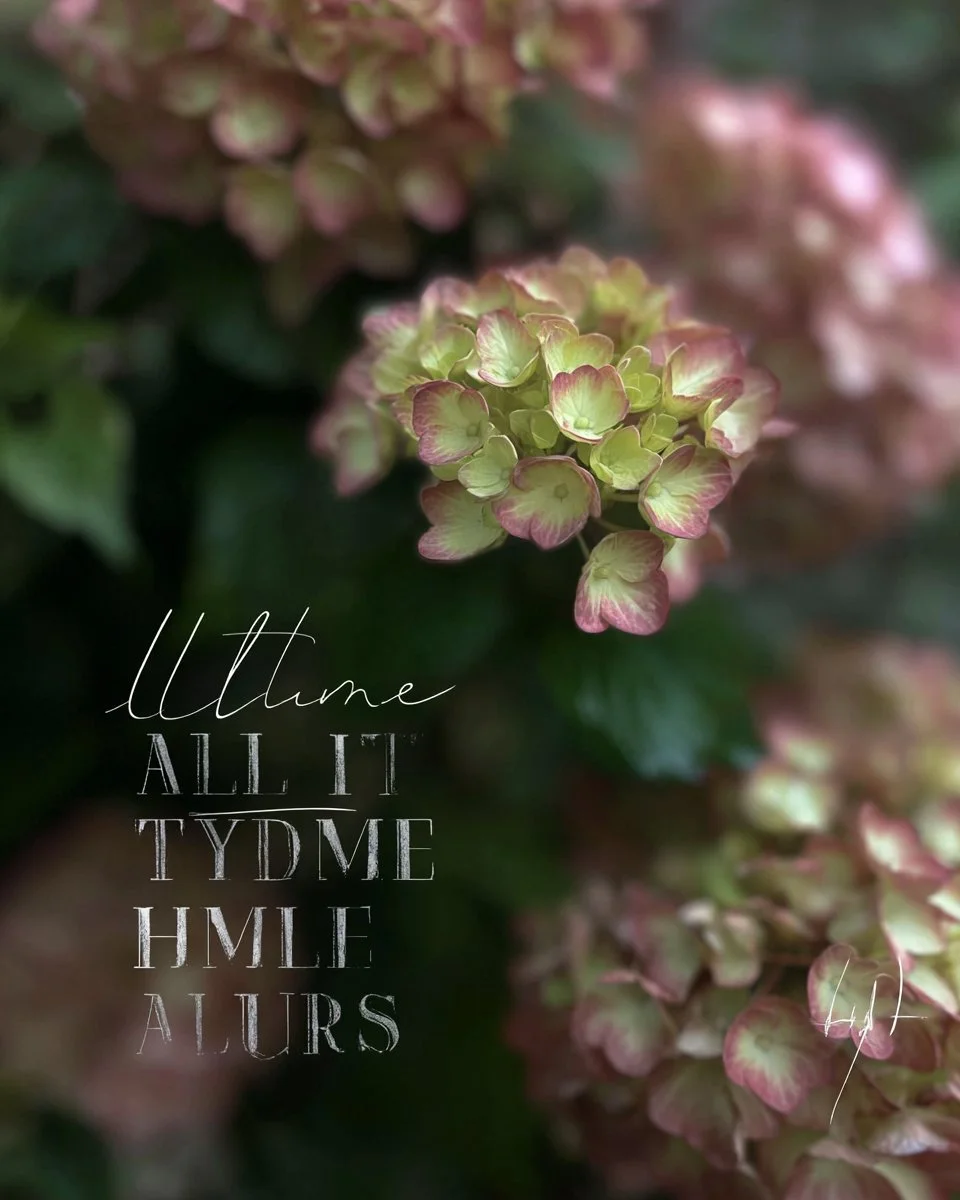
If you’ve ever strolled through a garden in summer, you may have noticed an eye-catching plant that stops you in your tracks—the Little Lime Hydrangea. This stunning shrub, part of the hydrangea family, is not just beautiful but incredibly versatile and easy to grow. In this guide, you’ll learn all about LITTLE LIME Hydrangeas – so gorgeous in the landscape! From their unique growth habits to tips for maximizing their beauty, you’ll soon understand why they’re a favorite among garden enthusiasts.
Table of Contents
What Are LITTLE LIME Hydrangeas?
LITTLE LIME Hydrangeas are a compact version of the popular Limelight Hydrangea. They are renowned for their luscious, lime green blooms that transition to blush pink as they mature, offering breathtaking displays throughout the summer months. These plants typically reach a height of around 3-5 feet, making them ideal for smaller spaces or even container gardening. What makes them particularly appealing is their unique ability to thrive in various environments, from sunny spots to partially shaded areas.
Growing Conditions for LITTLE LIME Hydrangeas
To ensure your LITTLE LIME Hydrangeas flourish, it’s essential to provide them with the right growing conditions.
Soil Requirements
These hydrangeas prefer well-draining soil with a slightly acidic to neutral pH level (5.8 to 7.0). Adding organic matter like compost can improve soil structure and nutrient content. If your garden soil is heavy clay or sandy, consider amending it to help retain moisture while also facilitating drainage.
Light Needs
LITTLE LIME Hydrangeas thrive best in full sun to partial shade. Ideally, they should receive at least 6 hours of sunlight per day. However, in particularly hot climates, providing afternoon shade helps protect the plant from scorching and maintains healthy blooms.
Watering Guidelines
Your LITTLE LIME Hydrangeas will need regular watering, especially during the first growing season as they establish their root systems. Aim for about 1 inch of water each week, either through rainfall or supplemental watering. Be cautious, though—overwatering can lead to root rot, so always check the soil moisture before watering. Using mulch around the base can help retain soil moisture and suppress weeds.
Pruning and Maintenance
To keep your hydrangeas healthy and looking their best, regular pruning and maintenance are vital.
Best Times to Prune
The best time to prune LITTLE LIME Hydrangeas is in late winter to early spring, just before new growth begins. This timing allows you to get rid of dead or damaged wood while encouraging vigorous new growth. Light pruning can also be done after the blooms have faded in the fall to maintain shape and encourage more blooms the following season.
Fertilizing Your Hydrangeas
Fertilizing helps to promote lush growth and blooming. Use a slow-release, balanced fertilizer in early spring when you see new growth. Avoid high nitrogen fertilizers, as these can lead to a lot of foliage with fewer blooms. A hydrangea-specific or balanced fertilizer will often yield the best results.
Landscape Ideas with LITTLE LIME Hydrangeas
Incorporating LITTLE LIME Hydrangeas into your landscape can elevate your garden’s aesthetic significantly.
Companion Plants
Consider pairing your LITTLE LIME Hydrangeas with plants like hostas and ferns for a layered look, or you could combine them with daylilies and coneflowers for a vibrant, colorful border. The contrasting textures and shapes create a dynamic landscape that’s visually appealing.
Seasonal Interest
These hydrangeas provide stunning interest from spring through fall. In addition to their colorful blooms, their shrubby form adds structure to the garden, while the fall foliage can transition to beautiful autumn hues. You can even cut the flowers for lovely arrangements inside, allowing you to enjoy their beauty even longer.
Common Pests and Problems
While generally easy to care for, LITTLE LIME Hydrangeas can occasionally face challenges from pests or environmental conditions.
Identifying Pests
Common pests include aphids, spider mites, and scale insects. Look for signs of distress, like yellowing leaves or visible insects on the stems and foliage. Regularly inspect your plants to catch issues early.
Prevention and Treatment
Using neem oil or insecticidal soap can effectively manage pest issues without harming beneficial insects. Additionally, maintaining good air circulation and avoiding overhead watering helps to prevent fungal conditions like powdery mildew. If you see problems developing, addressing them promptly will ensure your hydrangeas remain healthy and stunning.
Conclusion
In summary, understanding all about LITTLE LIME Hydrangeas – so gorgeous in the landscape! is the first step toward creating a lush, vibrant garden space. From their optimal growing conditions and maintenance needs to how best to incorporate them into your landscape, these charming shrubs are sure to add joy and beauty to any outdoor area. With a little care, you’ll find that your LITTLE LIME Hydrangeas can thrive in your garden for many years, providing colorful and rich displays that leave a lasting impression.
FAQs
What makes LITTLE LIME Hydrangeas different from other hydrangeas?
LITTLE LIME Hydrangeas are smaller and more compact than varieties like Limelight, making them a great choice for smaller gardens or containers. They also have uniquely charming lime green blooms.
How often should I water my LITTLE LIME Hydrangeas?
Generally, you should aim for about 1 inch of water per week. Adjust based on rainfall and be careful not to overwater.
Can LITTLE LIME Hydrangeas grow in shade?
While they thrive in full sun, they will tolerate partial shade. However, too much shade may reduce blooming and overall vigor.
What if my hydrangeas don’t bloom?
Insufficient sunlight or improper pruning can lead to a lack of blooms. Ensure they are getting enough sunlight and prune at the right time of year to encourage flowering.
Are LITTLE LIME Hydrangeas deer-resistant?
LITTLE LIME Hydrangeas are not typically favored by deer; however, no plant is completely deer-proof. You may want to add deer repellents if your garden is prone to visits from these animals.