
Introduction
Have you ever thought about the taste difference between a store-bought tomato and one you plucked fresh from your own garden? There’s something magical about biting into a juicy, sun-ripened vegetable that you’ve nurtured from a tiny seed. Today, I want to share with you 10 Inspiring Vegetable Garden Ideas to Build Your Own Little Farm at Home. Whether you’re a seasoned gardener or just starting, these ideas will help you create a productive and beautiful garden space right in your backyard.
Gardening isn’t just about growing food; it’s an experience filled with satisfaction, creativity, and even a little bit of science. In this article, you’ll learn how to design and cultivate your vegetable garden effectively. You’ll discover tips for maximizing your space, choosing the right vegetables, and maintaining your garden throughout the seasons. Plus, I’ll share stories from my own gardening journey, including a few humorous mishaps along the way!
Let’s dig in!
Table of Contents
Understanding Your Space
Evaluating Your Sunlight
Before you start dreaming about rows of vibrant vegetables dancing in the breeze, it’s vital to evaluate the sunlight your garden space receives. Most vegetables thrive with about 6 to 8 hours of direct sunlight daily. Stand outside during different times of the day and take notes. Is there a large shady tree casting a shadow on part of your garden? Understanding the light conditions will help you select the right plants for your garden.
Soil Quality and Preparation
Next, let’s talk about soil. Healthy soil is the foundation of a successful vegetable garden. You can enhance your soil quality by adding organic matter, such as compost, which will improve drainage and provide essential nutrients. In my first garden, I neglected the soil and ended up with wooden stakes holding up sad, spindly plants. Don’t make the same mistake! Test your soil’s pH, as most vegetables prefer a neutral to slightly acidic range (6.0 to 7.0).
Choosing the Right Vegetables
Beginners’ Best Bets
If you’re new to gardening, start with vegetables that are easy to grow. Some of my favorites include radishes, lettuce, and zucchini. They germinate quickly, require minimal care, and often provide yields in a matter of weeks. Plus, who doesn’t love the crunch of freshly picked radishes?
Seasonal Growing Calendar
As you plan your garden, consider a seasonal calendar. For instance, cool-season crops like peas and spinach can be sown in early spring or fall, while warm-season vegetables such as tomatoes and peppers should wait until the threat of frost has passed. By planting according to the seasons, you’ll ensure robust growth and harvests.
Designing Your Garden Layout
Raised Beds vs. In-Ground Planting
One major decision is whether to use raised beds or plant directly in the ground. Raised beds offer better drainage, soil quality control, and can reduce pest encounters. They’re also a great option if you have poor soil. I built my first raised bed from old pallets, and it became a focal point of my garden.
In-ground planting, on the other hand, allows for larger crops and is often easier for those who don’t want to deal with the construction of beds. Think about your space and what will work best for you!
Vertical Gardening Techniques
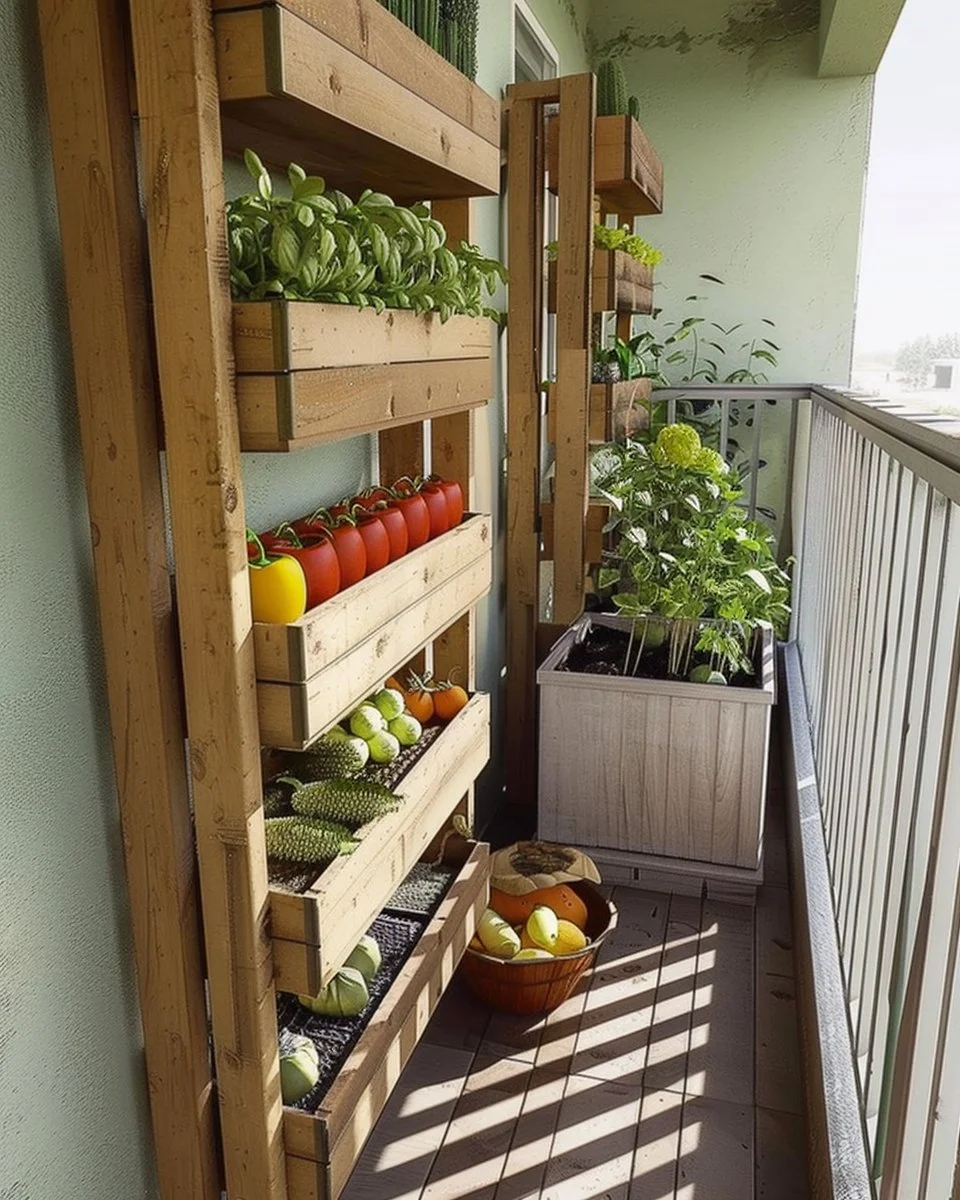
If space is limited, consider using vertical gardening techniques. This can include trellises, wall-mounted pots, or even repurposed old ladders. By growing vertically, you’ll maximize your growing area and create a stunning visual display. Imagine tomatoes cascading down from wooden trellises or cucumbers winding upwards—it’s like a little green oasis!
Companion Planting Benefits
Natural Pest Control
Companion planting is an entertaining concept where certain plants, when grown together, benefit one another. For example, planting marigolds near your vegetables can deter pests, while basil can enhance the flavor of tomatoes. It’s like creating a little community of plants that support each other—much like we do as neighbors!
Improving Flavor and Growth
Similarly, planting carrots alongside onions will confuse pests looking for one specific crop and can improve growth rates for both. It’s a win-win. Plus, the visual beauty of colorful plants can really enhance your garden’s aesthetic.
Effective Garden Maintenance
Watering Strategies
Watering is crucial for your garden’s success. Use a soaker hose or drip irrigation system for efficient watering, targeting the roots directly and minimizing evaporation. On hot days, plants need extra moisture—something I learned the hard way when my first batch of tomatoes shriveled. Regularly check your soil moisture; if it feels dry an inch below the surface, it’s time to water.
Fertilization Tips
Fertilization is another important aspect of maintenance. Different plants have different nutrient needs, so consider using organic fertilizers like compost or fish emulsion. In my garden, I noticed a dramatic difference after I started composting kitchen scraps—my plants thrived!
Harvesting and Using Your Produce
Preserving Your Bounty
Harvesting is perhaps the most rewarding part of gardening. When fruits and vegetables are ripe, it’s time to enjoy the fruits of your labor—literally! Picking fresh produce not only provides nourishment but also a sense of accomplishment. Consider ways to preserve your harvest, such as making pickles or canning sauces—trust me, there’s nothing quite like wintering with jars of summer’s bounty.
Creative Recipe Ideas
Use your harvest in delicious recipes. Pair fresh tomatoes with basil for a classic salad or roast root vegetables for a hearty side dish. Get creative with what you grew! Don’t forget to invite friends over for a meal made entirely from your garden—it’s a wonderful way to share your passion and inspire others.
Overcoming Common Gardening Challenges
Dealing with Pests
Even with the best plans, pests may invade your garden. Common culprits include aphids and slugs, but don’t worry! Rather than jumping straight to chemical solutions, try natural deterrents. Neem oil, insecticidal soaps, or introducing beneficial insects like ladybugs can be effective methods. A few proactive measures can save your plants while keeping your garden healthy.
Coping with Weather Extremes
Weather can be unpredictable. A sudden rainstorm or heatwave can wreak havoc on your fragile garden. Consider using row covers to protect young plants from cold snaps or shade cloth to shield them from the intense heat. Learning to adapt and respond to these changes will make you a better gardener—and it’s important to remember that every gardener faces challenges!
Conclusion
Creating a vegetable garden is not just an opportunity to grow your own food—it’s a personal journey filled with joy and learning. With the 10 Inspiring Vegetable Garden Ideas to Build Your Own Little Farm at Home that we’ve explored, you’ll be well-equipped to cultivate a thriving garden that suits your space and lifestyle. Remember, every garden is unique, just like the gardener behind it. Embrace the process, learn from your experiences, and most importantly, enjoy every moment spent in your little farm!
FAQs
What vegetables are easiest for beginners to grow?
Some of the easiest vegetables include lettuce, zucchini, and radishes. They germinate quickly and are forgiving for novice gardeners.
How do I know when to harvest my vegetables?
Most vegetables have specific maturity indicators such as size, color, and firmness. Research the ideal harvest time for each type to maximize flavor and quality.
Can I grow vegetables in pots?
Absolutely! Many vegetables, such as peppers and herbs, thrive in pots. Make sure to use pots large enough for root growth and select a good quality potting mix.
How often should I water my garden?
Water deeply about once a week, adjusting for weather conditions. Check the soil moisture—if it feels dry 1-2 inches down, it’s time to water.
What are some creative ways to use my harvest?
You can create fresh salads, sauces, or stir-fries, and don’t forget about preserving through canning or freezing for later use!