
Introduction
Have you ever walked into a home and felt an instant sense of warmth and comfort? Often, it’s not just the furniture or decor, but the carefully chosen colors that create an inviting atmosphere. The right color palette can evoke emotions, set the mood, and even influence the perception of space. That’s where our Farmhouse Color Guide: Layering Hues for Dynamic Interiors comes into play. In this guide, you’ll learn how to thoughtfully layer colors in your home to create dynamic and engaging interiors that resonate with the beloved farmhouse aesthetic. Let’s dive into the world of farmhouse colors and discover how to transform your spaces!
Table of Contents
Understanding the Farmhouse Aesthetic
Key Characteristics of Farmhouse Style
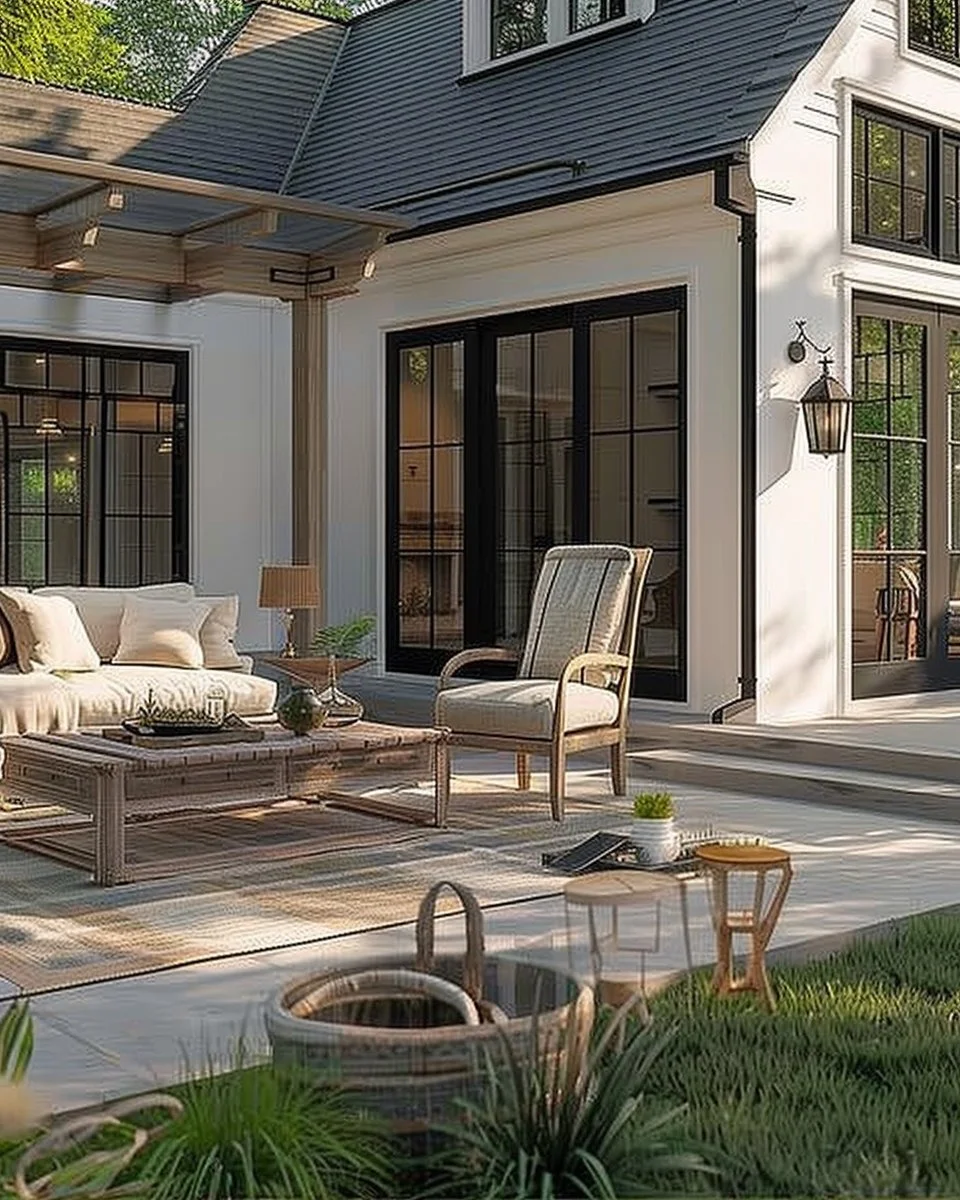
The farmhouse style is more than just a design trend; it’s a lifestyle choice that celebrates simplicity, warmth, and a connection to nature. Characterized by rustic elements, open spaces, and a blend of vintage and modern influences, the farmhouse aesthetic offers a welcoming environment for family and friends. Think of exposed wooden beams, comfortable furniture, and a palette that reflects the surrounding landscape.
When choosing colors, consider the surrounding elements – greenery, wood, and architectural features. The palette should complement the existing tones in your home. For example, a weathered barn red evokes nostalgia, while soft whites mirror farmhouse walls that glow with sunlight.
The Role of Color in Farmhouse Interiors
Color plays a pivotal role in creating the cozy, homey atmosphere that defines farmhouse interiors. It’s about layering hues to establish dynamic contrasts while maintaining a sense of harmony. Think of muted earth tones, warm pastels, and organic shades that mimic nature. In this Farmhouse Color Guide: Layering Hues for Dynamic Interiors, you’ll see how carefully chosen colors can enhance every room, providing both style and comfort.
Essential Color Palette for Farmhouse Homes
Neutral Base Colors
Starting with a neutral base color is crucial for farmhouse interiors. Shades like soft whites, creams, grays, and warm taupes form a foundation that allows other colors to shine without overwhelming the space. These bases are perfect for walls, large pieces of furniture, and built-ins, offering a clean, fresh backdrop for accent hues and decor.
Accent Colors to Consider
Once your neutral base is in place, it’s time to introduce accent colors. Blues, greens, and muted yellows work wonders in accent pieces and decor. Imagine adding a dusty blue chair next to a cream sofa or a sage green throw blanket draped over a taupe armchair. These pops of color can create interest and depth, making your space feel curated and intentional.
Seasonal Color Adjustments
Consider how colors shift with the seasons. In spring, you might bring in pastel florals and bright accents, while autumn could call for deeper hues like rust and gold. This seasonal approach allows for fresh energy in your home without committing to major renovations or purchases. Soft cushions, artwork, or even a new rug can transform a room with minimal effort.
Layering Colors for Depth and Texture
Understanding Color Theory Basics
Layering colors means understanding the basics of color theory. Warm colors (like reds, oranges, and yellows) can create a sense of coziness, while cool colors (like blues and greens) often promote tranquility and relaxation. Combining these colors will not only add visual interest but also help achieve a balanced interior that invites joy and peace.
Tips for Layering Different Hues
Try to apply these effective layering techniques for a truly dynamic interior:
- Use Tints and Shades: A tint is created by adding white to a color, while a shade is made by adding black. By mixing tints and shades, you can create a sophisticated monochromatic look.
- Play with Textures: Incorporating different materials can also enhance the layered color effect. Consider combining soft fabrics with rustic elements, like a linen throw on a leather couch, to create contrasting textures that visually engage the eye.
Practical Applications of the Guide
Room-by-Room Color Strategy
Let’s break down how to apply the Farmhouse Color Guide: Layering Hues for Dynamic Interiors room by room:
- Living Room: Start with a neutral sofa, add a vibrant area rug, and incorporate colored cushions and artwork to create a cozy retreat.
- Kitchen: Utilize cabinet colors that contrast gently with your wall color — think navy blue cabinets against soft gray walls, accented with brass fixtures for warmth.
- Bedroom: Soft, serene colors can help reach a restful ambiance. Layer different shades of blues and whites, with nature-inspired accents like greens from plants.
Incorporating Textiles and Accessories
Don’t overlook textiles! They are powerful tools for layering colors and textures. Use throws, pillows, curtains, and area rugs to introduce new colors while maintaining a cohesive look. For instance, a beautiful fabric panel in a soft floral print can tie together the colors in your space while inviting a sense of comfort and home.
Personal Stories and Inspirations
A Family Home Transformation
I remember helping a close friend who wanted to transform her plain living room into a space filled with farmhouse charm. We started with soft off-white walls, a rustic wooden coffee table, and comfy seating. Slowly, we introduced deeper navy and hints of coral through cushions and artwork. The whole room felt instantly cozier and more inviting, proving that with a little thought, a basic space can reflect a beautiful personality.
Vintage Finds and Unique Touches
Don’t shy away from incorporating vintage pieces! Flea markets or estate sales often hide treasures that can add character to your home. A vintage side table or an antique mirror can bring both a story and a unique touch to your design, while also working beautifully with the farmhouse aesthetic.
Finalizing Your Color Decisions
Testing Your Palette
Once you’ve settled on a color scheme, the next step is to test those colors in your space. Light can dramatically change how a color looks throughout the day. Paint swatches on your walls and observe how they respond to natural light at different times. This process will ensure that the colors you choose will complement your home’s ambiance perfectly.
Keeping a Cohesive Look
Consistency is key for achieving that curated farmhouse look. Keep a similar color palette throughout your home to help tie your spaces together. A cohesive design promotes flow and helps each room feel like part of a greater whole.
Conclusion
In conclusion, the Farmhouse Color Guide: Layering Hues for Dynamic Interiors is your ticket to creating spaces that are not only visually stunning but also comfortable and inviting. By understanding foundational colors, layering techniques, and unique personal touches, you can transform your home into a charming farmhouse retreat. Remember to experiment and have fun throughout the process — your home reflects who you are. So, go ahead, embrace the colors and character of the farmhouse style, and let your creativity flourish!
FAQs
What are the best colors for a farmhouse kitchen?
For a farmhouse kitchen, soft whites and warm neutrals are great bases, with accent colors like muted greens or blues for cabinetry and decor.
How can I change my home’s colors for different seasons?
You can easily switch up colors through textiles like blankets, cushions, and seasonal decor, introducing colors that reflect the mood or season, such as warm tones in fall and pastels in spring.
What type of furniture works best in a farmhouse design?
Look for comfortable, rustic pieces made from wood or natural materials. Distressed finishes and vintage finds add to the charm and authenticity of farmhouse décor.
Are there specific colors that create a sense of calm in a home?
Yes! Softer shades of blues, greens, and neutrals generally evoke feelings of calm. These colors can be layered for a peaceful, serene environment, especially in bedrooms and living spaces.
How do I incorporate modern elements into my farmhouse design?
You can blend modernity with farmhouse elements by using sleek furniture lines, minimalist decor, or contrasting materials (like metal with wood), creating a harmonious balance between old and new.