
Introduction
If you’ve ever wandered through a garden center, inhaled the rich scent of fresh soil, and marveled at the vivid colors of flowers and vegetables, you might have felt a tug at your heart—a desire to dig in and cultivate your own slice of green paradise. Gardening can be incredibly rewarding, providing both relaxation and a sense of accomplishment. But if you’re a beginner, you might feel daunted by the sheer amount of knowledge out there. That’s where these 21 Gardening Tips For Beginners come in. This guide will equip you with essential skills, practical advice, and a bit of inspiration to jumpstart your gardening adventure.
Table of Contents
Understanding Your Space
Choosing the Right Location
Before you even think about planting seeds, take a moment to evaluate your available space. Whether you have a sprawling backyard or a cozy balcony, knowing what you have to work with is crucial. Plants need different amounts of sunlight, so identify areas that get full sun (6-8 hours), partial shade (4-6 hours), or full shade (less than 4 hours).
Have you ever wondered why some plants thrive while others struggle? It often boils down to the right placement. A sun-loving tomato plant will droop in a shady nook, while shade-loving ferns will burn in direct sunlight.
Assessing Soil Quality
Soil is the lifeblood of your garden. To get started, it’s a good idea to conduct a soil test to see what nutrients it contains or lacks. This can often be done through a local extension office or by purchasing a simple testing kit. Here’s a quick tip: healthy soil is usually an earthy, dark color and crumbles easily in your hand. If it’s too clay-heavy, consider mixing in compost or organic matter to improve texture and nutrients.
Getting Started with Seeds
Selecting the Right Seeds
Choosing seeds is like choosing a recipe—it all depends on what you want to create. If you’re just getting started, consider picking plants that are known for being easy to grow, such as radishes, beans, or sunflowers. Check your local gardening zone to see what thrives in your area, as some plants may struggle in specific climates.
Seed Planting Techniques
Once you’ve chosen your seeds, it’s time to get planting! Read the seed packet for specific instructions about depth and spacing. A common mistake beginners make is burying seeds too deep. As a rule of thumb, plant seeds at a depth that’s about twice their diameter. Make sure to label your seedlings, so you know what you’re growing!
Essential Tools Every Gardener Needs
Investing in the right tools can make a world of difference in your gardening experience. A few must-have tools include:
- Gloves: Protect your hands from dirt and thorns.
- Trowel: Perfect for digging and transferring soil.
- Pruning Shears: Great for trimming plants and harvesting.
- Rake: Useful for leveling soil and clearing debris.
Think about it this way: gardening tools, like your favorite kitchen gadgets, can either make the process a breeze or turn it into a chore.
Watering Wisely
Understanding Watering Needs
Water is essential, but too much can lead to root rot. It’s better to water deeply but less frequently rather than a little every day. A handy tip is to check if the top inch of soil is dry before watering again.
Signs of Overwatering
Have you noticed wilting or yellowing leaves? It might not be a sign of drought; it could mean you’re overwatering. The roots need oxygen as much as they need water, so find that sweet spot!
Fertilizing for Success
Plants are like us—they need a balanced diet to grow strong and healthy. In the beginning, focus on using organic fertilizers like compost or fish emulsion. These options add nutrients without the harsh chemicals found in synthetic fertilizers.
Once your plants are established, you can evaluate their needs and adjust your fertilization routine accordingly. Always follow the instructions on the fertilizer packaging for the best results.
Pest Control Tips
Natural Pest Deterrents
You may love your garden, but pests see it as an all-you-can-eat buffet. Fortunately, there are many natural deterrents you can use. Planting marigolds around your vegetables can help ward off certain pests, while garlic spray is effective against aphids.
Common Pests and Solutions
Another common enemy is the dreaded slug. They can decimate your seedlings overnight! To combat this, try a ring of crushed eggshells or diatomaceous earth; it’ll keep soft-bodied pests at bay while being harmless to your plants.
Seasonal Gardening Tips
Preparing for Each Season
Each season brings unique challenges and opportunities in the garden. In spring, focus on planting and nurturing. As summer approaches, think about how to protect your plants from heat. Fall is the time to harvest and plant for the next season. Finally, in winter, many gardeners choose to plan and prepare for the upcoming year.
By staying attentive to the seasons, you can maximize your garden’s potential while minimizing your workload.
The Joy of Gardening
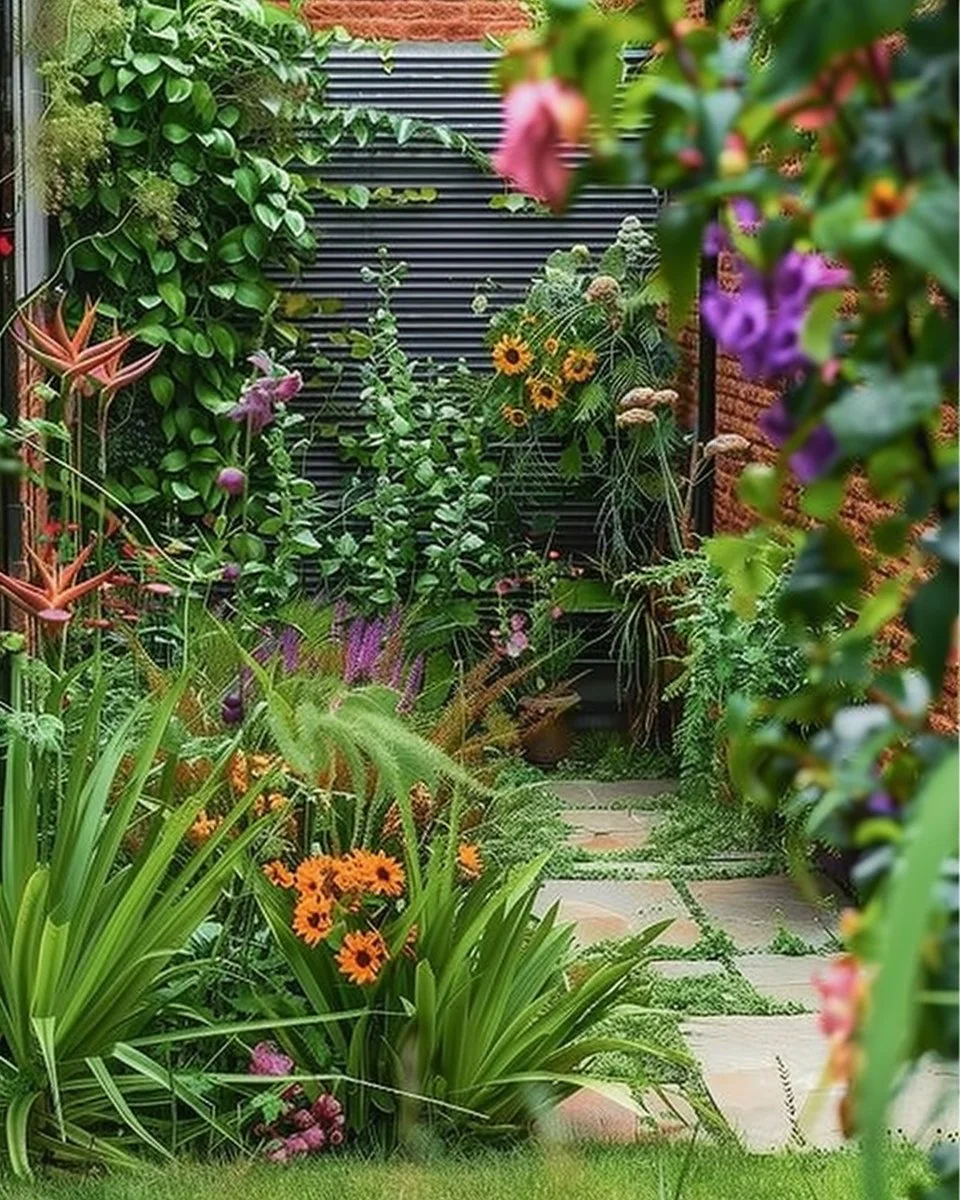
At the end of the day, gardening is about more than just growing plants; it’s about the joy of nurturing something alive and the satisfaction that comes from cultivating beauty. You may even find peace in watching the butterfly land on your blooming flowers or tasting the first fruits of your labor.
Remember, every expert gardener was once a beginner, facing the same challenges you might feel. Embrace the journey!
Conclusion
If you’re inspired to dig deeper into gardening, these 21 Gardening Tips For Beginners will set you off on the right foot. Embrace your space, learn about your soil, choose your plants wisely, and enjoy every moment you spend tending to your garden. The most important thing is to have fun and stay patient. Over time, you’ll develop the skills and confidence to nurture your green thumb!
FAQs
What’s the best time to start a garden as a beginner?
Spring is often ideal as the weather warms up, and many plants thrive in this season.
How much sunlight do vegetables need?
Most vegetables require at least 6-8 hours of direct sunlight each day.
Can I grow a garden in containers?
Absolutely! Container gardening is perfect for beginners and works well in limited spaces.
What should I do if my plants are wilting?
Check for both water levels—under and overwatering can lead to wilting.
How often should I check my garden for pests?
Regular checks, about once a week, can help catch any pest issues before they become serious.