
Introduction
Have you ever bitten into a perfectly ripe raspberry, the sweet-tart flavor exploding in your mouth, and thought, “I want to grow these myself”? Well, you’re not alone! Growing your own raspberries can be hugely rewarding, but it’s not always as straightforward as it seems. Whether you’ve got a sprawling garden or just a small balcony with pots, with some guidance, you can produce some of the juiciest, tastiest berries around. In this article, we’ll explore 10 Must-Try Raspberry Growing Tips for Bigger, Tastier Berries. By following these practical and proven tips, you’ll be well on your way to enjoying your homegrown harvest all summer long!
Table of Contents
Choosing the Right Raspberry Variety
When diving into raspberry gardening, your first step is selecting the right variety. You might be surprised to learn that there are many different types of raspberries, each with its unique flavor, texture, and growing habits. Have you ever thought about summer versus everbearing varieties? Summer raspberries provide a generous harvest during the warmer months, while everbearing ones can yield fruit in both summer and fall. The choice you make depends on your climate and how you’d like to enjoy your berries throughout the year. Additionally, consider the factors influencing your choice, such as your local climate and available space.
Preparing Your Soil for Planting
Soil quality is crucial for raspberry plants, as they thrive in well-draining, rich soils. Start by assessing the soil in your garden or planters. If it feels compacted or lacks nutrients, you’ll want to amend it before planting. Adding compost or aged manure is an excellent way to provide essential nutrients. Aim for a pH level between 5.5 and 6.5 to create the ideal environment for robust growth. Implementing these soil amendments acts as the foundation of your raspberry growing experience by ensuring your plants are well-nourished from the start.
The Right Planting Technique
Planting raspberries correctly sets the stage for successful growth. When you’re ready to plant, space your plants two to three feet apart to allow for good air circulation and access to sunlight. Dig a hole that accommodates the root ball without crowding the roots. Make sure to plant them at the same depth they were in their pots. This helps the plants acclimate to their new environment. A little extra care during this phase can lead to a thriving raspberry patch in no time!
Watering Practices for Healthy Growth
Watering your raspberry plants properly is key to their vitality. It’s crucial to maintain consistent moisture during their growing season, especially in hot, dry periods. A good rule of thumb is to water them deeply once a week, ensuring the soil remains moist but not soggy. Have you ever wondered how to tell if your raspberries are getting too much or too little water? Signs of overwatering include wilting leaves that may turn yellow, while underwatered plants may have dry, crispy leaves. Regularly check the soil moisture level to help your plants flourish!
Pruning for Enhanced Yields
Pruning isn’t just for aesthetics; it’s a vital part of raspberry care that directly impacts your yields. Knowing when and how to prune can significantly enhance your crop. For summer-bearing varieties, you’ll want to prune back the canes that have already produced fruit, promoting healthy new growth for the following season. In contrast, everbearing varieties can be pruned back to the ground after fall harvest. Each pruning scenario serves a different purpose, ensuring your raspberry plants continue to thrive year after year.
Fertilizing Your Raspberries
To keep your raspberries growing strong, proper fertilization is a significant contributor. Raspberries are non-demanding plants, but they do benefit from balanced fertilizers high in potassium and phosphorus. Applying a slow-release fertilizer in early spring can jumpstart their growth. Aim for an application every 4-6 weeks during the growing season. Just remember not to over-fertilize, as this can lead to undesirable plant growth and affect taste. It’s all about balance!
Pest and Disease Management
Like any crop, raspberries can be susceptible to pests and diseases. Common raspberry pests include aphids, spider mites, and fruit worms, all of which can become a nuisance if not managed properly. Implementing preventive measures like maintaining proper spacing and cleanliness in the garden can significantly reduce pest problems. Should pests invade, consider using organic options such as neem oil to manage outbreaks effectively. Vigilance is key!
Harvesting for Peak Flavor
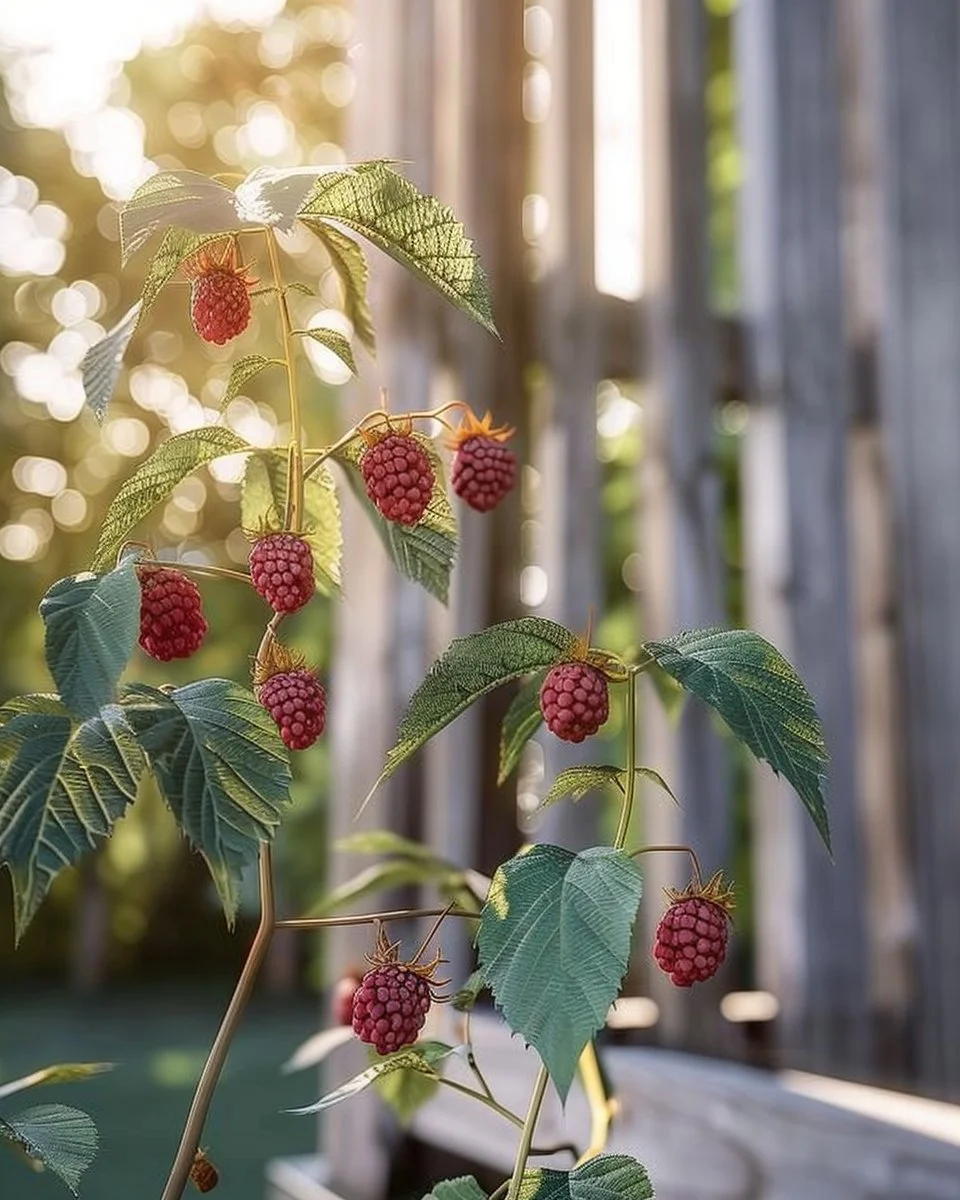
Your hard work leading up to harvest time deserves recognition, and knowing when to pick is essential. Raspberries should be harvested when they’re fully colored and easily pull away from the plant. If they’re still firm or not easily removed, they’re likely not ready. It’s important to pick your berries at their peak ripeness for the best flavor. Handling them gently during harvest ensures their delicate nature isn’t compromised. Harvesting is more than just a task; it’s the exciting culmination of your gardening efforts!
Conclusion
In summary, following these 10 Must-Try Raspberry Growing Tips for Bigger, Tastier Berries will set you on the right path to cultivating a succulent raspberry patch. From choosing the right varieties to knowing when to prune, each aspect plays a pivotal role in your raspberry gardening journey. With patience and perseverance, your efforts will reward you with a delightful harvest. So grab your gardening gloves and get planting; your delicious, homegrown raspberries are just around the corner!
FAQs
What type of soil is best for growing raspberries?
Raspberries prefer well-draining, rich soil with a pH between 5.5 and 6.5. Adding organic matter, like compost, enhances soil quality.
How much sunlight do raspberries need?
Raspberries thrive in full sun, requiring at least 6-8 hours of direct sunlight per day to produce the sweetest fruit.
When is the best time to prune raspberry plants?
For summer-bearing varieties, prune after harvest. For everbearing types, you can prune them back to the ground after the fall harvest.
How can I tell if I’m watering my raspberries correctly?
Check the soil. If it’s consistently moist but not soggy, you’re on the right track. Look out for wilting leaves or signs of yellowing.
What’s the best way to protect raspberries from pests?
Maintain good garden hygiene, ensure good air circulation, and consider organic solutions like neem oil if pests become an issue.