
Introduction
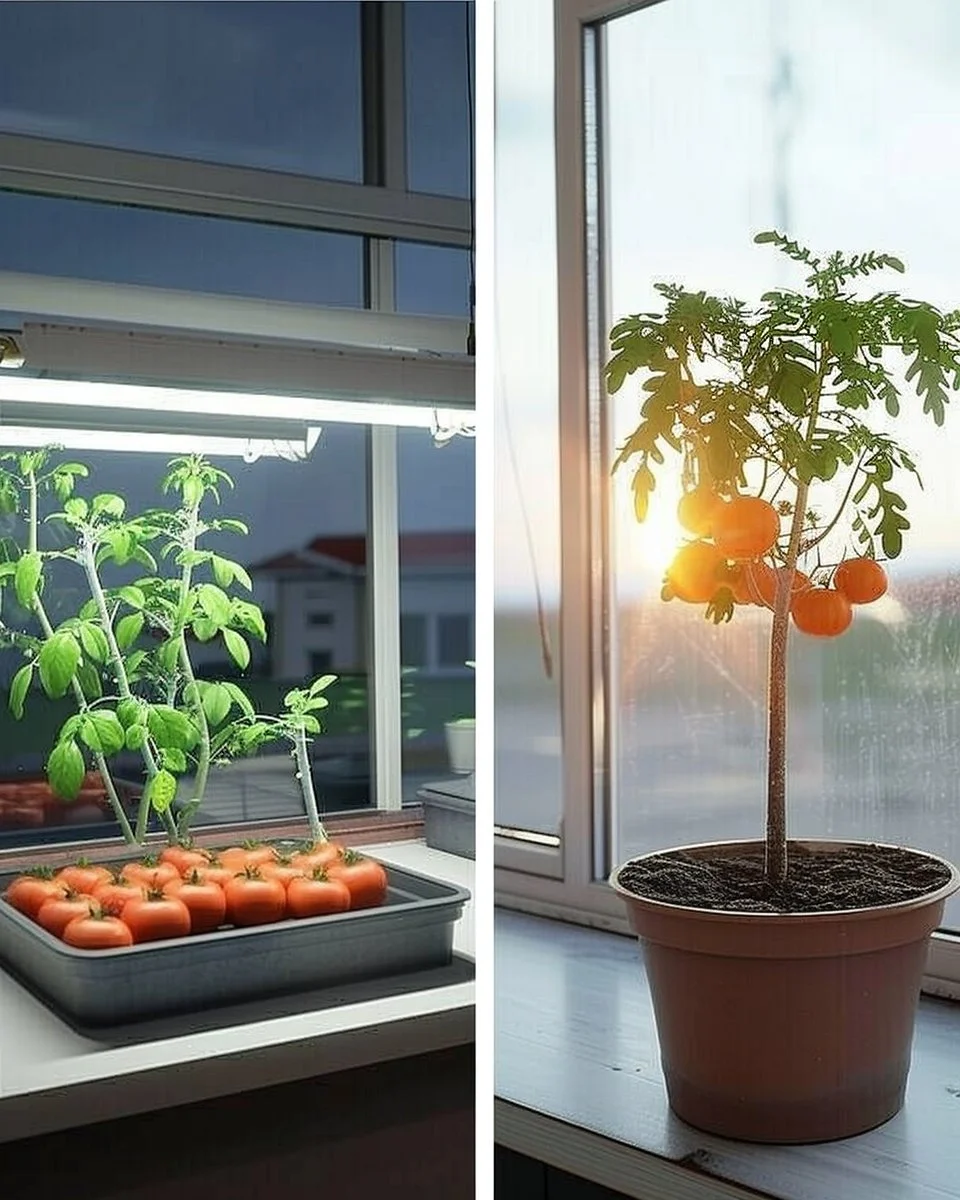
Have you ever bit into a fresh, juicy tomato and thought about how you could grow your own right in your kitchen or living room? Imagine stepping out of your home and plucking a ripe tomato, knowing it was grown with your own hands. Indoor gardening, particularly for tomatoes, is more accessible than you might think. In this article, we’ll explore the Container Gardening Secrets For Fresh Tomatoes Grown Inside that will transform your culinary experience and help you enjoy homegrown flavors year-round.
Table of Contents
Choosing the Right Containers
The first step in your journey to growing fresh tomatoes indoors is selecting the perfect container. It’s not just about aesthetics; the right container can greatly influence your tomato plants’ health and yield.
Size Matters
When it comes to container gardening, size does matter. Generally, tomatoes need a minimum of five gallons of soil to thrive, so choose a container that can accommodate this. Bigger is often better, as larger containers retain moisture and provide more nutrients. Consider using 10- or 15-gallon containers if you have the space and wish for healthier plants.
Material Selection
Containers can come in several materials, including plastic, ceramic, and fabric. Each has its pros and cons. Plastic is lightweight and often less expensive, while ceramic pots are more aesthetically pleasing but can be quite heavy. Fabric pots offer excellent drainage and aeration, which helps prevent root rot. Just remember that whichever material you choose, make sure your container has drainage holes. This prevents water from sitting at the bottom and rotting the roots—definitely a little secret worth knowing!
Soil and Nutrient Selection
After you’ve chosen your containers, it’s time to focus on the soil. When looking for successful container gardening secrets for fresh tomatoes grown inside, remember that the right soil mix can make all the difference.
Importance of Quality Soil
Tomatoes love rich, well-draining soil. Think of soil as the foundation of your gardening project; poor quality soil can lead to poor health and yield. A good soil mix for tomatoes includes components like peat moss, vermiculite, and perlite—to improve aeration and drainage. Aim for a pH level of 6.0 to 6.8 for optimal growth.
Fertilizing for Fruiting
Nutrients are essential for healthy plants. Look for a balanced fertilizer (like a 5-10-10) and start applying it once your plants begin to flower. A witty anecdote—once a friend of mine forgot about fertilizer while growing tomatoes, and their plants looked vibrant but produced very few tomatoes! Lesson learned: don’t skip the fertilizer during those critical stages. Fertilizing in moderation will help you grow bountiful tomatoes.
Varieties of Tomatoes for Container Gardening
There are numerous types of tomatoes; some are more suited for indoor container gardening than others. Understanding the different varieties is one of the container gardening secrets for fresh tomatoes grown inside.
Determinate vs. Indeterminate
Determinate tomatoes tend to grow to a certain height and produce all their fruit at once, while indeterminate tomatoes can grow indefinitely and produce fruit throughout the season. If you’re looking for an easier indoor option, consider determinate varieties like ‘Patio Princess’, which is specifically bred for container gardening.
Best Varieties for Indoor Growth
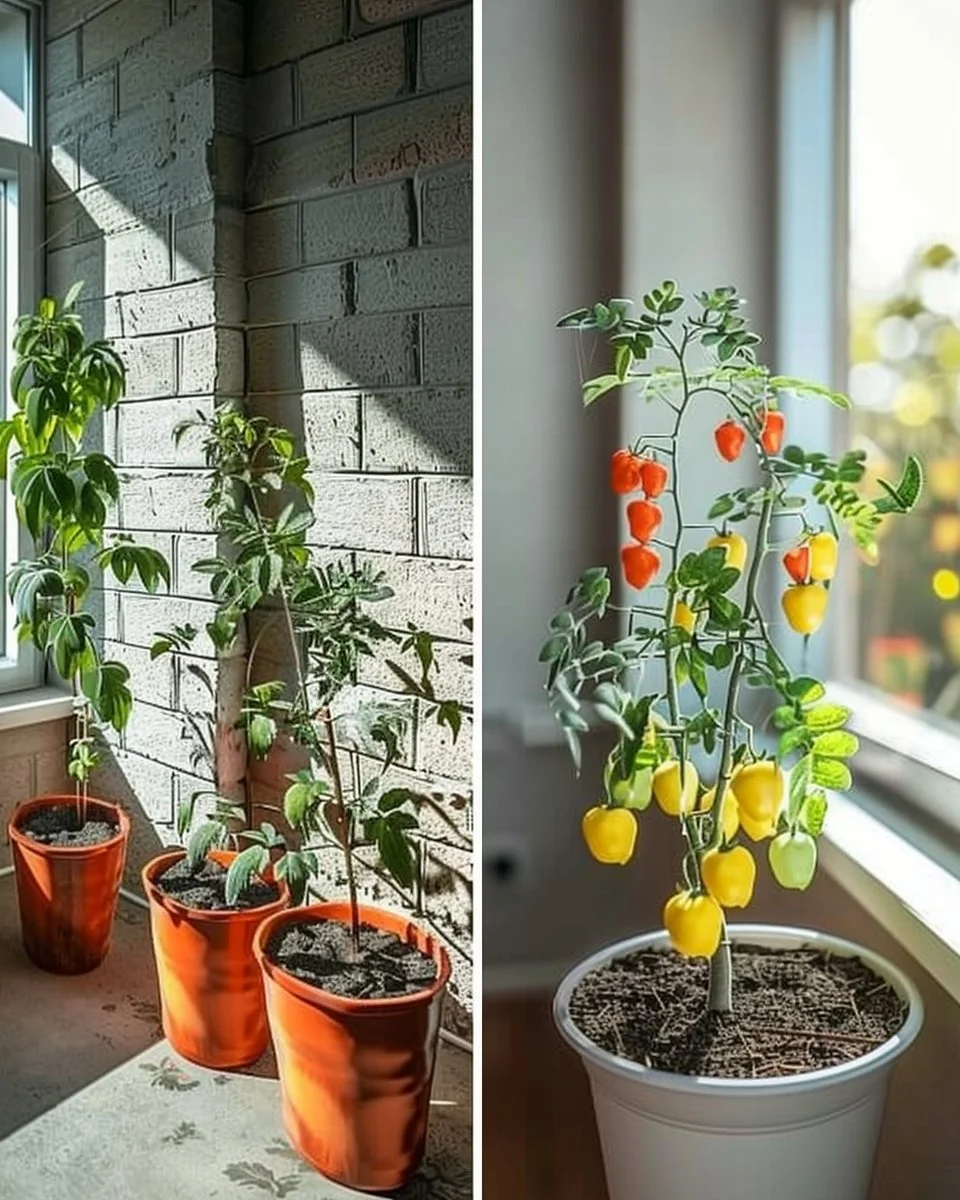
Not all tomatoes thrive in less-than-ideal conditions. Some excellent choices that do well indoors include ‘Tiny Tim’ and ‘Tumbling Tom’. These varieties occupy less space, making them perfect for your windowsill or balcony!
Light Requirements for Indoor Tomatoes
Lighting can be the turning point between a thriving garden and a lackluster one. Indoor tomatoes require plenty of light to flourish.
Natural Light vs. Grow Lights
If you have a sunny location such as a south-facing window, natural light might suffice. Tomatoes typically need 6-8 hours of direct sunlight each day. However, if natural sunlight is limited, investing in grow lights can be a game-changer. Look for full-spectrum lights that mimic the sun’s rays and enhance your indoor gardening experience.
Signs of Light Deficiency
Keep an eye out for signs that your plants aren’t receiving enough light—stretched stems, pale leaves, and a slow growth rate are some giveaways. Adjusting light exposure could make all the difference in your tomato yield.
Watering Techniques for Successful Growth
Watering can feel like a bit of an art! Understanding how to water your indoor tomatoes is vital for their success.
How Often to Water
Tomatoes thrive in moist soil, but don’t like soggy roots. A general rule is to water when the top inch of soil feels dry. In warmer months, you might water daily; during cooler winters, you may only need to water a few times a week. The key is consistency and attentiveness.
Identifying Overwatering and Underwatering
It’s essential to understand the signs of both overwatering and underwatering; droopy leaves and yellowing generally indicate too much water, while wilting and dry soil suggest they need a drink. Trust me, nobody likes a plant on the verge of a meltdown, so keep a watchful eye!
Pest Control and Maintenance
Even indoor tomato gardens can face pest challenges. Happily, there are effective, organic methods to keep your garden thriving and pest-free.
Common Indoor Pests
Watch out for common indoor pests like aphids, spider mites, and whiteflies. These little critters can wreak havoc on your plants if ignored. Regularly inspect the undersides of leaves and introduce beneficial insects or neem oil treatments to combat any unwanted guests.
Organic Control Methods
Organic pest control methods, such as diatomaceous earth or insecticidal soap, also contribute to a healthier environment for your tomato plants. Remember, a healthy plant is more resilient, so keep them nourished, and they’ll be less susceptible to pests.
Tips for a Successful Harvest
Your reward for nurturing your plants will soon be ripe, delicious tomatoes! Here’s how to ensure a successful harvest.
When to Harvest Tomatoes
The perfect moment to pick a tomato is when it’s fully colored and slightly soft to the touch. Enjoy the satisfaction that comes from growing your own food. Who doesn’t love the thrilling moment of seeing vibrant tomatoes on their indoor tomato plant?
Storing Your Tomatoes
Once harvested, store your tomatoes in a cool, dark place, ideally at room temperature. Refrigeration can alter their taste and texture, so keep them out as much as possible to fully relish that homegrown flavor!
Conclusion
Growing fresh tomatoes indoors with container gardening secrets is not just a dream; it’s entirely achievable. By selecting the right containers, understanding soil needs, choosing the right varieties, and enabling proper lighting and watering, anyone can successfully cultivate tomatoes in their indoor garden. Now that you have the keys to success, dive into the world of indoor gardening and experience the joy of homegrown tomatoes. You can do this!
FAQs
Can I grow tomatoes indoors year-round? Yes! By providing adequate light and warmth, tomatoes can thrive indoors throughout the entire year.
What are the best containers for growing tomatoes indoors? Containers should be at least 5 gallons or larger, with drainage holes, and materials can vary from plastic to fabric pots.
How often should I fertilize my indoor tomatoes? Fertilize your tomatoes every 4–6 weeks, especially when flowering begins, to encourage fruit production.
Are there any specific diseases I should look out for? Watch for blight and blossom end rot; both can occur indoors, especially in humid conditions.
Can I use regular garden soil for container tomatoes? While garden soil can be used, potting mix specifically designed for containers is recommended to ensure proper drainage and aeration.