
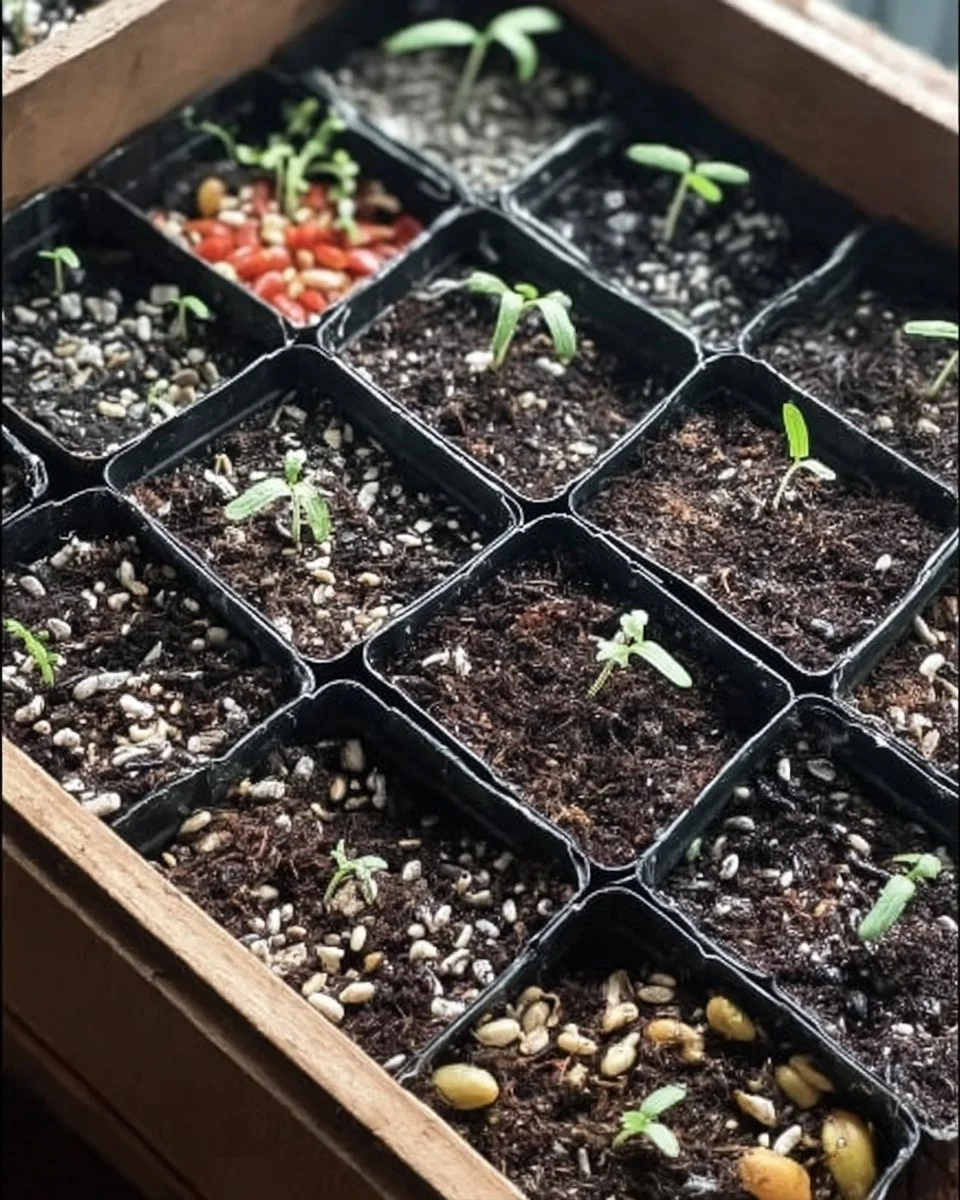
Introduction to DIY Seed Starting Mix: Recipes and How-To
Are you eager to jump into gardening but unsure where to start? Creating your own seed starting mix can set the stage for a flourishing garden. DIY Seed Starting Mix: Recipes and How-To is not just practical; it’s a journey into the world of gardening that many beginners and seasoned green thumbs appreciate. Have you ever faced the dilemma of finding the right blend for your seeds? This guide will simplify that process and save you money while allowing you to customize your mix to suit various plant types.
Making your own seed starting mix gives you total control over what goes into it, making it free from chemicals and fillers often found in store-bought options. The best part? It can be done for a fraction of the cost and in lesser time than you might think. Plus, this project is suitable for both indoor and outdoor gardening. Imagine nurturing your seeds in a rich, organic environment tailored just for them!
When working with DIY Seed Starting Mix, the possibilities are nearly endless. You can create a rich, nutrient-dense blend tailored specifically to the plants you’re growing. This guide will walk you through the steps to make your own mix, offering recipes and tips for successful seed starting. Whether you’re planting flowers or vegetables, you’ll find that this simple project can make all the difference in your gardening success.
Table of Contents
Key Benefits of DIY Seed Starting Mix: Recipes and How-To
Why You’ll Love This Build
- Cost-Effective: Save money compared to buying pre-made mixes.
- Customization: Tailor the mix to specific seed types with ease.
- Quality Control: Know exactly what goes into your growing medium.
- Environmentally Friendly: Use organic materials to reduce chemical exposure.
- Flexible Uses: Perfect for indoor and outdoor plants alike.
- Simple to Make: No special skills required; it’s an easy DIY task.
What Makes It Stand Out
DIY Seed Starting Mix stands out for its originality and flexibility. Unlike store-bought versions, this mix is crafted with your specific gardening needs in mind. Want to grow organic vegetables? Or perhaps colorful annuals for your flower bed? By making your own mix, you can adjust the components to create a perfect blend for whatever you’re planting.
Moreover, you have numerous customization options, from enhancing drainage with perlite to adding nutrients with compost. This mix also shines in sustainability, as it allows you to use natural materials typically found around your home or garden center. The joy of walking into your garden, knowing that every seed was nurtured in a special mix made by your hands, is truly rewarding.
Project Specs for DIY Seed Starting Mix: Recipes and How-To
At-a-Glance Details
- Skill Level: Beginner
- Estimated Time: 30 minutes
- Estimated Cost: $20 – $30
- Dimensions: Varies based on storage container (e.g., 1 gallon/3.8 L bucket)
- Indoor/Outdoor Suitability: Indoor and outdoor
- Tools Needed at a Minimum: Mixing container, hand trowel, measuring cups
Materials and Tools for DIY Seed Starting Mix: Recipes and How-To
Complete Materials List with Measurements
- Peat Moss: 2 parts (e.g., 8 cups/1.9 L)
- Compost: 1 part (e.g., 4 cups/0.95 L)
- Perlite: 1 part (e.g., 4 cups/0.95 L)
- Vermiculite: 1 part (optional, e.g., 4 cups/0.95 L)
- Organic Fertilizer: 1 tablespoon (e.g., 15-20-15 mix)
- Water: As needed
Complete Tools List
- Mixing Container: 5-gallon bucket or large wheelbarrow
- Hand Trowel: For mixing
- Measuring Cups: For precise measurements
- Watering Can: For adding moisture
Substitutes and Alternatives
If you can’t find peat moss, coconut coir is a fantastic substitute. It offers similar moisture retention while being a more sustainable option. Don’t have perlite or vermiculite at hand? You can use sand, although this might alter the texture somewhat. For the fertilizer, any all-purpose organic blend will work well if you focus on avoiding synthetic chemicals.
Cut List and Measurements for DIY Seed Starting Mix: Recipes and How-To
No cut list is needed for this project as it primarily involves combining materials. Simply measure the components based on the ratios provided in the materials list.
Safety and Prep for DIY Seed Starting Mix: Recipes and How-To
Creating your seed starting mix involves minimal safety concerns, but a bit of caution is always a good idea. Ensure you are wearing gloves if you have sensitive skin, especially when handling peat moss or other materials that might irritate.
Set up your workspace for maximum efficiency. Choose a clean area, preferably outdoors or in a garage, to prevent dust accumulation indoors. Use accurate measuring tools to maintain the proper proportions. This can be crucial for plant health later on. When mixing, taking care to blend evenly will yield the best results for your seeds.
How to Build DIY Seed Starting Mix: Recipes and How-To – Step-by-Step Directions
Step 1 – Prep and Layout
Begin by gathering all your materials and tools in a designated area. Have a large mixing container ready, ensuring it’s clean and free of contaminants. Measure out your peat moss using your measuring cups, ensuring you have the right portions ready for mixing.
Step 2 – Combine Base Mix Ingredients
In your mixing container, add the measured peat moss, compost, and perlite. Make sure they are in the correct ratio. Use your hand trowel to begin mixing these components together thoroughly to achieve a uniform texture.
Step 3 – Incorporate Optional Ingredients
If you are opting for vermiculite, now is the time to add it to your mix. This layer will help improve moisture retention and air circulation for the seeds. Ensure this addition is also well-mixed into your base blend.
Step 4 – Add Organic Fertilizer
Sprinkle the organic fertilizer evenly over your mix. Using your hand trowel, incorporate it fully into the blend. This will provide essential nutrients your seeds will need as they begin their growth.
Step 5 – Assess Moisture Level
At this stage, it’s essential to check the moisture level of your mix. If it feels dry, gradually add water, mixing as you go. Aim for a damp consistency that holds together but doesn’t clump excessively.
Step 6 – Final Mix and Texture Check
Once you’ve added moisture, do a final mix of your seed starting blend. It should be crumbly yet moist, promoting excellent aeration for your seeds’ roots.
Step 7 – Label Your Mix
It’s a good idea to label your container clearly, especially if you’ve customized the ingredients. This will help you remember what mix you used when planting different seeds.
Step 8 – Store or Use Immediately
If you’re not planting right away, store your mix in a sealed container to keep it fresh. Otherwise, you can immediately fill seed trays or pots and begin your gardening journey.

FAQ About DIY Seed Starting Mix: Recipes and How-To
What types of seeds can I use with this mix? You can use this mix for almost any seeds, including vegetables, flowers, and herbs. It may be adjusted slightly based on specific needs of particular seeds.
How do I store leftover mix? Store any leftover seed starting mix in a sealed container in a cool, dry place. This will keep it fresh for future planting.
Can I use this mix for plants other than seeds? While primarily designed for seed starting, some gardeners find that it works well for young plants needing a lighter, airy soil.
Is this mix organic? Yes, this mix can be entirely organic if you choose organic compost and fertilizers.
How often should I water my seeds planted in this mix? Keep the mix moist but not overly wet. It’s best to check daily and water as needed to maintain moisture without flooding.