
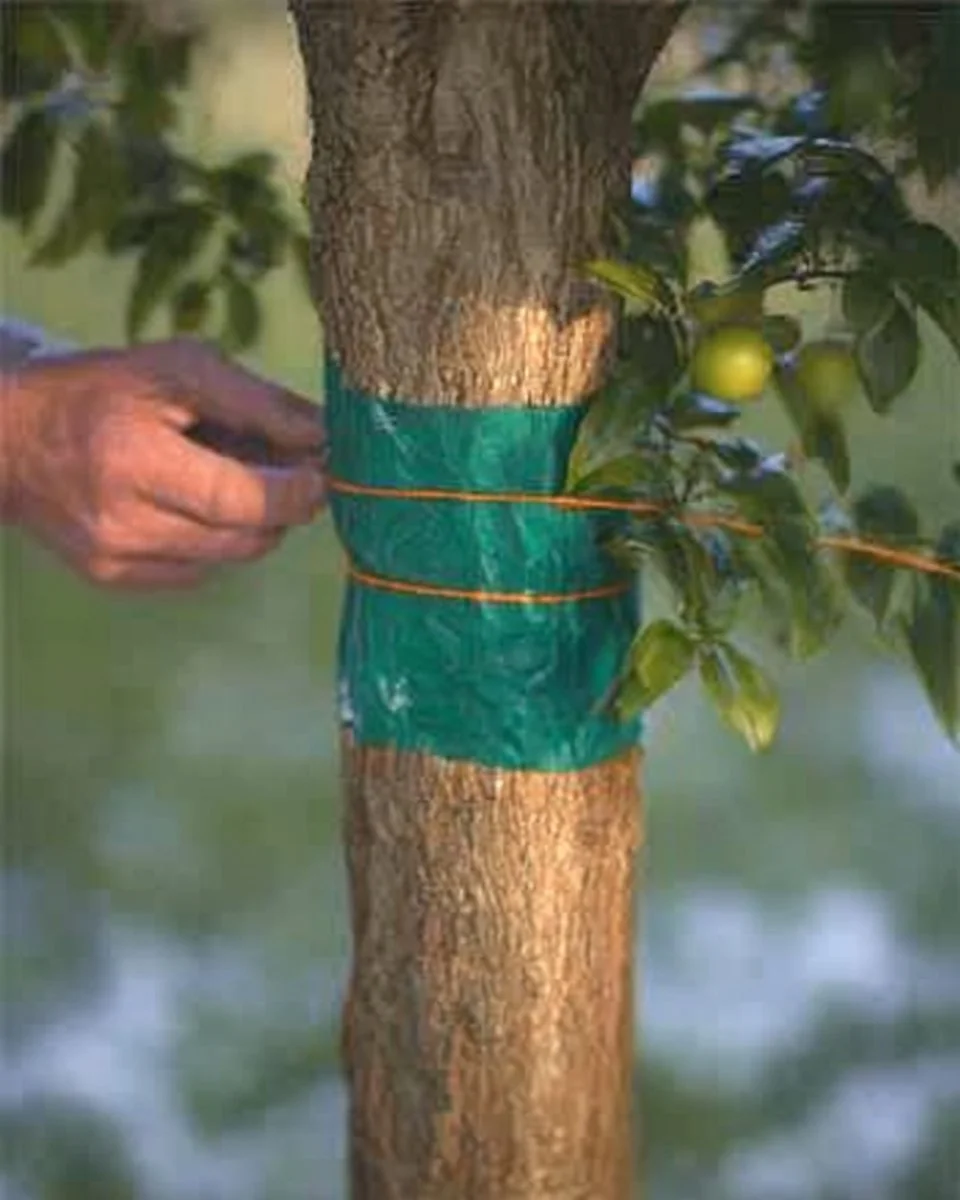
Introduction to Winter Care for Fruit Trees
As winter approaches, many of us might be inclined to think fruit trees are dormant and require little attention. However, this is far from the truth! Proper winter care for fruit trees is essential to ensure healthy growth and bountiful harvests in the spring. Are you aware of the challenges that winter weather poses to your beloved fruit trees? Protecting them may require thoughtful preparation and a few simple techniques, but the rewards are worth it!
Consider your fruit trees’ needs during the cold months. While they are not actively growing, sustaining their health through the winter can pay off in spades when the spring season arrives. Whether you have apple, pear, or any other fruit trees, understanding their winter care nuances is crucial. It may be more affordable than you think to ensure your trees thrive! The time commitment is manageable, even for busy homeowners, and you don’t need an extensive background in gardening.
This article will delve into practical steps you can take, the tools you will need, and the vital aspects of winter care for fruit trees. By the end, you’ll be prepared to cultivate a flourishing orchard that withstands the rigors of winter.
Table of Contents
Key Benefits of Winter Care for Fruit Trees
Why You’ll Love This Build
- Enhanced Resilience: Proper care helps trees withstand harsh winter conditions.
- Improved Yield: Healthy trees lead to better fruit production in the spring.
- Cost-Effective: Prevents costly replacements for damaged trees.
- Simplicity: The techniques are straightforward and easy to incorporate.
- Versatility: Suitable for all types of fruit trees.
- Peace of Mind: Knowing your trees are protected offers great comfort.
What Makes It Stand Out
Winter care for fruit trees shines because it is multifaceted. While store-bought options often provide temporary solutions, a hands-on approach enables deeper knowledge of your trees’ needs. Additionally, personalizing your care strategy—whether selecting the appropriate mulch, choosing pest prevention methods, or identifying the right pruning techniques—adds an invaluable layer of customization.
Furthermore, understanding the unique requirements of each fruit tree type can elevate your gardening experience. By adopting a tailored winter strategy, you’re not just safeguarding your trees; you’re investing in a fruitful future.
Project Specs for Winter Care for Fruit Trees
At-a-Glance Details
- Skill Level: Beginner
- Estimated Time: 2–4 hours (depending on the number of trees)
- Estimated Cost (USD): $50–$150
- Dimensions: N/A
- Indoor/Outdoor Suitability: Outdoor
- Tools Needed at a Minimum: Pruning shears, shovel, mulch (straw or wood chips), protective netting, tarps.
Materials and Tools for Winter Care for Fruit Trees
Complete Materials List with Measurements
- Mulch (wood chips or straw): Enough to layer around the base, about 3-4 inches deep.
- Frost cloth or tarps: Sufficient to cover trees up to 10-12 feet tall.
- Gardening stakes: A dozen or so to support branches if necessary.
- Planting soil (optional): For filling holes or mounding around base.
- Organic fertilizer: Choose a winter blend to nourish the tree.
Complete Tools List
- Pruning Shears: For cutting back dead or crossing branches.
- Shovel: For digging and moving mulch or soil.
- Rake: To clear the ground around trees.
- Garden Gloves: To protect hands during winter preparation.
- Water Hose or Bucket: For watering if needed.
Substitutes and Alternatives
If you don’t have frost cloth or tarps, consider using old bed sheets or blankets to provide adequate coverage against frost. For mulch, you can also use leaves or pine needles if wood chips are not readily available. Ensure your substitutes still offer the necessary insulation and protection from harsh conditions. As for tools, while pruning shears are important, you can get by with sturdy scissors in a pinch!
Cut List and Measurements for Winter Care for Fruit Trees
- Mulch Layer: 3-4 inches thick around the base of each tree.
- Fencing or Netting: Depending on the height of the tree, cut to cover areas where pests are a concern, typically 6-8 feet tall.
- Garden Stakes: Cut to 3-4 feet tall for stabilizing branches if necessary.
- Soil or Compost: Use as needed around the base—about 5 gallons (approximately 18.9 liters) per tree.
Safety and Prep for Winter Care for Fruit Trees
Before diving into caring for your trees, consider the safety aspects. Wear gloves to protect your hands from sharp tools and cold weather. Prepare your workspace by ensuring the area around each tree is clean and accessible, allowing you to move freely. Take your time measuring and marking areas where you will apply mulch or support.
If you’re using any fertilizers, make sure you’re in a well-ventilated area or better yet, use organic options to ensure safety for both you and the environment. Always keep your tools in good condition to avoid accidents and ensure effectiveness.
How to Build Winter Care for Fruit Trees – Step-by-Step Directions
Step 1 – Prep and Layout
First, clear the area around the base of each tree. Remove any fallen leaves, weeds, or debris that may be harboring pests or diseases. Look for any insect nests and remove them carefully to minimize winter damage.
Step 2 – Prune the Trees
Use pruning shears to trim any dead or damaged branches. This prevents potential breakage during heavy snowfall or ice storms. Aim for an open structure, allowing air and sunlight to penetrate better.
Step 3 – Apply Fertilizer
If necessary, spread organic fertilizer around the base of the tree, ensuring you follow the recommended amounts. This nourishes the roots and provides energy to the trees as they prepare for dormancy.
Step 4 – Mulch Application
Lay down a thick layer of mulch around the base of each tree, ensuring it is at least 3-4 inches deep. Keep this mulch several inches away from the trunk to avoid moisture issues or rot.
Step 5 – Support Weak Branches
If any branches appear weak or are prone to breakage, use garden stakes to support them. Secure the branches gently to avoid causing any harm.
Step 6 – Cover with Frost Cloth/Tarps
If you expect extreme cold or frost, cover your trees with frost cloth or tarps. Make sure they are secured tightly but not suffocating the tree. This helps retain moisture and warmth.
Step 7 – Watering
Before the ground freezes, ensure your trees receive adequate moisture. Water them deeply to promote strong root systems, especially if there has been insufficient rain in the fall.
Step 8 – Final Checks and Maintenance
Perform a final walk-around inspection to ensure all trees are well protected. Look for any areas that may have been overlooked and adjust as necessary. Regularly check on them throughout the season, especially after severe weather.
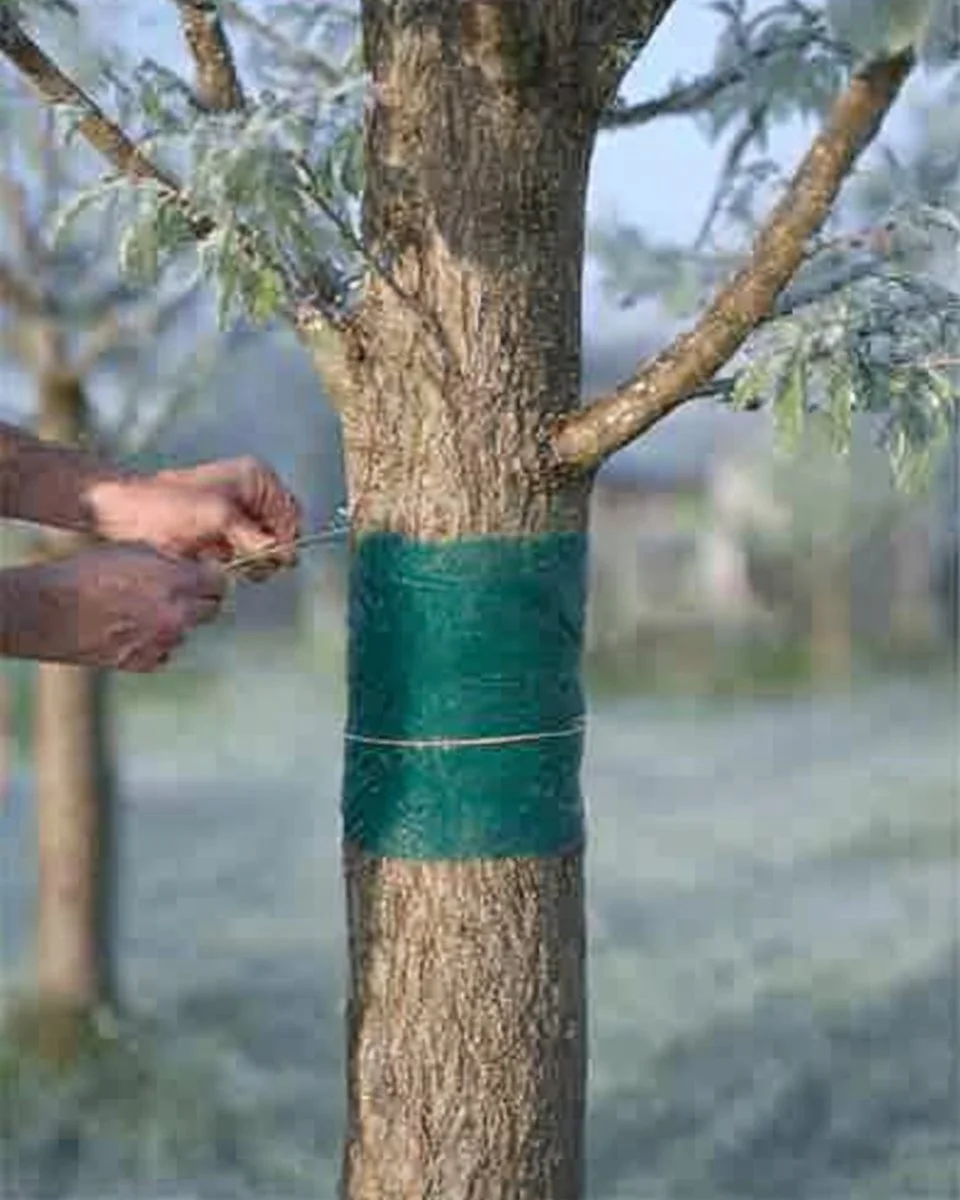
Frequently Asked Questions
What type of mulch works best for winter care?
Wood chips and straw are excellent options as they provide good insulation.
When should I prune my fruit trees?
Pruning is best done just before the trees enter dormancy, usually late fall or early winter.
How can I prevent pests during winter?
Covering your trees with frost cloth or netting can help deter insects from nesting.
Do I need to water my trees in winter?
Yes, especially if there hasn’t been enough moisture in the fall. Water them thoroughly before the ground freezes.
Is it necessary to use fertilizer in winter?
It’s not always essential but can be beneficial for root development if applied correctly.
By following these steps and nurturing your trees with proper winter care for fruit trees, you’ll set the stage for a successful growing season ahead. Enjoy the fruits of your labor come spring!