
Introduction
Have you ever stared out at your small backyard or balcony, yearning for a lush vegetable garden but feeling limited by space? You’re not alone! Many gardeners face the challenge of wanting to grow their own vegetables while working with tight corners or balcony railings. That’s where the beauty of vertical gardening comes in. In this article, we’ll explore 16 Compact Vertical Vegetable Garden Designs for Small Spaces that can transform even the tiniest areas into lush, productive gardens. You’ll learn how to maximize your growing area, utilize creative materials, and choose the right plants for vertical gardening success. Let’s dig in!
Table of Contents
Choosing the Right Vertical Garden Design
When diving into the world of vertical gardening, the first step is choosing the right design that suits your space and lifestyle. The beauty of vertical gardens is their adaptability to different environments, from tiny balconies to small backyards.
Understanding Your Space
Take a moment to assess your available space. Is it mostly sunny, or does it get shaded by nearby trees? Do you have a wall or railing to attach your garden to, or do you need something freestanding? Knowing the unique characteristics of your space will help you select the most suitable designs.
Selecting the Best Plants for Vertical Gardens
Not every vegetable is suited for vertical growing. Lightweight, climbing plants like tomatoes, cucumbers, and peas thrive in vertical setups. Herbs like basil and mint are also great options as they don’t require much space and can add aromatic beauty to your arrangement.
Pallet Gardens: The Perfect Reuse Project
One of the most innovative and eco-friendly ways to create a vertical garden is through pallets. You can find them for free or for a small cost, which makes them a budget-friendly option.
A pallet garden is as simple as filling the slats of the pallet with soil and positioning it against a wall or fence. Within no time, you’ll have a vibrant setup producing fresh herbs, salad greens, or even strawberries. Just remember to treat the wood if it’s untreated to prevent damage from moisture and pests.
Vertical Wall Planters: A Stylish Solution
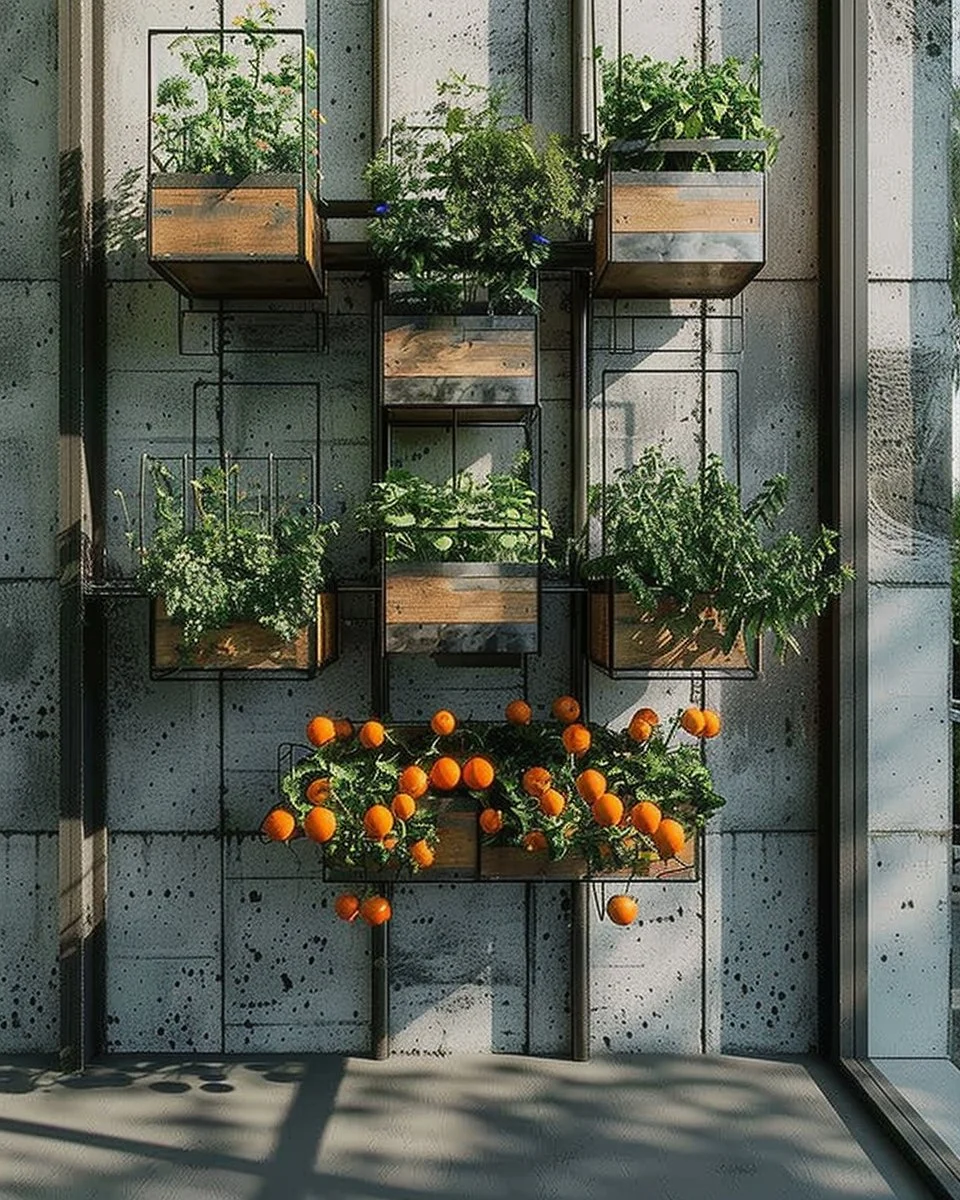
Wall planters come in an array of designs, from pocket-style felt bags to wooden planks with individual pots. These planters not only save space but also add a touch of artistry to your surroundings.
Positioning a wall planter near a sunny area can lead to great success with flowering plants and veggies alike. They’re particularly good for herbs, which can be snipped as needed for cooking.
Use of Trellises for Climbing Vegetables
Trellises are an essential element in vertical gardening, especially for plants that need support.
DIY Trellis Ideas
Creating your own trellis can be a fun DIY project. You can use bamboo stakes, old fencing, or even repurposed window frames to craft a customized support system. Just ensure it’s sturdy enough to hold the weight of mature plants.
Store-Bought Options
If DIY isn’t your style, many garden supply stores offer a variety of pre-made trellises. Look for adjustable options to fit your vertical space needs, providing a robust structure for your climbing crops.
Hanging Baskets: Adding Height and Dimension
When you think of vertical planting, don’t forget about hanging baskets! These can be suspended from hooks, railings, or even overhead beams to create a stunning visual display of colorful plants.
Opt for lightweight and trailing vegetables, like strawberries or ornamental peppers, which will cascade beautifully from the baskets. Plus, they’re an excellent way to make use of under-utilized spaces.
Vertical Food Towers: Efficient Space Savers
Vertical food towers are a fantastic solution for small spaces. These structures maximize vertical height, allowing for multiple plant tiers within a compact footprint.
They can often be rotated for optimum sunlight access, ensuring all your plants thrive. Many designs feature built-in irrigation systems, making it easier to maintain moisture levels, crucial for vegetable growth.
Container Gardening on Vertical Frames
Container gardening can also be adapted vertically. By stacking pots on a vertical frame or rack, you’re making the most out of your vertical space.
This method offers flexibility in plant choice and variety. You can easily swap out plants seasonally or add new favorites without disturbing the original setup. Using containers also simplifies pest management since you can isolate affected plants.
Maintenance Tips for Vertical Gardens
While vertical gardens are rewarding, they do require attention for optimal growth. Here are some essential tips to keep your garden thriving:
Regular Watering: Vertical gardens tend to dry out faster than traditional gardens, so check moisture levels frequently to keep roots hydrated.
Fertilization: Since vertical setups may lack nutrients over time, consider a regular feeding schedule using organic fertilizers or compost.
Pruning: Keep your plants pruned to encourage airflow and sunlight penetration. This practice can help prevent diseases and promotes more fruitful harvests.
Pest Control: In a vertical garden, it can be easy for pests to go unnoticed. Regularly inspect your plants for signs of pests and treat them accordingly, making sure to opt for non-toxic methods whenever possible.
By following these maintenance tips, you can ensure the longevity and productivity of your 16 Compact Vertical Vegetable Garden Designs for Small Spaces!
Conclusion
Navigating the world of compact vertical gardening can seem intimidating, but with the right designs and a little creativity, you can transform even the smallest space into a flourishing vegetable oasis. The 16 Compact Vertical Vegetable Garden Designs for Small Spaces discussed above offer practical solutions to maximize your growing potential while enhancing your space’s aesthetic appeal. So gather your materials, choose your favorite designs, and embark on your vertical gardening adventure. The joy of fresh vegetables is just a few feet higher than you might think!
FAQs
What vegetables grow best in vertical gardens?
Climbing varieties like tomatoes, cucumbers, and peas thrive in vertical gardens, along with herbs like basil and mint.
Can I use any type of wall for vertical gardening?
Yes, as long as the wall is sturdy and can support the weight of the plants. Ensure good sunlight exposure for optimal growth.
How much sunlight do vertical gardens need?
Most vegetables and herbs require at least 6-8 hours of sunlight per day. Position your garden accordingly.
Is vertical gardening suitable for beginners?
Absolutely! Vertical gardening can be beginner-friendly, especially with easy projects like pallet gardens and wall planters.
Do I need special soil for vertical gardens?
Using a high-quality potting mix is recommended, which provides good drainage and nutrients for your plants.