

Introduction
Have you ever tried growing your own spices? If you have, you probably know how rewarding it can be to see something you planted flourish right in your backyard or even on your kitchen windowsill. One spice that has gained immense popularity over the years is ginger. It’s not just a delightful addition to your favorite meals; ginger also offers a plethora of health benefits. In this article, we’ll explore How to Grow Ginger: Tips for Success. Whether you’re aiming for a lively garden patch or just a few pots at home, you’ll learn practical tips and tricks to cultivate this versatile root successfully.
Table of Contents
Choosing the Right Ginger Plant
Types of Ginger
When venturing into the world of growing ginger, the first step is to choose the right variety. There are numerous types of ginger, but the most commonly cultivated is the Zingiber officinale, which is widely used in culinary dishes and for medicinal purposes. You might stumble upon other varieties like Galangal and Turmeric, but they come with different growing requirements and uses. Selecting the right type is crucial for successful cultivation.
Where to Buy Ginger Rhizomes
You can source ginger rhizomes from your local garden center, farmer’s markets, or online plant retailers. Make sure to choose organic rhizomes to avoid any chemicals that could inhibit growth. Freshness is key; look for plump, firm pieces that show signs of budding. These will give you the best chance of a thriving ginger plant.
Preparing the Growing Environment
Ideal Soil Conditions
Ginger thrives in well-draining, loamy soil enriched with organic matter. A pH level between 5.5 and 6.5 is ideal. If you’re prepping your garden or potting soil, consider adding compost or aged manure to improve texture and nutrient content. Have you ever seen that rich, earthy blend at the garden store? That’s your friend when growing ginger!
Choosing the Right Container
If you’re short on space, don’t fret! Ginger does wonderfully in containers. Choose a pot that’s at least 12 inches deep to allow the roots to spread. Ensure it has adequate drainage holes. Raised beds also work well if you want to plant a larger quantity and keep the soil less compacted.
Planting Ginger
How to Prepare Planting Materials
Before planting, soak your ginger rhizomes in water for a few hours. This encourages sprouting and helps with hydration. It’s a simple tip, but it can make a significant difference in growth. Once soaked, cut the rhizomes into pieces with at least one eye (the bud) on each piece.
Ideal Planting Techniques
Plant your ginger pieces about 2 inches deep in the soil, with the buds facing upwards. Space them around 12 inches apart to allow room for growth. If planting in a container, keep the same depth and spacing in mind. After planting, water them well but avoid waterlogging—maintaining just the right moisture level is key to success.
Caring for Your Ginger Plants
Watering and Fertilization
Ginger loves moisture but dislikes soggy soil. Water them consistently, allowing the top inch of soil to dry out between waterings. Fertilize every four to six weeks with a balanced, organic fertilizer to provide the nutrients essential for root development. A little trick is to use a diluted liquid fertilizer, giving your plants just a gentle boost.
Managing Pests and Diseases
Keep an eye out for pests such as aphids and spider mites. Regularly inspecting your plants can help catch these early. If you notice any signs of disease, such as yellowing leaves or wilting, act immediately. Remove affected leaves and consider using organic solutions, like neem oil, to treat your ginger.
Harvesting Ginger
When to Harvest
One of the most exciting parts of growing ginger is the harvest. Generally, you can begin harvesting after about 8-10 months, depending on growing conditions. If you want younger, more tender ginger, you can start harvesting around 4-6 months. The leaves will start to die back, signaling that it’s time to dig in!
How to Harvest Properly
To harvest, gently dig around the base of the plant with a spade or your hands to loosen the soil. Be careful not to damage the rhizomes. Pull them out and brush off any excess soil. You can use the larger pieces for immediate culinary use and replant the smaller, healthy rhizomes for your next crop.
Storing and Using Harvested Ginger
Methods for Storing Ginger
After your hard work growing and harvesting ginger, you’ll want to store it properly. Fresh ginger can be kept in the refrigerator, unpeeled and wrapped in a paper towel or plastic bag for up to a few weeks. Alternatively, you can freeze pieces for longer storage. Just be sure to peel any frozen ginger before use, as it will become quite soft once thawed.
Culinary Uses of Ginger
Ginger is a culinary powerhouse. You can use it fresh, dried, or ground in countless recipes—think curries, teas, smoothies, or baked goods. Have you ever made a ginger tea that warms you up on a chilly day? It’s amazing how versatile this spice truly is! Experiment with it in your kitchen and discover new flavors.
Troubleshooting Common Issues
Expected Challenges
Even the most seasoned gardeners face challenges. Ginger may occasionally suffer from root rot if overwatered or become stunted in growth due to insufficient sunlight. The good news? Identifying the issue often helps you find the solution before it becomes a big problem.
Solutions for Healthy Growth
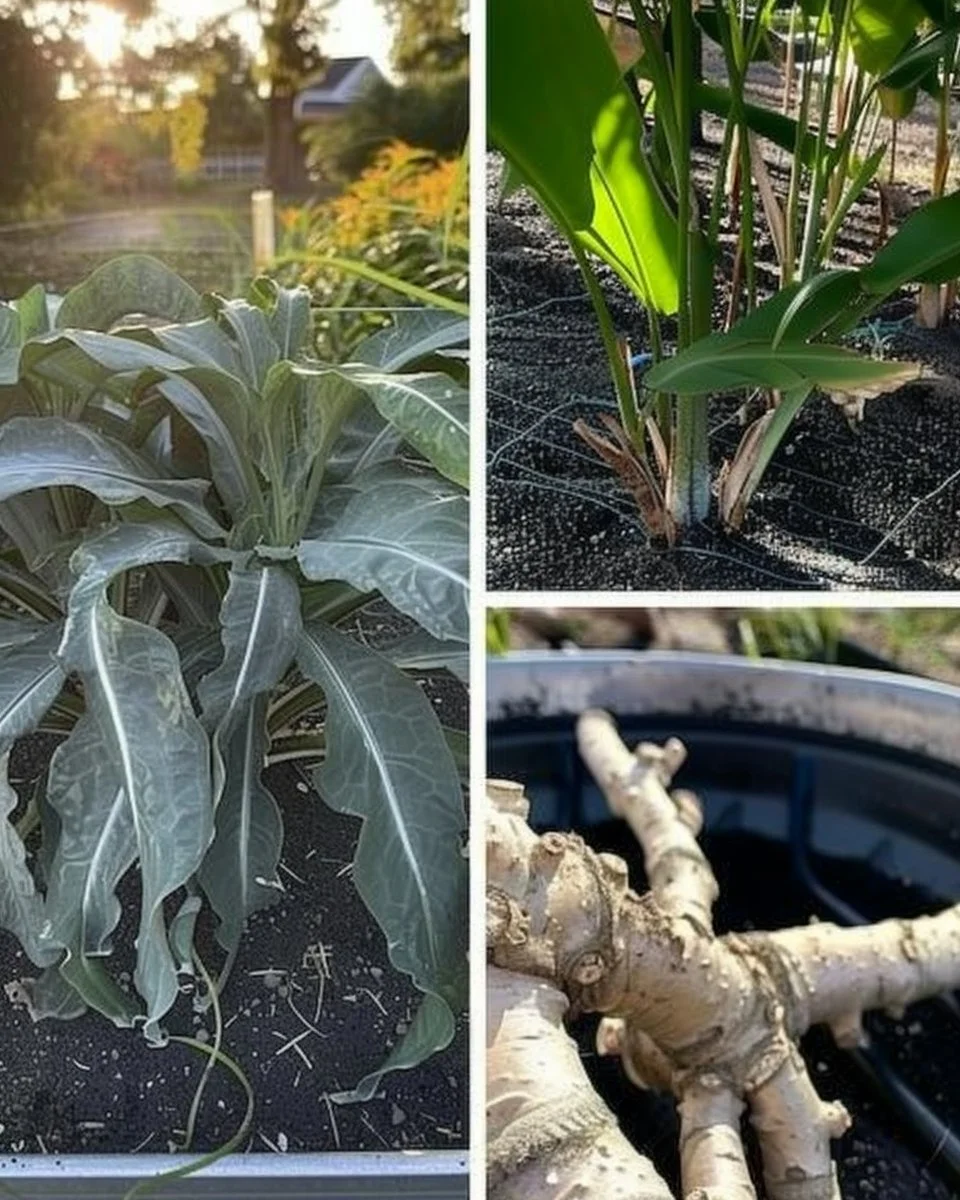
If you’re facing challenges, try adjusting your watering routine or moving your pots to a sunnier spot. Regularly monitor your plants and adjust your care techniques accordingly. Growing ginger can be a learning experience, but with the tips we shared on How to Grow Ginger: Tips for Success, you’ll be on the right path!
Conclusion
Growing ginger can be a richly rewarding experience that enhances your culinary creations while offering health benefits. From choosing the right varieties to harvesting and storing, the journey of cultivating ginger is both exciting and fulfilling. Remember, patience is pivotal—this isn’t just about the end result; it’s about the joy of gardening along the way. So gather your materials, dig in, and let’s grow some ginger together!
FAQs
How long does it take for ginger to grow?
Ginger typically takes around 8-10 months to mature, but you can start harvesting younger ginger at about 4-6 months.
Can I grow ginger indoors?
Absolutely! Ginger does well in containers, making it perfect for indoor gardening. Just ensure it gets plenty of indirect light.
What do I do if my ginger leaves turn yellow?
Yellowing leaves can be a sign of overwatering. Make sure your ginger isn’t waterlogged, and allow the soil to dry a bit between waterings.
Is it necessary to fertilize ginger?
Yes, fertilizing every four to six weeks will provide the necessary nutrients for healthy growth and a robust harvest.
Can I propagate ginger from store-bought rhizomes?
Yes, as long as the rhizomes are fresh and have visible eyes. You can plant them just like you would with a nursery-bought rhizome.