
Introduction
Have you ever stepped into a friend’s garden and felt an instant lift in your mood? The vibrant colors, the sweet fragrance, and the buzzing of bees create such an inviting atmosphere. Adding cut flowers to your garden not only brightens your outdoor space but also provides fresh blooms for your home. In this guide, we’ll explore 60 Popular Cut Flower Garden Ideas to Transform Your Backyard – Homestead Gardener, ensuring your garden is as beautiful as it is productive.
From creating lush bouquets to designing stunning floral arrangements, you’ll learn practical tips and creative ideas for growing cut flowers that thrive in your backyard. Let’s dive in!
Table of Contents
Choosing the Right Flowers for Cutting
When it comes to constructing a beautiful cut flower garden, the first step is deciding which flowers to grow. This can be exciting, but it also requires some thought.
Annuals vs. Perennials
You’ll want to mix annuals and perennials in your garden for continuous blooms. Annuals, like zinnias and cosmos, provide vibrant colors quickly but only last for one season. Perennials, such as peonies and coneflowers, establish a lasting presence in your garden, coming back year after year. A good combination ensures you’ll have a steady supply of flowers for cutting throughout the growing season.
Seasonal Considerations
Think about your climate and when flowers bloom in your area. Some flowers like tulips bloom early in the spring, while roses and sunflowers flourish in the summer. Knowing the flowering timeline is crucial for planning the layout of your garden. Have you ever wondered how some gardens always seem to be in bloom? It’s all about strategic planting!
Planning Your Flower Garden Layout
Once you’ve chosen your flowers, it’s time to layout your garden thoughtfully.
Design Ideas and Techniques
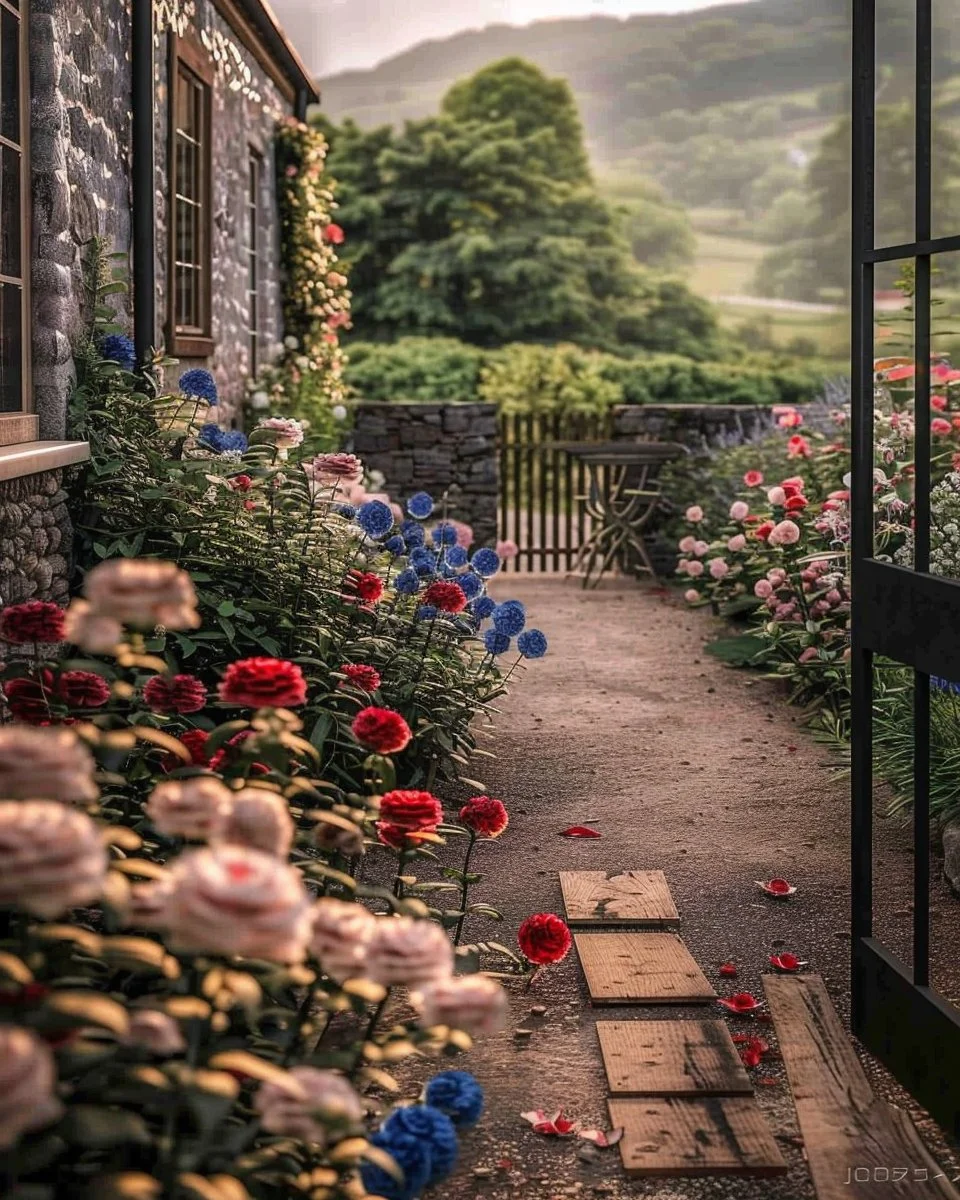
Consider raised beds, which allow for better drainage and soil control. You might also want to arrange flowers by height, with taller varieties at the back and shorter ones upfront. This not only looks beautiful but makes it easier to access and harvest flowers. Visualize a captivating garden with paths or stepping stones, creating an inviting atmosphere conducive to enjoyment as well as productivity.
Companion Planting
Mixing flowers with herbs and vegetables can be beneficial. Some flowers repel pests, helping protect your edible plants, while others attract pollinators. For example, marigolds are excellent companions for many garden plants, and their vibrant blooms also add a pop of color to your space.
Preparing and Maintaining Soil
Great flowers start with healthy soil. Ensure your soil is prepped correctly for optimal growth.
Soil Testing and Amendment
Start with a soil test to understand its pH and nutrient levels. Based on the results, you might need to amend your soil with organic matter, compost, or fertilizers. Healthy soil is the foundation for vibrant blooms!
Fertilizing Tips for Flower Gardens
Use a balanced fertilizer according to the needs of your chosen flowers. Always follow recommended rates to avoid burning the roots. Regularly refreshing your soil with organic compost can help maintain moisture and nutrients.
Best Practices for Cutting Flowers
Knowing how to properly cut your flowers is essential to keep them thriving in arrangements.
When to Cut Flowers
The best time to cut flowers is early in the morning when they’ve had a chance to hydrate overnight. Look for blooms that are just starting to open; this ensures they’ll last longer in your arrangements.
Tools You’ll Need
Invest in good-quality pruning shears, a bucket to hold water, and sharp scissors for more delicate jobs. Keeping tools clean and sharp will make the cutting process quick and efficient.
Creating Stunning Flower Arrangements
Once you’ve harvested your flowers, it’s time to showcase them!
Care for Your Cut Flowers
Before arranging, trim the stems at an angle and remove any leaves that will sit below the waterline to prevent rot. Use clean water and consider adding flower food to keep your arrangements fresh for longer.
Ideas for Creative Arrangements
Don’t be afraid to get creative! Mix different shapes, sizes, and colors for dynamic arrangements. You can make themed bouquets for holidays or personal celebrations, such as soft pastels for a spring gathering or bright colors for a summer barbecue.
Seasonal Flower Gardens
Different seasons bring various opportunities to grow beautiful cut flowers.
Spring Bloomers
Spring is the time for tulips, daffodils, and peonies. These flowers can make your garden feel like a blooming paradise and are perfect for Easter bouquets.
Summer Hits
In the summer, sunflowers, zinnias, and dahlias are in full swing. Their bold colors and sizes can create a stunning visual impact in your flower beds and arrangements.
Autumn Beauties
As fall approaches, consider planting asters and chrysanthemums, which will give your garden a warm fall feel. These flowers can also be used in Thanksgiving arrangements!
Winter Considerations
While many flowers die off in the winter, you can plant winter blooms like hellebores and winter jasmine, which bring life to winter landscapes and can be cut for indoor arrangements.
Attracting Pollinators to Your Flowers
Creating a vibrant cut flower garden isn’t just for your aesthetic pleasure—it’s also beneficial for local wildlife.
Flower Selection for Bees and Butterflies
Choose flowers that attract pollinators such as sunflowers, lavender, and bee balm. These plants don’t just beautify your garden; they support essential pollinator populations.
Creating a Pollinator-Friendly Environment
Consider incorporating native plants in your garden design. They provide food for local wildlife and require less maintenance compared to non-native species.
Troubleshooting Common Flower Growing Issues
Even experienced gardeners encounter challenges.
Pests and Diseases
Be on the lookout for common pests like aphids and spider mites. Regularly check your plants and consider organic pest control options when needed.
Weather Challenges
Adapt your garden plans according to weather conditions—if a drought is on the horizon, be prepared to water and mulch effectively to conserve moisture.
Conclusion
Building a cut flower garden is an enriching experience that can significantly transform your backyard. With the 60 Popular Cut Flower Garden Ideas to Transform Your Backyard – Homestead Gardener, you have the tools and knowledge to create a flourishing space filled with beauty, fragrance, and joy. Stay committed to regular maintenance, explore diverse planting options, and your garden will become a stunning showcase for fresh blooms year-round. Get ready to transform your garden and bring a little joy into your life!
FAQs
What are the best flowers for cutting?
Some favored cut flowers include sunflowers, dahlias, zinnias, and roses, as they provide beautiful blooms and strong stems.
How do I ensure my cut flowers last longer?
Trim stems at an angle, remove lower leaves, and use clean water. Consider adding flower food for additional nutrients.
Can I grow flowers for cutting in pots?
Absolutely! Many flowers do well in containers, so you can easily grow a cut flower garden on your patio or balcony.
What is companion planting, and why is it important?
Companion planting involves growing different plants together for mutual benefits, like pest control and improved growth. It’s an effective strategy for keeping flowers and vegetables healthy.
When is the best time to cut flowers for arrangements?
Early morning is ideal when flowers are hydrated, and blooms are beginning to open. This ensures a longer-lasting arrangement.