
Introduction
Have you ever stood in your kitchen, longing for fresh herbs to elevate your meals, only to find yourself staring at a barren countertop? You’re not alone! Many home cooks dream of having a mini herb garden at their fingertips, but the thought of growing herbs indoors can feel a bit daunting. Fortunately, it doesn’t have to be! In this guide, you’ll learn exactly how to grow herbs indoors, from choosing the right plants to optimal care tips that will ensure your herbs flourish throughout the seasons. Get ready to bring the vibrant flavors and fragrances of fresh herbs into your home!
Table of Contents
How to Choose the Right Herbs
When thinking about how to grow herbs indoors, the first step is selecting the right herbs. Not all herbs are created equal when it comes to indoor gardening, as some thrive better in confined spaces.
Indoor Friendly Options
Herbs like basil, parsley, chives, and mint are perfect for indoor growth. These varieties are typically compact, and their vibrant flavors can easily liven up any dish.
Understanding Growth Requirements
Different herbs have specific sunlight and water needs. For instance, basil loves bright light and consistent watering, while chives prefer a slightly drier environment. Understanding these requirements will set you on the path to success.
Selecting Appropriate Containers
Choosing the right container is crucial in your indoor herb journey. Proper drainage and size are key factors in ensuring healthy herbs.
Drainage Considerations
It’s essential to choose pots with drainage holes to prevent water from pooling, which can lead to root rot. Consider adding a layer of pebbles at the bottom of your pots for extra drainage.
Size and Material Options
When selecting containers, aim for pots that are at least 6-8 inches in diameter. Terracotta and ceramic pots are excellent choices as they allow moisture to evaporate and prevent overwatering.
Optimal Lighting Conditions
Lighting is one of the most critical elements in how to grow herbs indoors successfully. Without sufficient light, your herbs might become leggy and weak.
Natural Light vs. Artificial Light
If you have sunny windowsills, utilize them! Most herbs need around 6-8 hours of sunlight each day. If natural light is scarce, consider investing in grow lights to simulate sunlight.
Positioning Your Herbs
Position your herbs close to the window where they’ll receive the most light. If you notice that they lean towards the window, it may be time to rotate them to grow evenly.
Watering Techniques and Best Practices
Watering can be tricky; it’s one of the most common hurdles when learning how to grow herbs indoors.
Signs of Overwatering
Watch for yellowing leaves, which can indicate overwatering. Ensure that your herbs are on a watering schedule suited to their needs, and always check the soil moisture before watering.
Creating the Right Watering Schedule
As a general rule of thumb, water your herbs when the top inch of soil feels dry. The frequency will depend on the type of herb and conditions.
Soil and Nutrients for Healthy Growth
The right soil can make a world of difference in your herb garden.
Potting Mix Recommendations
A high-quality potting mix designed for herbs or vegetables is ideal. Look for one that is well-draining, as this will support strong root growth.
Fertilization Tips
Using a balanced, water-soluble fertilizer every few weeks can help nourish your herbs. Be sure to follow the instructions on the package for applying the fertilizer to avoid overdoing it.
Pruning and Harvesting Your Herbs
Keeping your herbs pruned encourages robust growth and ensures a constant supply of fresh herbs for your culinary adventures.
Best Practices for Pruning
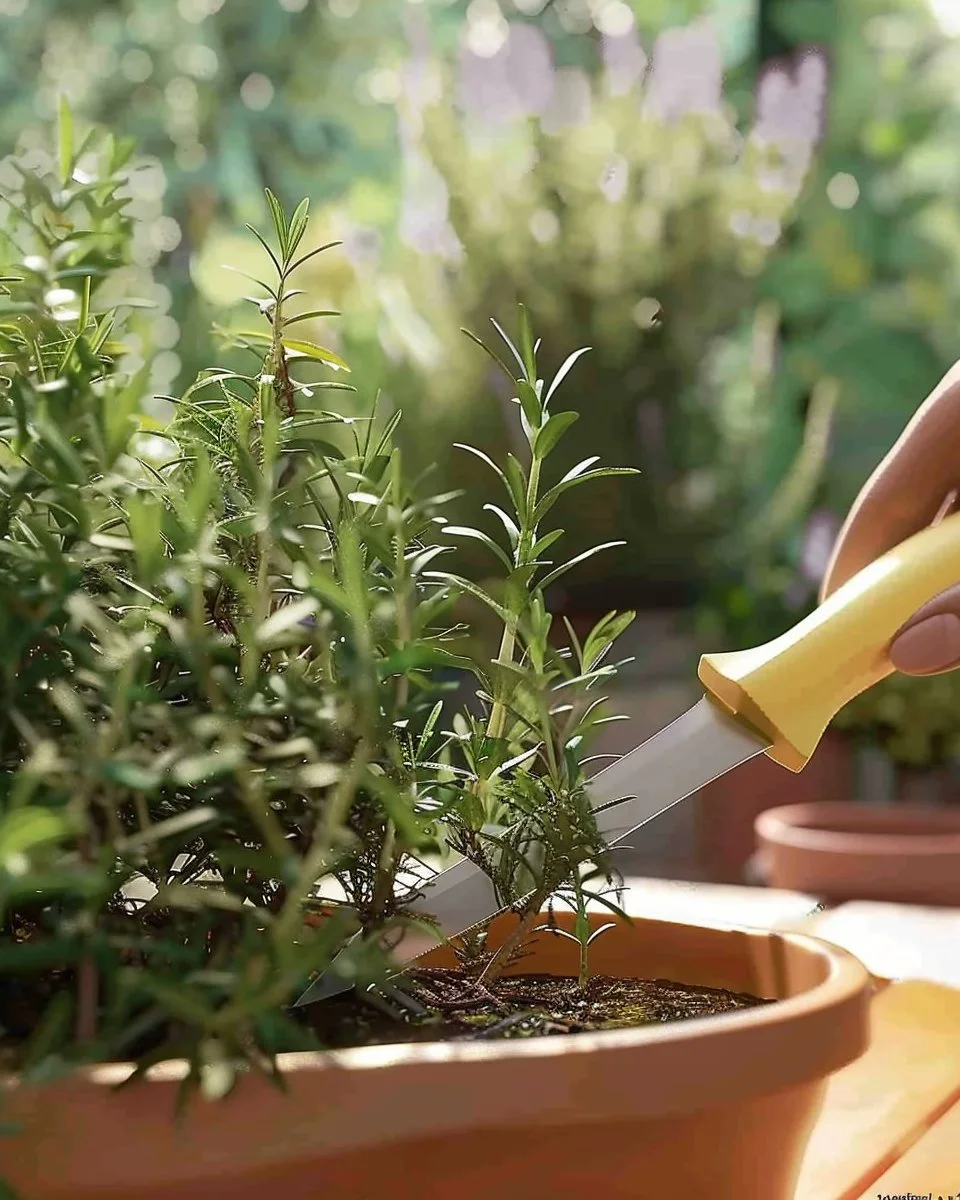
Start pruning once your herb plants have enough foliage. Generally, aim to remove the top third of the plant. This will encourage branching and result in a bushier plant.
How to Harvest Without Killing Your Plants
Use clean scissors to snip leaves or stems rather than pulling them. This encourages new growth and prevents damage.
Troubleshooting Common Indoor Herb Issues
Even seasoned indoor gardeners face challenges. Let’s explore some common problems and solutions.
Pest Control Strategies
Common pests like aphids can be a nuisance. A simple mixture of water and mild soap sprayed on the affected areas can help eliminate these unwanted guests.
Overcoming Growth Problems
If your herbs aren’t growing well, reassess their environment. Factors like inadequate light, improper watering, or poor soil can significantly impact growth. Adjust as needed!
Conclusion
Growing herbs indoors can be an incredibly rewarding experience. By selecting the right plants, providing optimal care, and paying attention to their needs, you can enjoy fresh herbs at your fingertips all year round. Remember, practice makes perfect, and don’t be afraid to learn from any mistakes along the way. So, roll up your sleeves and dive into this exciting adventure of how to grow herbs indoors!
FAQs
1. Can I grow herbs indoors without sunlight?
Yes! If you lack natural sunlight, invest in grow lights to ensure your herbs receive the right nutrients for growth.
2. How often should I water my indoor herbs?
Typically, water when the top inch of soil feels dry, but this may vary based on the herb type and indoor conditions.
3. What herbs are easiest to grow indoors?
Basil, parsley, and chives are among the easiest and most forgiving herbs for indoor growing.
4. Do I need to fertilize my indoor herbs?
Yes, using a balanced, water-soluble fertilizer every few weeks can help promote healthy growth.
5. How can I tell if my herb plant is healthy?
Healthy herbs will have vibrant green leaves, sturdy stems, and a growth pattern that is bushy rather than leggy.