
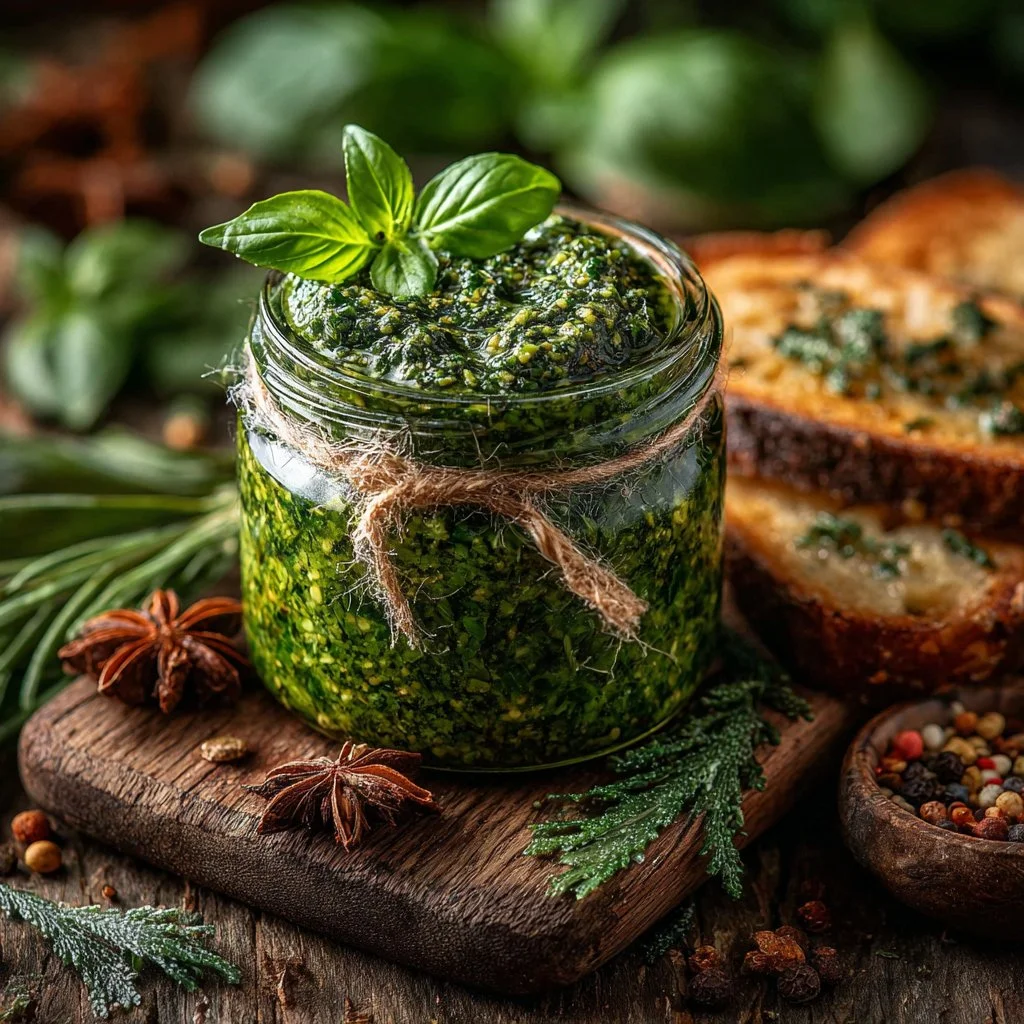
Introduction to Zero-Waste Garden Pesto
Have you ever looked at your garden or local farmer’s market and felt overwhelmed by an abundance of herbs? Or maybe you’ve found leftovers that could be transformed into something delicious but didn’t know how? If you’re nodding your head, then you’re in for a treat with this recipe for Zero-Waste Garden Pesto. This homemade delight not only elevates your meals but also pays homage to sustainability by ensuring that no part of your fresh ingredients goes to waste.
What makes this recipe so special is that it encourages creativity and versatility in using leftover herbs, greens, and even vegetable scraps. Whether you have a bumper crop of basil or a small handful of parsley, this pesto can adapt to whatever you have on hand. Plus, it’s incredibly easy to make, requiring just a handful of basic ingredients and a bit of love. Picture this: a vibrant, flavorful pesto that brightens up pasta, sandwiches, and vegetable dishes, all while keeping waste to a minimum. The journey to crafting your very own Zero-Waste Garden Pesto begins here, turning what might otherwise go into the compost bin into a culinary experience that’s as delicious as it is responsible.
Imagine the rich, garlicky aroma wafting through your kitchen as you blend together fresh herbs, nuts, and oil into a thick, luscious paste. You’ll not only relish in its delightful flavor but also feel good about contributing to a more sustainable lifestyle. But wait—there’s more! The combination of ingredients can be tailored to your tastes, and it’s so flexible that every batch can taste a little different. Ready to dive in? Let’s explore the key benefits of making your own Zero-Waste Garden Pesto.
Table of Contents
Key Benefits of Zero-Waste Garden Pesto
Why You’ll Love This Recipe
- Unique Flavor Profiles: Use different herbs and nuts based on what you have for a unique taste.
- Quick and Simple: This recipe takes no time at all—perfect for a busy weeknight.
- Healthy and Nutritious: Packed full of vitamins from the fresh greens and healthy fats from nuts.
- Versatile Uses: Great on pasta, sandwiches, and even as a dip for veggies.
- Sustainable Cooking: A fantastic way to reduce food waste while enjoying fresh flavors.
- Homemade Goodness: No fillers or preservatives, just pure, delightful ingredients at their best.
What Makes It Stand Out
Zero-Waste Garden Pesto is not just your average pesto; its originality lies in its ability to adapt to what’s available. Whether you are growing your herbs or purchasing them at a local market, the recipe allows you to play around with flavors and textures. Plus, it’s an excellent way to introduce children to cooking and the significance of reducing waste.
One of the best occasions to serve this pesto is during gatherings when the focus is on fresh, vibrant dishes. It is also ideal for meal prep, allowing you to whip up delicious meals during a busy week. The ability to customize flavors means it can suit any palate or dietary preference, making it a hit for family dinners or casual get-togethers.
Ingredients for Zero-Waste Garden Pesto
Complete Ingredient List with Measurements
- 2 cups fresh herbs (basil, parsley, or a mix)
- 1/2 cup nuts (pine nuts, walnuts, or almonds)
- 1/2 cup grated Parmesan cheese (optional)
- 3 cloves garlic, peeled
- 1/2 cup olive oil
- Juice of 1 lemon
- Salt and pepper to taste
Substitutes and Alternatives
If you have allergies or dietary restrictions, there are simple alternatives available. For those who are nut-free, seeds such as sunflower or pumpkin seeds can be excellent substitutes. If you’re dairy-free, consider skipping the Parmesan or using a nutritional yeast alternative for a similar cheesy flavor without the dairy.
For those who prefer a different flavor angle, you could also try roasted or sautéed garlic instead of raw. This will soften the sharpness and lend a sweeter, milder flavor to your pesto.
How to Make Zero-Waste Garden Pesto – Step-by-Step Directions
Step 1 – Prepare Ingredients
Start by washing your fresh herbs thoroughly. Pat them dry with a towel to remove excess moisture. If your herbs have thick stems, consider removing them as they can make the pesto grainy. Chop your herbs coarsely to ensure they blend evenly.
Step 2 – Cook the Base
In a food processor, add the prepared herbs, garlic, and nuts. Pulse briefly to break the ingredients down into small pieces without over-mixing.
Step 3 – Add Cheese and Lemon Juice
Add the grated Parmesan cheese (if using) to the mix along with the lemon juice. Pulsing again will blend the flavors together while keeping the texture chunky.
Step 4 – Stream in Olive Oil
While the food processor is running, slowly drizzle in the olive oil. This step helps emulsify the oil into the mixture, creating a smooth and creamy pesto.
Step 5 – Adjust Seasoning
After your pesto comes together, taste it! Add salt and pepper as needed. Remember, the flavors will deepen as they sit, so season cautiously.
Step 6 – Store the Pesto
Transfer the pesto to a clean jar or container for storage. To prevent browning, consider drizzling a thin layer of olive oil on top before sealing.
Step 7 – Refrigerate or Freeze
If you plan to use the pesto in a week or so, refrigerate it. For longer storage, consider freezing it in ice cube trays for easy portioning later.
Step 8 – Thaw and Serve
When you want to use the frozen pesto, simply remove the cubes and thaw them in the refrigerator overnight or heat them gently before serving.

Serving Suggestions for Zero-Waste Garden Pesto
Best Occasions to Serve This Dish
Zero-Waste Garden Pesto shines at dinner parties, summer barbecues, or as a quick weeknight dinner solution. Serve it tossed with freshly cooked pasta, as a spread on artisan bread, or mixed into roasted vegetables for an elevated touch.
Its fresh, vibrant flavor makes this a welcome addition to any dish, particularly during warm weather when basil is in season and picnic gatherings are on the rise.
What to Serve With It
Pair your pesto with grilled chicken or fish for a balanced meal. It also works wonderfully as a sauce for pizza, adding a fantastic herby flavor to the crust. Consider serving it with fresh pita bread and a selection of veggies for a delightful dipping platter, perfect for entertaining guests.
How to Store Zero-Waste Garden Pesto Properly
Best Storage Practices
For optimal freshness, store your Zero-Waste Garden Pesto in an airtight container in the refrigerator. It can last up to a week, but be sure to check for any signs of spoilage before use.
If you have excess that you can’t finish in time, freezing is your best bet. Pour the pesto into an ice cube tray, and once frozen, transfer the cubes to a resealable bag. This method allows for easy portioning later.
Reheating and Freezing Tips
When you’re ready to use your frozen pesto, remove the desired amount from the freezer and place it in the refrigerator to thaw overnight. If you’re in a hurry, you can also microwave it in short intervals (15-20 seconds) until warmed through.
Avoid boiling the pesto in water as this can diminish its fresh flavor and vibrant color.
Tips & Tricks for Zero-Waste Garden Pesto
Mistakes to Avoid
- Over-Blending: Pulsing too much can lead to a paste-like texture rather than a chunky pesto.
- Using Old Ingredients: Freshness is key! Make sure your herbs and other ingredients are fresh for the best flavor.
- Neglecting to Taste: Always taste and adjust seasoning before storing or serving to ensure flavor balance.
- Skipping the Acid: A squeeze of lemon juice brightens the flavors; don’t skip this step!
- Ignoring Storage Guidelines: Properly stored, your pesto will have a longer shelf life.
Extra Tips for Better Results
For an extra burst of flavor, consider roasting your garlic before adding it to the mix. Roasting sweetens the garlic, giving your pesto a lovely richness. Furthermore, incorporating different nuts and seeds can create unique flavor dimensions; try pecans or hazelnuts for a nutty twist.
Recipe Variations of Zero-Waste Garden Pesto
Creative Twists
- Spicy Pesto: Add a pinch of red pepper flakes for a spicy kick.
- Nut-Free Pesto: For a creamier version, replace nuts with avocado for a rich texture.
- Greens Galore: Experiment with leafy greens besides basil—arugula, kale, or spinach work wonderfully and pack extra nutrients.
- Herby Adventures: Mix in different herbs like cilantro or dill for a unique twist.
Dietary Adjustments
This recipe can be made dairy-free by omitting cheese or using a plant-based alternative like nutritional yeast. For a gluten-free serving, just ensure your pairing options are confirmed gluten-free, like utilizing gluten-free pasta.
Conclusion about Zero-Waste Garden Pesto
In a world where sustainability is becoming increasingly important, making your own Zero-Waste Garden Pesto is a noteworthy step toward reducing culinary waste and indulging in fresh, vibrant flavors. It’s more than just a simple recipe; it’s a philosophy that embraces creativity in the kitchen, ensuring that every part of your fresh produce is utilized. From leftovers to fresh herbs, the versatility of this dish allows you to experiment and personalize it according to your taste.
So why not give this recipe a try? Not only will you enjoy a delicious homemade condiment that can elevate your meals, but you’ll also take a stand for sustainability. Embrace the joy of cooking while making a positive impact. Go ahead, dive into the scrumptious world of Zero-Waste Garden Pesto—you won’t regret it!
FAQs about Zero-Waste Garden Pesto
How do I store leftover pesto?
Store any leftover pesto in an airtight container in the refrigerator for up to a week.
Can I make pesto ahead of time?
Yes! Pesto can be made several days in advance and stored for later use.
What can I substitute for Parmesan cheese?
Nutritional yeast is a great dairy-free alternative that provides a cheesy flavor without the milk.
How can I prevent my pesto from turning brown?
A thin layer of olive oil on top can help preserve the color, as well as keeping it tightly sealed.
Can I freeze pesto?
Absolutely! Pour pesto into ice cube trays, freeze, and transfer to a resealable bag for longer storage.
What can I serve with pesto?
Pesto pairs fantastically with pasta, grilled vegetables, sandwiches, and as a dip for fresh veggies.
What greens can I use besides basil?
Try using parsley, cilantro, spinach, or arugula for unique flavor profiles.
How do I adjust the flavor if it’s too strong?
If the flavor is too intense, adding a bit more olive oil or lemon juice can help mellow it out.