
Introduction
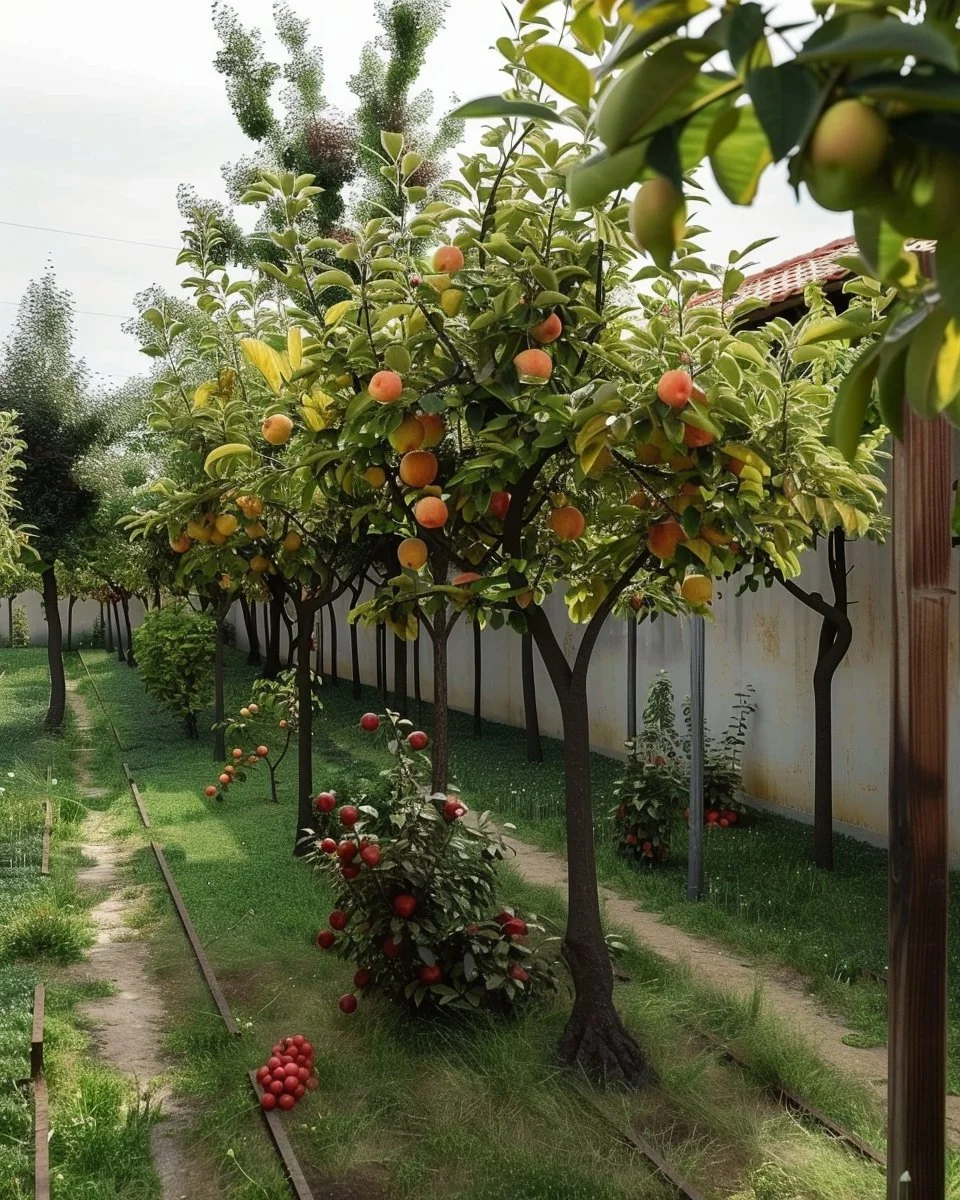
Have you ever stepped into a backyard orchard and been awestruck by the vibrant fruits hanging from the branches? It’s like stepping into a living painting, filled with colors, scents, and life. For those of us who appreciate nature’s bounty, an orchard can be a delightful addition to our homes. You might think that creating an orchard is a luxury reserved for rural areas, but that’s far from the truth! Whether you have a sprawling yard or a tiny balcony, there are plenty of ways to incorporate 15+ creative orchard ideas for your home into your space. In this article, you’ll learn innovative ways to design, plant, and maintain your orchard, tailored to fit into various lifestyles and spaces.
Table of Contents
Creating a Space for Your Orchard
Choosing the Right Location
The first step in transforming your home landscape into an orchard begins with selecting the right spot. Ideally, you want an area that gets ample sunlight—around six to eight hours a day is perfect for most fruit trees. If you have limited space, platforms like balconies and patios can be candidacy spots too. Consider a space that allows for good airflow to help prevent diseases that can plague dense orchards. A personal anecdote—when I first attempted to cultivate my backyard orchard, I foolishly chose a shady corner. Only after a season of minimal growth and fruit did I realize the impact of sunlight!
Soil Preparation Essentials
Once you’ve settled on the ideal location, it’s time to prepare the soil. Testing your soil for pH and nutrient levels is crucial, as different fruits thrive in various soil conditions. Generally, a pH between 6.0 and 7.0 works well for most fruit trees. Amend your soil with organic matter, such as compost or well-rotted manure, to improve texture and fertility. This foundational work can lead to an abundant harvest in the future. Don’t forget to till the soil well to aerate it—your plants will thank you later!
Selecting the Right Trees and Plants
Dwarf Fruit Trees for Small Spaces
Having a small yard shouldn’t deter you from planting an orchard. Dwarf fruit trees are perfect for limited spaces, allowing for a full harvest without taking over your garden. Varieties such as dwarf apple, cherry, and peach trees can thrive in containers and are manageable for small spaces. When choosing your trees, consider the mature height and spread to avoid overcrowding.
Companion Planting for Healthier Yields
Companion planting can maximize your orchard’s productivity while minimizing pests. For instance, planting basil near stone fruits can enhance flavor and deter insects. Marigolds are another fantastic companion as they attract beneficial insects and add a splash of color. This method not only helps your plants thrive but also creates a lively, diverse ecosystem right in your backyard.
Designing Your Orchard Aesthetically
Pathways and Seating Areas
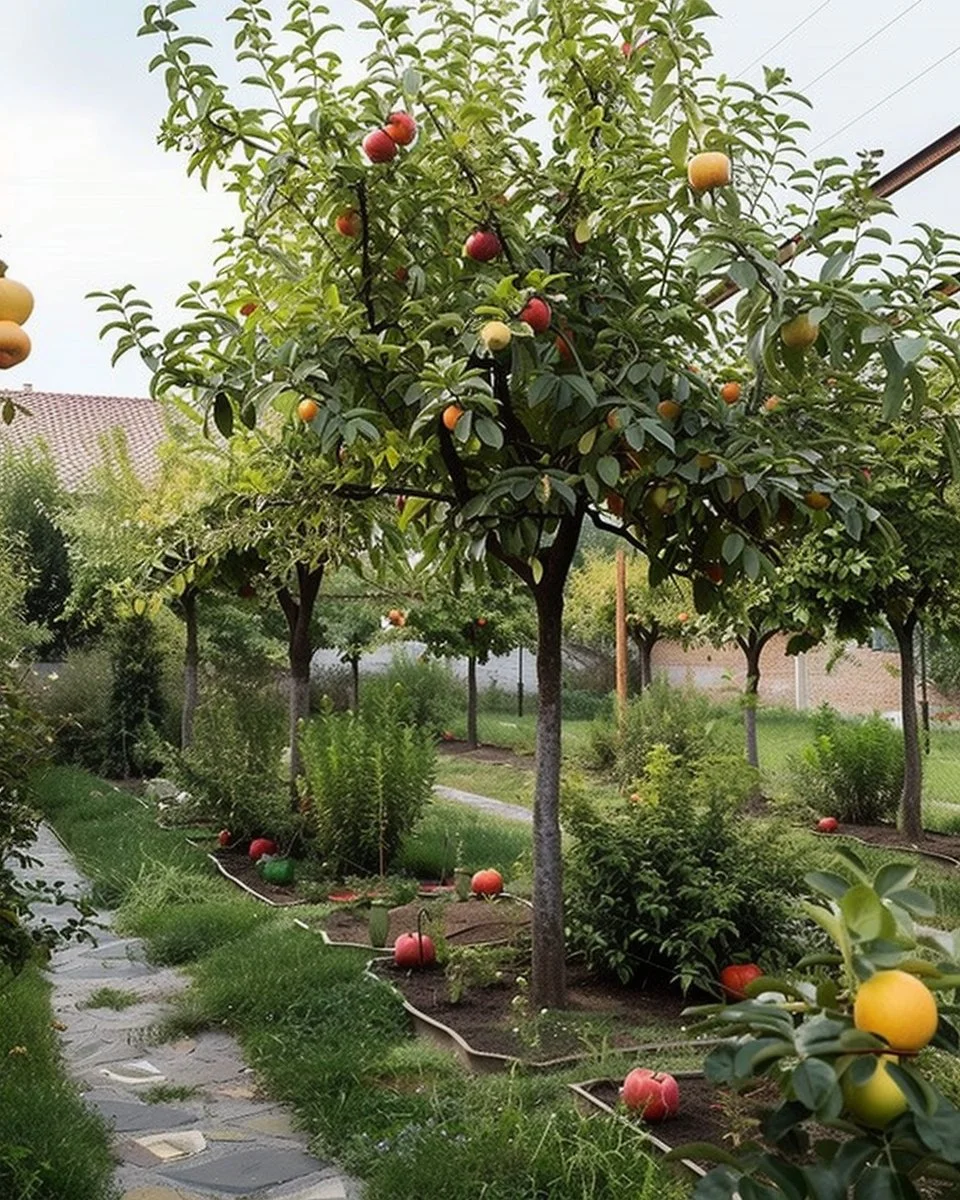
An orchard isn’t just about productivity; it’s also about enjoying the beauty of nature. Consider adding winding pathways made of mulch, gravel, or stones to create visual interest. Adding a cozy seating area with benches or a picnic table invites family and friends to relax and enjoy the fruits of your labor. Imagine hosting a small gathering under the shade of your trees, sharing fresh fruit right from your orchard!
Thematic Orchard Design Ideas
You might want to give your orchard a theme to create an inviting atmosphere. A Mediterranean orchard could feature olive trees and citrus plants with terracotta pots, while a Victorian style might include ornate trellises and climbing vines. Adding decorative elements like birdhouses or whimsical signs can personalize your orchard and reflect your style.
Maintaining Your Orchard
Seasonal Care Tips
To keep your orchard thriving, seasonal maintenance is essential. In the spring, focus on pruning to promote healthy growth and fruit production. During the summer, ensure regular watering, especially in hot conditions. As fall approaches, be mindful of harvesting your fruits at the right time to ensure peak flavor. Winter prep is vital; protect young trees from frost and consider mulching to insulate their roots.
Pest Control Strategies
Every gardener faces the pest dilemma, but with proper strategies, you can protect your orchard. Regularly inspecting your plants for signs of pest activity can help catch issues early. Introducing beneficial insects like ladybugs can naturally keep harmful pests in check. Additionally, using organic sprays can mitigate infestations without harming the environment.
Harvesting and Enjoying Your Produce
Creative Recipes Using Orchard Fruits
Once your trees start producing, the real fun begins! Incorporating fresh fruits into your meals can turn any dish into a delightful experience. Think about creating fruit-infused water, baking fresh pies, or making jams to preserve your harvest and enjoy it year-round. Did I mention homemade fruit preserves make fantastic gifts? Sharing the harvest of your small orchard can build connections with neighbors and friends.
Preserving Your Orchard’s Bounty
Beyond enjoying fresh fruit right off the tree, preserving your harvest ensures you can enjoy your orchard’s bounty for months to come. Canning, freezing, and drying fruits are all excellent methods to store your produce. Imagine opening a jar of homemade peach preserves in the dead of winter—talk about a sweet reminder of summer!
Conclusion
Creating a small orchard at home can bring immense joy, beauty, and a bounty of fresh fruits for years to come. With the right planning and care, you can cultivate a thriving space that mirrors your personality and invites friends and family to connect with nature. Remember, the journey of planting trees can be as rewarding as the harvest itself. So don’t hesitate! Start exploring the 15+ creative orchard ideas for your home today, and watch as your yard transforms into a fruitful paradise.
FAQs
What are the best fruit trees for small yards?
Dwarf varieties, such as apple, cherry, and peach trees, are ideal for compact spaces and can thrive in containers.
How can I protect my orchard from pests without chemicals?
Consider introducing beneficial insects, using organic sprays, and practicing companion planting to naturally deter pests.
When is the best time to prune fruit trees?
Early spring, before new growth begins, is typically the best time to prune fruit trees to encourage healthy growth and production.
How do I know when my fruit is ripe for harvesting?
Each fruit has specific signs of ripeness; generally, fruits should be firm yet slightly yielding to pressure and have vibrant color.
What is the best way to store excess fruit?
You can preserve excess fruit by canning, freezing, or drying to ensure you enjoy the flavors of your orchard throughout the year.