
Introduction
Have you ever driven through a neighborhood and felt instantly charmed by its lush, inviting front yards? The secret often lies not just in the gardens or flower beds, but in the strategic placement of trees. A well-placed tree can transform the look of your home, enhance privacy, and even contribute to energy efficiency. If you’re pondering how to make your front yard stand out while also creating a serene environment, you’re in the right place. In this guide, you’ll discover 15+ Smart Front Yard Tree Placement Ideas that not only beautify your space but also offer practical benefits.
Table of Contents
Choosing the Right Tree Species
When planning your front yard, the first thing to consider is which tree species will work best for your climate, space, and needs. Imagine a sunny day where the light filters beautifully through leaves of a tree that perfectly complements your home. Let’s explore how to select the right tree for your front yard.
Consider Your Climate
Different environments support various tree species. For instance, if you’re living in a colder region, you might want to consider evergreens or cold-hardy deciduous trees. Alternatively, if you’re in a warmer climate, fruit trees or broad-leaved trees might thrive better. Choosing trees that are native to your area has another major benefit: they often require less maintenance and are better suited to local pests and diseases.
Evaluate Your Space
Do you have a spacious front yard or a compact one? Consider the mature size of the tree—not just its current size. Trees like oaks and maples can grow quite large, making them unsuitable for smaller yards. Instead, opt for smaller varieties, such as ornamental trees or dwarf species, which can fit beautifully without overwhelming your space.
Think About Purpose
Do you want a tree that provides shade, fruit, or simply lovely blooms? The purpose can influence your choice drastically. For example, if you envision relaxing under a big shady tree, a large maple or sycamore could be ideal. However, if you want ornamental beauty along with seasonal color, consider flowering varieties like dogwoods or cherry trees.
Placement for Aesthetic Appeal
After selecting the right tree species, the next step is to think about where to place your trees to maximize beauty and visual interest.
Focal Points
A well-placed tree can serve as an attractive focal point for your yard. For example, placing a flowering tree close to the entrance can create a warm welcome for guests. Conversely, a tall tree positioned near the street can create a lovely backdrop for your home, drawing the eye beautifully upward.
Layering with Other Plants
Another technique to enhance aesthetics is to layer your tree placement with other plants. For instance, planting smaller shrubs or colorful flowers around the base of a larger tree creates a lush, tiered effect. This not only provides a burst of color but also makes your yard appear more vibrant and full of life.
Using Trees to Frame Views
Do you have a lovely view from your home, but find it somewhat lacking? Placing trees strategically can frame that view beautifully. For instance, positioning two trees on either side of a path or a window can create a natural frame that highlights the scenic landscape beyond.
Enhancing Privacy and Security
Another important aspect of front yard design is enhancing privacy and security through tree placement.
Natural Fences
Using trees as natural barriers can provide privacy without the need for unsightly fences. By planting a line of evergreens or dense shrubs, you can create a green wall that shields your front yard from prying eyes. This approach not only maximizes privacy but also enhances beauty.
Strategic Positioning
Consider how the placement of trees can impact your security. Planting thorny bushes near windows might deter intruders while also providing an attractive feature. Trees positioned thoughtfully near entrances can also create a welcoming atmosphere while serving as a privacy screen.
Combining Trees with Shrubs
To maximize both beauty and function, consider incorporating shrubs alongside your trees. For example, combining flowering trees with low-maintenance shrubs creates a layered look that provides privacy and interest, making your front yard more appealing.
Providing Shade and Energy Savings
One of the added benefits of trees is their ability to provide shade, which can lead to significant energy savings.
Tree Canopy Considerations
When assessing shade potential, consider the size of the tree’s canopy. Larger canopies can create more shade, reducing the heat absorbed by your home. Ideal placements are usually to the west and south of your home, where they can block the sun during the hottest parts of the day.
Placement Relative to Your Home
Think about how your trees relate to your home’s orientation. For example, plant deciduous trees on the sunny side of your house to provide shade during summer but allow light to filter in during winter when they lose their leaves.
Seasonal Sunlight Variations
Remember that the sun changes position throughout the year. Consider how the angle of sunlight varies with the seasons. Placing trees strategically can help optimize natural lighting and help keep your home cooler during the warm season.
Attracting Wildlife
Planting certain types of trees can also help you create a backyard that teems with life, providing ecological benefits while enhancing your enjoyment of nature.
Choosing Fruit-Bearing Trees
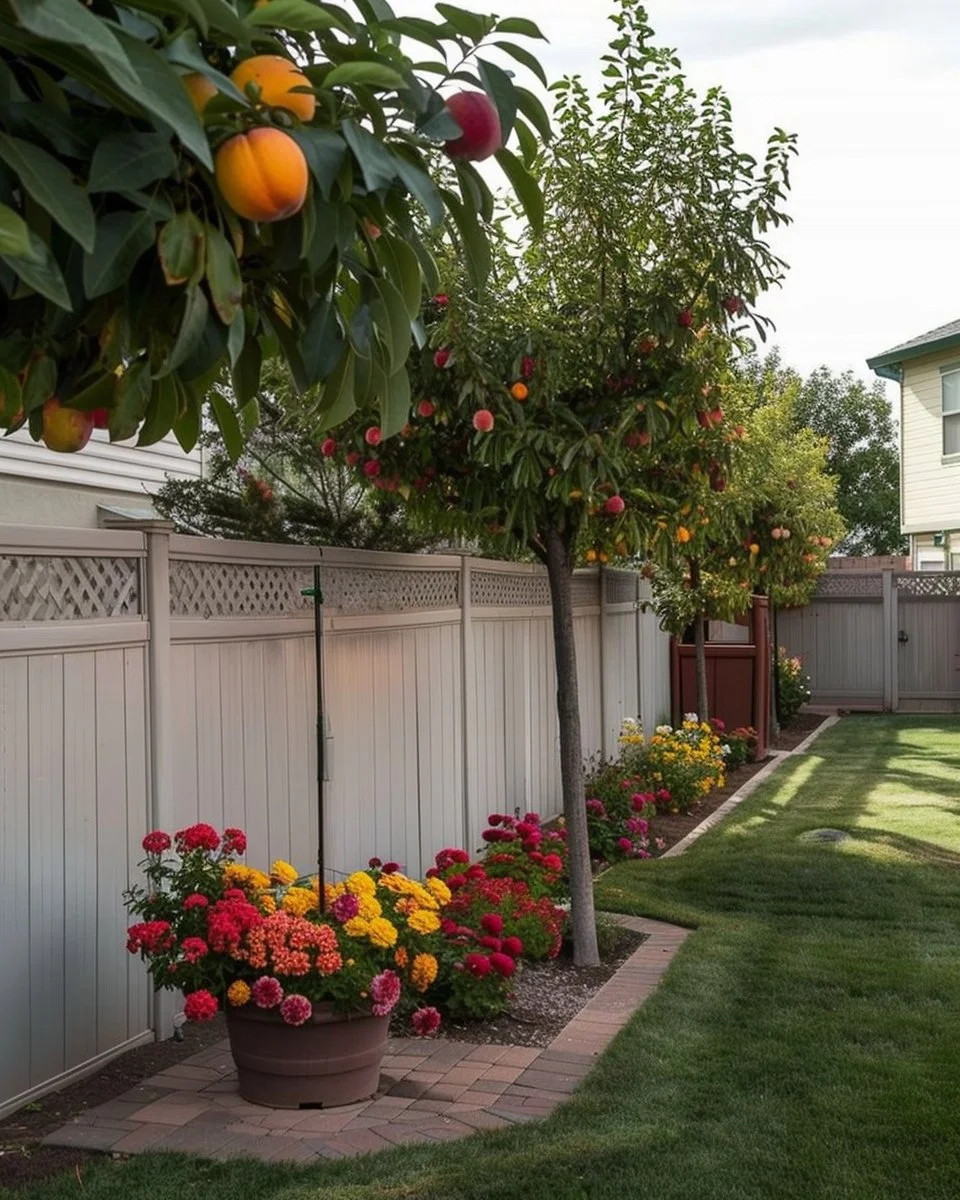
Who doesn’t love fresh fruit? Planting trees like apple, peach, or cherry not only beautifies your yard but also creates a food source for both you and local wildlife. Birds and butterflies are especially attracted to flowering fruit trees.
Planting for Pollinators
If you’re looking to support local ecosystems, planting native trees that produce nectar or berries helps attract pollinators such as bees and butterflies. Trees like redbud or willow can be particularly beneficial.
Installing Birdhouses
Enhance your wildlife-friendly front yard by placing birdhouses in and among your trees. Not only does this create a charming feature, but it also provides shelter for various bird species, inviting them to your outdoor space.
Maintenance Tips for Your Trees
To ensure that your trees thrive and impress, regular maintenance is essential.
Regular Pruning
Regularly pruning your trees can improve their health and appearance. Focus on removing dead or diseased branches and shaping the tree to enhance its natural form. This practice can lead to more robust growth and a more appealing silhouette.
Soil and Water Needs
Different tree species have different needs regarding soil and water. Be sure to research your specific tree’s requirements and monitor soil health. Regular watering, especially in the first few years after planting, will help your tree establish strong roots.
Pest Management
Keep an eye out for pests that can harm your trees, as early detection is key. Implementing natural pest control methods can minimize damage and keep your trees healthy.
Common Mistakes to Avoid
As you embark on this journey of enhancing your front yard, here are a few mistakes to avoid.
Overcrowding
One of the most common mistakes is planting too many trees too close together. Each tree needs room to grow fully, and overcrowding can lead to competition for nutrients and space, ultimately compromising their health.
Underestimating Growth
Always keep the mature size of your trees in mind. A tree that seems manageable in its early years might grow to overshadow your house or block your view when fully grown. Research how large each tree will become.
Ignoring Local Regulations
Lastly, it’s crucial to check local regulations regarding tree placement. Sometimes there are guidelines concerning the types of trees you can plant or their distances from sidewalks and streets. Ignoring these can lead to unnecessary setbacks.
Conclusion
Incorporating trees into your front yard design is an excellent way to enhance the beauty of your home while also providing practical benefits. From improving aesthetics to providing privacy and energy savings, the right tree placements can make all the difference.
As you explore these 15+ Smart Front Yard Tree Placement Ideas, remember to consider your specific environment and needs. Embrace the journey of making your yard a beautiful and functional space that you and your family can enjoy.
FAQs
What types of trees are best for small front yards?
Smaller ornamental trees, like Japanese maple or flowering dogwoods, are great choices for compact spaces.
How far should trees be from the house?
As a general rule, trees should be planted at least 10 to 20 feet from your house, depending on their mature size.
When is the best time to plant front yard trees?
The best time to plant trees is typically in the early spring or fall when the soil is workable and temperatures are cooler.
Do trees require a lot of maintenance?
Maintenance varies by species, but generally, regular pruning, watering, and monitoring for pests are necessary for healthy trees.
Can I plant fruit trees in my front yard?
Absolutely! Fruit trees can be a beautiful and functional addition, offering seasonal beauty and delicious produce while attracting wildlife.