
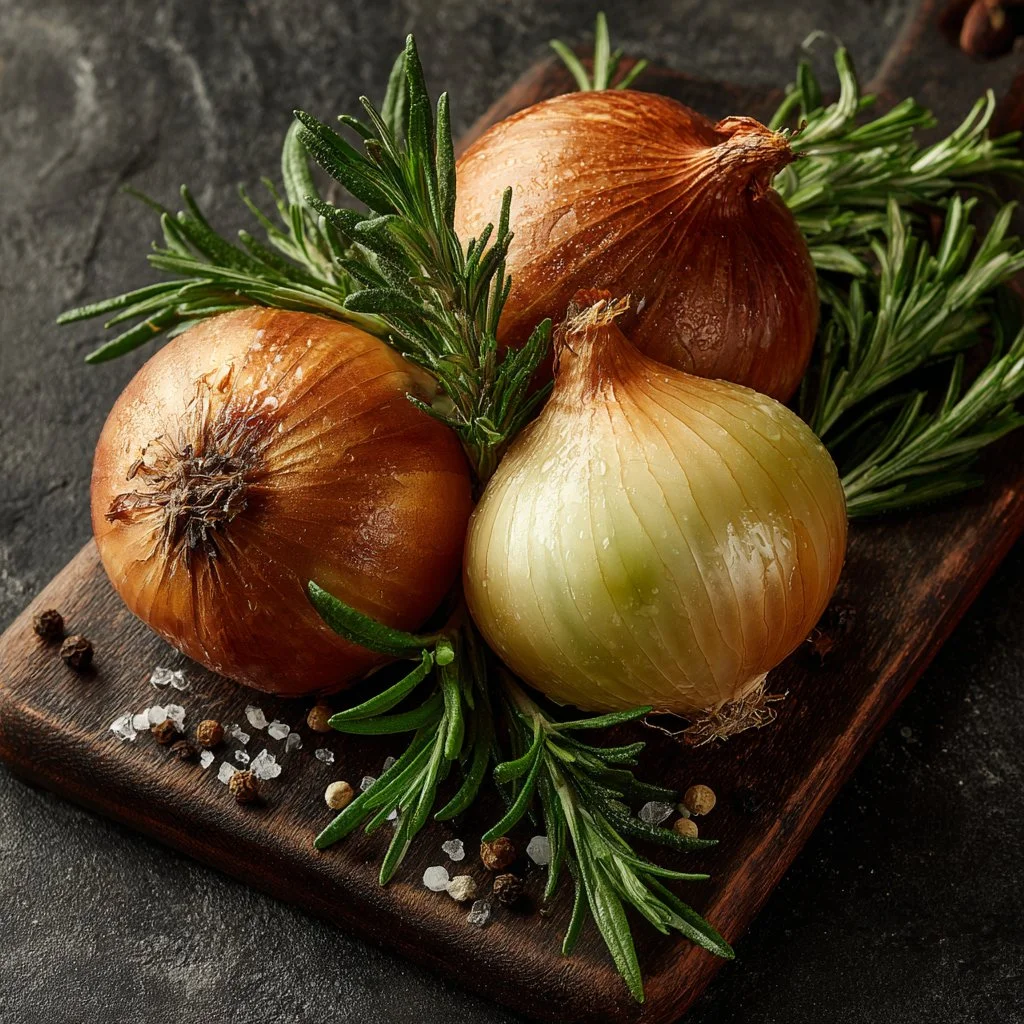
Introduction to Tennessee Onions
Tennessee Onions bring a delightful twist to your table, making any meal extraordinary. Imagine biting into a crispy, caramelized onion, bursting with flavor, and perfectly seasoned to tantalize your taste buds. What makes this dish so special? The answer lies in its simplicity and the rich, savory goodness that onions can deliver when treated with care.
Every bite of Tennessee Onions is a celebration of comfort food. These onions can grace your dinner plate as a side, elevate your sandwich, or even stand alone as a savory snack. Have you ever wondered how such a humble vegetable can become the star of your meal? With the right preparation, Tennessee Onions transform into an irresistible dish that everyone will love.
This recipe is incredibly easy to follow, making it perfect for busy weeknights or a weekend gathering with friends. Plus, it requires minimal ingredients, yet the impact is maximized. When you’re looking for a dish that captures Southern charm while remaining accessible, Tennessee Onions are the answer. Trust me; your family and guests will be asking for more!
Table of Contents
Key Benefits of Tennessee Onions
Why You’ll Love This Recipe
- Bold Flavor: The combination of caramelization and seasoning makes each bite flavorful.
- Simplicity: With just a handful of ingredients, preparation becomes a breeze.
- Versatility: They pair well with numerous dishes, from meats to salads.
- Quick to Prepare: You can whip up this dish in no time at all.
- Budget-Friendly: Onions are affordable, making this a wallet-friendly choice.
- Crowd-Pleaser: Almost everyone enjoys a well-prepared onion dish.
What Makes It Stand Out
Tennessee Onions are not just another onion recipe; they offer a unique customization option. You can spice them up or keep them classic, depending on your preferences. Their sweet and savory combination elevates them beyond mere garnishes, making them suitable for various occasions—from casual family dinners to festive gatherings.
Another standout feature is their ability to adapt to various flavor profiles. Feel free to experiment with different spices or toppings, and watch as they create a new twist every time. This flexibility means that no two servings of Tennessee Onions need to taste the same, keeping your culinary experiences fresh and diverse.
Ingredients for Tennessee Onions
Complete Ingredient List with Measurements
- 3 large yellow or sweet onions
- 2 tablespoons olive oil
- 1 tablespoon butter
- 2 teaspoons salt
- 1 teaspoon black pepper
- 1 teaspoon garlic powder
- 1 teaspoon paprika (optional)
- Fresh parsley for garnish (optional)
Substitutes and Alternatives
If you need to adjust the recipe due to dietary restrictions, there are several swaps you can consider. For a vegan version, you can replace butter with additional olive oil or a vegan butter alternative. If you’re looking to reduce sodium, feel free to cut back on the salt or substitute it with a salt-free seasoning blend.
For those who might be sensitive to sulfur compounds in onions, shallots or leeks can serve as suitable substitutes without losing too much in terms of texture or flavor. Each ingredient swap gives you an opportunity to experiment while maintaining the essence of Tennessee Onions.
How to Make Tennessee Onions – Step-by-Step Directions
Step 1 – Prepare Ingredients
Start by gathering and measuring out all your ingredients. Peel the onions and slice them into thin rings. This will ensure even cooking and maximize caramelization.
Step 2 – Cook the Base
In a large skillet, heat the olive oil and butter over medium heat. Once hot, add the sliced onions to the skillet, stirring well to coat them evenly in oil.
Step 3 – Season the Onions
Sprinkle salt, black pepper, garlic powder, and paprika (if using) over the onions. This seasoning combination will enhance the onions’ natural sweetness and contribute to the overall flavor profile.
Step 4 – Sauté the Onions
Cook the onions, stirring occasionally, for about 10 to 15 minutes. You want the onions to become soft and translucent. Keep an eye on them to prevent burning.
Step 5 – Caramelize the Onions
Continue to cook the onions, stirring every few minutes, for another 15–20 minutes. The goal here is to achieve a rich golden brown color, which indicates that they’ve caramelized beautifully.
Step 6 – Adjust Seasoning
Taste the onions and adjust the seasoning as needed. This may involve adding more salt, pepper, or garlic powder to enhance the flavor profile further.
Step 7 – Garnish and Serve
Once the onions are perfectly caramelized, remove them from heat. You can transfer them to a serving dish and garnish with fresh parsley for a pop of color.
Step 8 – Enjoy!
Tennessee Onions are best served warm. They can be enjoyed alone or as a topping for steaks, sandwiches, or salads.
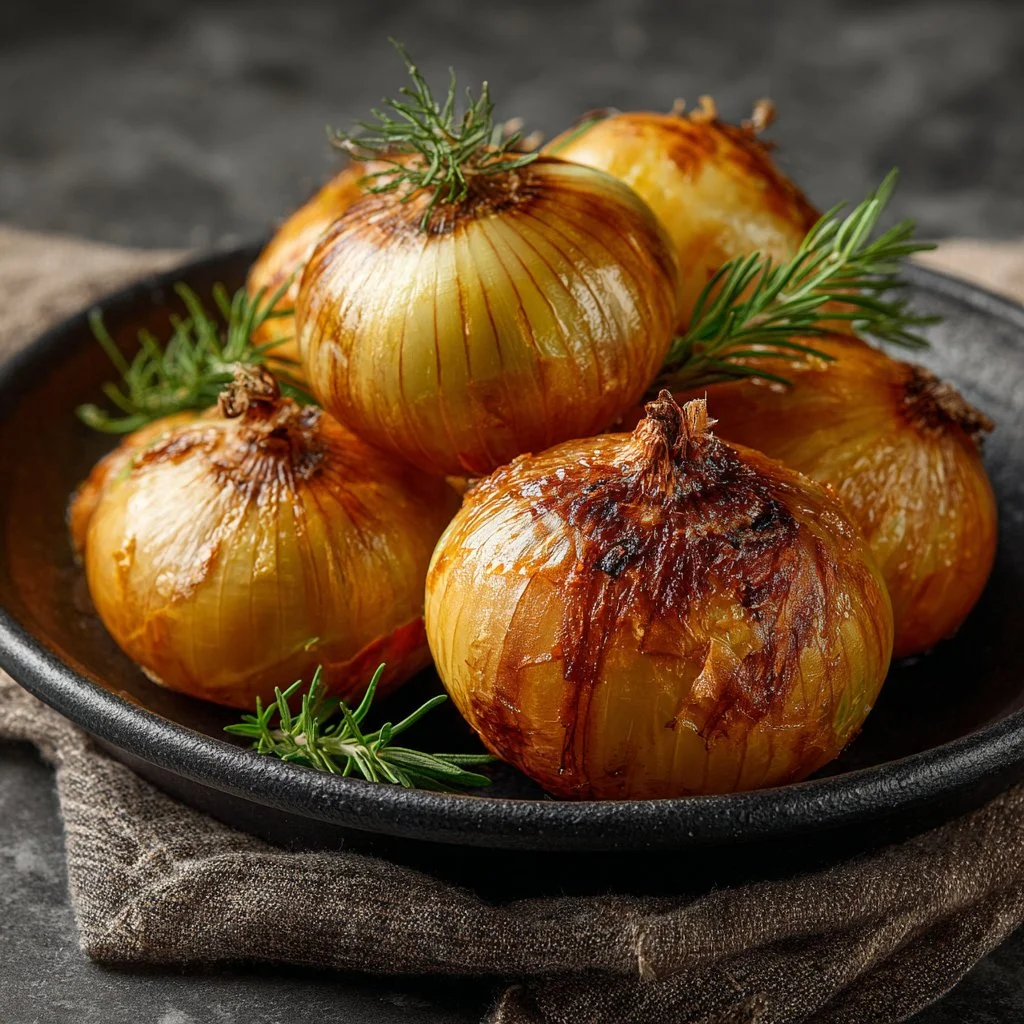
Serving Suggestions for Tennessee Onions
Best Occasions to Serve This Dish
Tennessee Onions are wonderfully versatile, making them an excellent choice for various occasions. They are perfect for casual family dinners, where their comforting flavors can create a lovely homey atmosphere. Additionally, these onions shine at barbecues or potlucks, as they pair beautifully with grilled meats.
The savory sweetness of Tennessee Onions also makes them suitable for holiday gatherings. Their appealing aroma and taste can enhance any festive meal, adding warmth to the table.
What to Serve With It
To complete your meal, consider pairing Tennessee Onions with juicy grilled steaks, roasted chicken, or even on top of a hearty burger. They can also elevate a simple green salad or a bowl of creamy mashed potatoes.
For those looking for a wholesome accompaniment, serve them alongside roasted vegetables or with some crusty bread for dipping. Complement these dishes with a glass of iced tea or a light red wine for a delightful culinary experience.
How to Store Tennessee Onions Properly
Best Storage Practices
If you have any leftovers, storing Tennessee Onions properly is crucial for maintaining their flavor. Allow them to cool completely before transferring them to an airtight container. They can be stored in the refrigerator for up to 3–5 days.
For longer-term storage, you might consider freezing the onions. Spread the cooked onions in a single layer on a baking sheet and freeze them until solid. Once frozen, transfer them to a freezer-safe bag or container for up to three months.
Reheating and Freezing Tips
To reheat your Tennessee Onions, simply place them in a skillet over low heat. Stir occasionally until heated through, which should take about 5–7 minutes. If you prefer, you can also microwave them in a covered dish for 2–3 minutes until hot.
For the frozen onions, do not thaw them before reheating. You can directly add them to a skillet and sauté until warmed up, or use them in soups and casseroles right from the freezer.
Tips & Tricks for Tennessee Onions
Mistakes to Avoid
1 – Overcooking: Avoid cooking the onions over high heat, as they can burn instead of caramelizing properly.
2 – Ignoring the Stirring: Stir frequently to ensure even cooking and prevent sticking.
3 – Not Taste Testing: Don’t forget to taste and adjust seasoning while cooking.
4 – Using Old Onions: Fresh onions yield the best flavor, so choose the ones that are firm and free of soft spots.
5 – Skipping the Rest: Letting the onions rest for a few minutes after cooking helps them set their flavor before serving.
Extra Tips for Better Results
For extra depth of flavor, consider adding balsamic vinegar during the final minutes of cooking. This will enhance the sweetness and provide a wonderful glaze. Alternatively, a sprinkle of cheese—like Parmesan or feta—can take your onions to the next level.
Presentation plays a vital role as well. Serve your Tennessee Onions in a stylish bowl or over a vibrant salad to make the dish visually appealing.
Recipe Variations of Tennessee Onions
Creative Twists
1 – Spicy Tennessee Onions: Add jalapeños or crushed red pepper flakes to the onions as they cook for a spicy kick that will awaken your taste buds.
2 – Herbed Tennessee Onions: Toss in fresh herbs like thyme or rosemary during the cooking process to infuse additional fragrance and complexity.
3 – Cheesy Tennessee Onions: Mix in some grated cheese right at the end of cooking to create a melty, indulgent topping that’s hard to resist.
Dietary Adjustments
Tennessee Onions can easily become vegan by ensuring your butter substitute is dairy-free or by simply omitting it. To make them gluten-free, the recipe is already suitable since none of the ingredients contain gluten.
For those watching their caloric intake, using less olive oil or opting for a non-cooking spray can help tweak the recipe while maintaining flavor.
Conclusion about Tennessee Onions
If you haven’t tried Tennessee Onions yet, this is your sign to do so. This dish is not only easy to make but also presents a lovely blend of flavors that can elevate any meal. The versatility allows for countless variations, ensuring it won’t get boring after just one try.
Tennessee Onions are a delightful way to enjoy the natural sweetness of onions in a way that’s savory and satisfying. Whether you’re serving them at a festive occasion or enjoying them as a comforting side, they are sure to leave a lasting impression. Dive into the world of Tennessee Onions, and you may just discover your new favorite dish!
FAQs about Tennessee Onions
How long do Tennessee Onions last in the fridge?
Tennessee Onions can be stored in the refrigerator for 3–5 days when placed in an airtight container.
Can you make Tennessee Onions in advance?
Yes, you can prepare them in advance and reheat them when ready to serve, saving time for your main meal.
What type of onions are best for this recipe?
Yellow or sweet onions work best due to their natural sweetness and ability to caramelize nicely.
Can I freeze Tennessee Onions?
Absolutely! They freeze well. Just freeze them in a single layer before transferring them to a freezer-safe storage container.
How do you reheat Tennessee Onions?
Reheat in a skillet over low heat or in the microwave until warmed through. Don’t thaw frozen onions before reheating.
What can I serve with Tennessee Onions?
They pair well with grilled meats, atop burgers, or alongside salads and roasted veggies.
Are Tennessee Onions suitable for a vegan diet?
Yes, simply substitute butter with a plant-based alternative, and you’ll have a vegan-friendly version.
Can I add other vegetables to this recipe?
Yes, you can mix in vegetables like bell peppers or mushrooms for added texture and flavor.
What if the onions burn while cooking?
If they start to burn, lower the heat and add a small splash of water to help deglaze the pan. Stir frequently.
Can I use powdered spices instead of fresh herbs?
Yes, you can use powdered spices for convenience, but fresh herbs will give a more vibrant flavor.