
Introduction
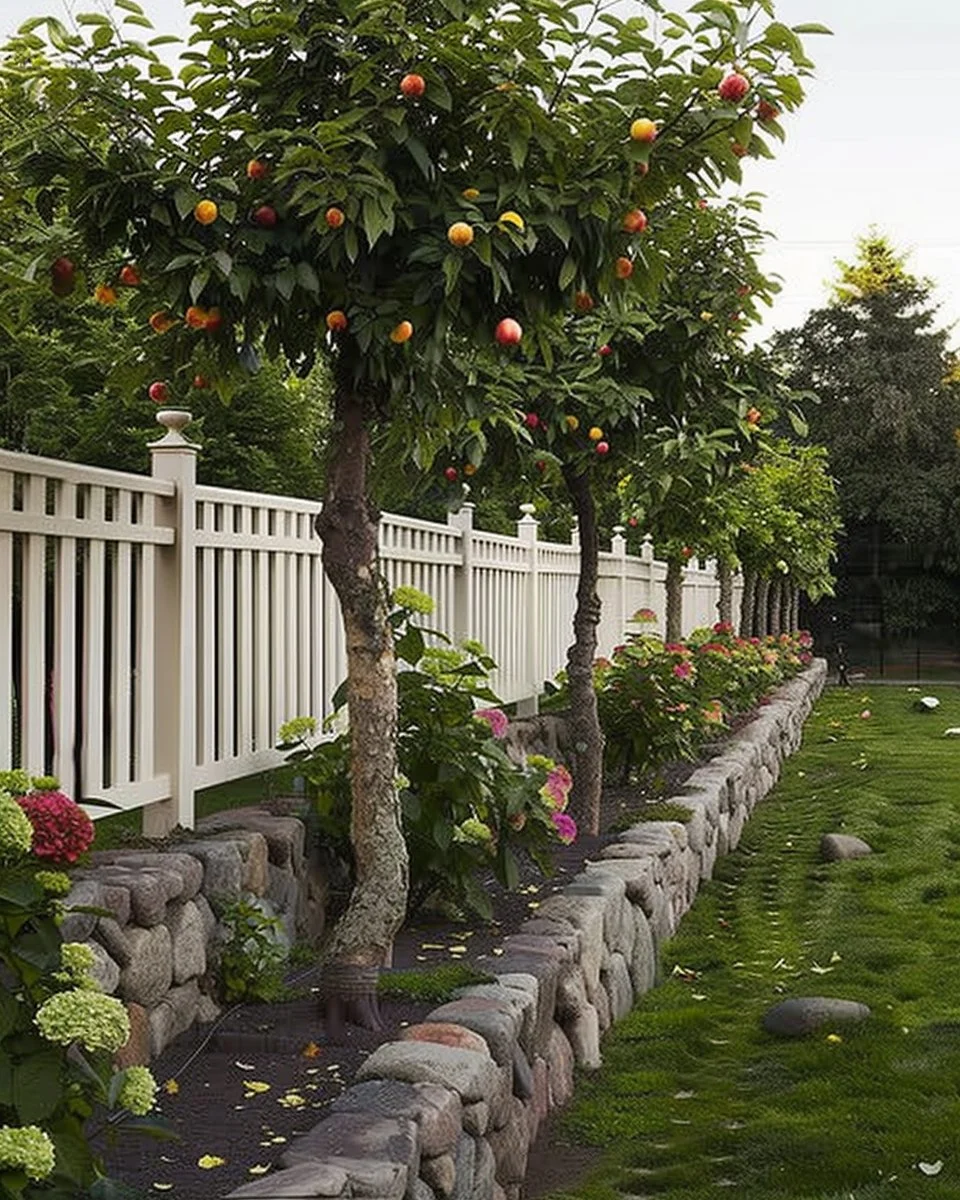
Have you ever wandered through an orchard, surrounded by the sweet scent of ripening fruit, wondering how to bring that beauty into your own backyard? Creating a fruit tree garden not only adds a lush, vibrant touch to your landscape but also provides a delicious bounty of fresh fruit right at your fingertips. Whether you have a sprawling yard or a cozy urban space, there are countless ways to design your very own fruit tree garden.
In this article, we’ll explore 14+ Creative Fruit Tree Garden Layout Ideas that cater to diverse styles, space constraints, and personal preferences. You’ll learn about various planting techniques, tree varieties, and design tips that will turn your garden into a fruitful paradise. So let’s dig in and cultivate your dream garden!
Table of Contents
Fruit Tree Garden Design Basics
Designing a fruit tree garden starts with understanding some essential fundamentals. The type of fruit trees you choose, their spacing, and the overall layout of your garden play significant roles in your orchard’s success.
Choosing the Right Fruit Trees
When selecting trees, consider your climate, soil type, and personal preferences. Do you want juicy peaches, sweet apples, or perhaps zesty citrus? Research tree varieties that thrive in your area. For instance, consider dwarf varieties if you’re short on space; they can produce fruit just like their standard counterparts but take up significantly less room.
Understanding Planting Space
Each fruit tree species has its own recommended spacing. Apples and pears usually need about 15 to 20 feet between them, while dwarf varieties may require only about 8 to 10 feet. This spacing not only allows for healthy tree growth but also promotes better air circulation, reducing the likelihood of diseases.
Layout Ideas for Small Spaces
If you have a compact backyard or a patio, don’t fret! You can still enjoy a fruit-laden garden with thoughtful design.
Vertical Gardening Techniques
Utilizing vertical space is a game changer for small gardens. Consider trellising your fruit trees or using wall-mounted planters. For instance, espalier is a technique where you train fruit trees to grow flat against a wall, creating a stunning focal point that maximizes growing space.
Container Gardening with Fruit Trees
Container gardening provides flexibility and mobility. You can grow dwarf fruit trees in pots that can be rearranged according to the season or your preference. A citrus tree in a decorative pot on your patio, for example, can instantly brighten your outdoor space.
Charming Traditional Garden Layouts
For those with larger spaces, traditional garden layouts can offer expansive beauty and fruit production.
Orchard Style Designs
Imagine a traditional orchard with rows of various fruit trees spaced evenly apart. You can create pathways for easy access to each tree. Adding flowering plants around the base of each tree not only enhances beauty but can also attract beneficial pollinators.
Formal Garden Layouts
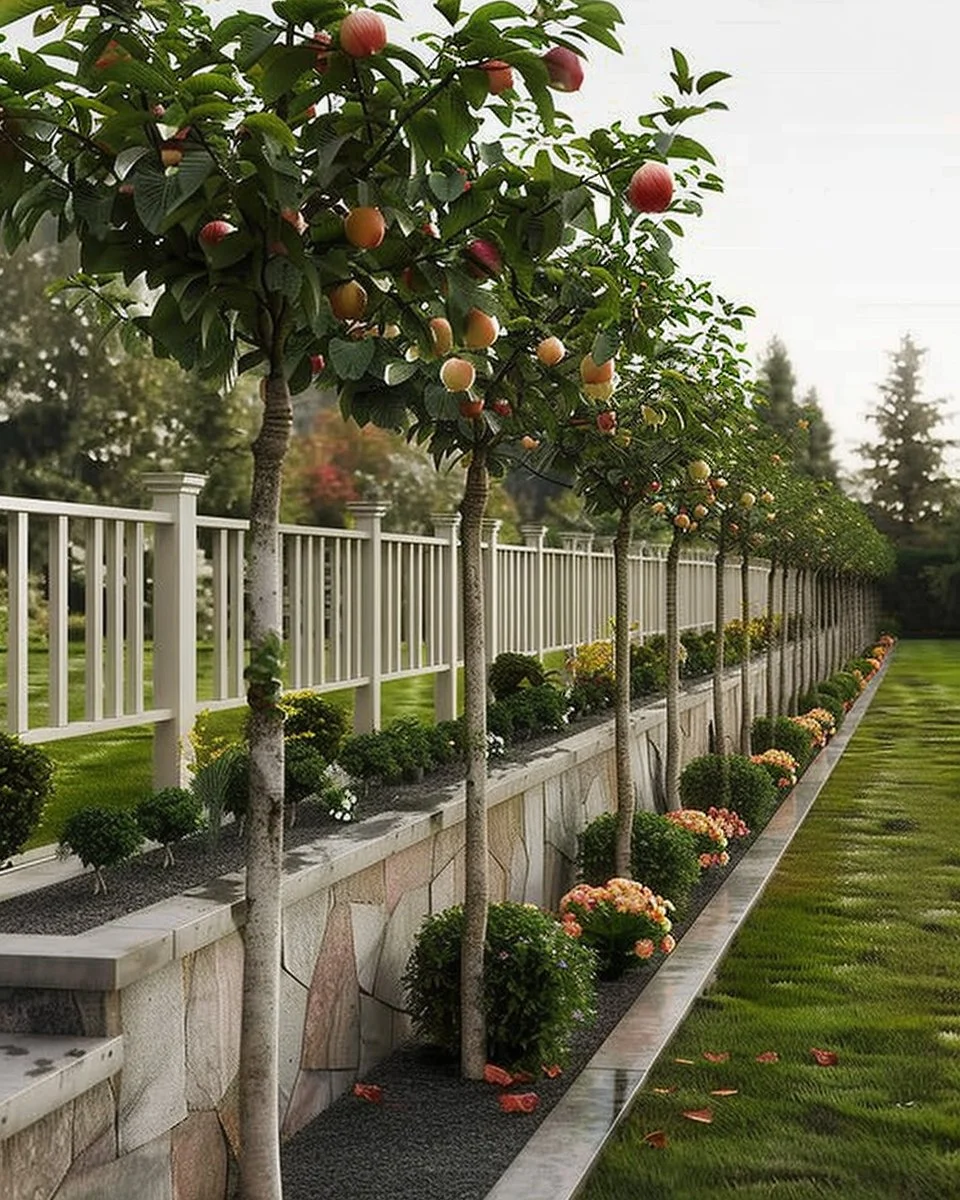
Formal gardens often feature symmetrical designs that can be incredibly appealing. Think about aligning your fruit trees in a straight line or in geometric shapes. This style is particularly effective with trees like peaches and cherries, creating a breathtaking visual display.
Edible Landscaping Concepts
Integrating fruit trees into your existing landscape can be a delightful way to create an edible environment.
Integrating Fruit Trees with Flower Beds
Why not create a mixed border where ornamental flowers and fruit trees coexist? For instance, planting strawberries or blueberries alongside perennial flowers can produce an attractive and functional garden. This approach not only provides beauty but can also yield fruit right from your flowerbed.
Companion Planting Strategies
Pairing plants that complement each other can boost growth and even deter pests. Planting marigolds and garlic near your fruit trees can naturally repel common pests, while legumes can enhance soil fertility.
Sustainable Practices for a Thriving Garden
Creating a fruitful garden also involves sustainable practices that ensure long-term success.
Organic Gardening Techniques
Consider adopting organic practices to maintain a healthy garden ecosystem. Treat pests naturally with insecticidal soap or beneficial insects like ladybugs. Composting kitchen scraps can provide your trees with rich nutrients, fostering healthy growth.
Water Conservation Methods
Practicing water conservation is vital. Employ techniques like drip irrigation or mulching to retain soil moisture. This approach not only conserves water but also reduces the need for frequent watering, allowing your fruit trees to thrive even during dry spells.
Tips for Maintaining Your Fruit Tree Garden
Once your garden is established, maintaining it is key to continuous productivity and health.
Pruning and Care Essentials
Regular pruning helps to maintain the shape of your trees while promoting airflow. For instance, removing dead or crossing branches encourages healthy growth. Late winter or early spring is an ideal time for pruning, just before new growth begins.
Pest and Disease Management
Stay vigilant for any signs of pests or diseases that could afflict your trees. Regularly inspecting your plants will help you catch issues early. Don’t hesitate to take action, whether through organic treatments or simply removing infested leaves.
Conclusion
Creating a fruit tree garden can transform your outdoor space into a haven of beauty and productivity. By exploring these 14+ Creative Fruit Tree Garden Layout Ideas, you can find inspiration that suits your taste and needs. Remember that gardening is a journey and every season offers opportunities for learning and growth. Plant your vision today for a fruitful tomorrow!
FAQs
What is the best time to plant fruit trees?
The best time to plant fruit trees is during late winter or early spring when the ground is still cool but frost is no longer a concern.
How much sunlight do fruit trees need?
Most fruit trees thrive in full sun, requiring at least 6 hours of direct sunlight each day.
Can I grow fruit trees in containers?
Absolutely! Dwarf varieties of fruit trees grow well in containers, allowing you to enjoy fresh fruit even with limited space.
How do I protect my fruit trees from pests?
Consider using organic pest control methods such as insecticidal soap or introducing beneficial insects to your garden.
What should I do if my fruit trees are not producing?
If your trees aren’t producing, check factors like soil quality, sunlight exposure, and watering practices. It may also be beneficial to consult a local gardening expert for tailored advice.