
Introduction
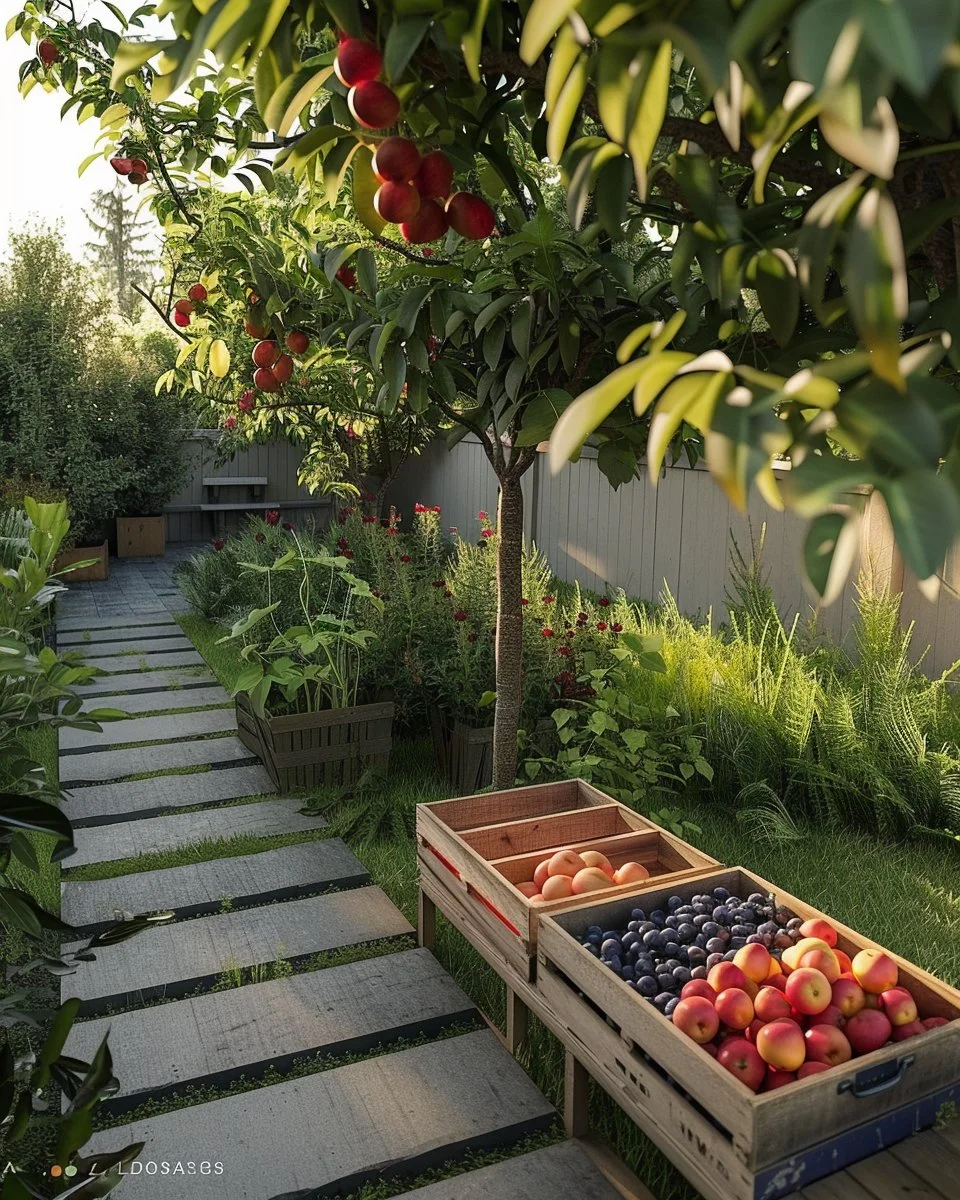
Imagine stepping outside your back door to find a lush paradise filled with fragrant fruits, vibrant blossoms, and the gentle hum of nature all around you. The idea of cultivating a backyard orchard isn’t just a dream for avid gardeners; it’s a delightful reality that can bring beauty and nourishment to your home. In this guide, we’ll explore 10 Enchanting Backyard Orchard Ideas for Your Garden, providing you with practical tips and inspiration to get started. Whether you have a sprawling backyard or a compact urban space, you’ll find ways to transform your garden into a fruitful haven that feeds your family and enhances your outdoor experience.
Table of Contents
Planning Your Orchard Layout
Choosing the Right Location
When planting an orchard, the first step is deciding where to put it. Your orchard should ideally be in a part of your yard that receives plenty of sunlight—at least six hours a day is perfect for most fruit trees. Additionally, consider how many trees you’ll want to plant and whether they’ll cast shade on other areas of your garden. It can be helpful to sketch out your garden and see how your orchard fits into the overall design.
Considering Sunlight and Drainage
Have you ever wondered how vital proper drainage is for fruit trees? It’s crucial! Many fruit trees don’t tolerate wet feet, which can lead to root rot and other issues. Before planting, check the soil’s drainage and amend it as needed. If you’re unsure, a simple test is to dig a hole about a foot deep and fill it with water. If it drains within a few hours, you’re good to go! For areas that retain too much water, consider raised beds or mounds.
Selecting Trees and Plants
Not all fruits thrive in every location. Do some research to find out which fruit trees and plants work best in your area. Some popular choices include apple, peach, and cherry trees, which can be quite rewarding to grow. You can also consider smaller fruiting plants such as strawberries, blueberries, and raspberries to maximize your space.
Small Space Orchards
Vertical Gardening Solutions
If you’re limited on space, vertical gardening can be an excellent solution. With vertical planters, trellises, and even wall-mounted pots, you can grow fruits like climbing berries and grapes without taking up much ground space. This not only saves room but also adds an eye-catching element to your garden.
Container Fruit Trees
For those who want to bring the orchard feel without digging into the ground, container gardening is a fantastic alternative. Dwarf fruit trees, such as lemon or fig trees, can thrive in pots. Just be sure to provide enough nutrients and water—container plants often require more frequent care than their grounded counterparts.
Espalier Techniques
Espalier is a pruning technique that allows you to grow fruit trees against a wall or fence in a flat form. This method not only saves space but can also create an attractive feature in your garden. It may take some practice, but the results can be stunning: just imagine blossoming apple branches hugging an exterior wall of your home!
Diverse Fruit Options
Best Stone Fruits for Your Climate
Stone fruits, like cherries and plums, are not only delicious but can also be incredibly rewarding to grow. They typically need warm summers for their fruit to ripen effectively. If you live in a region like California, consider planting a variety of stone fruits to enjoy staggered harvests.
Berry Bushes to Incorporate
Berries are fantastic for backyard orchards—they produce a large yield and add variety to your harvest. Consider planting blueberries, blackberries, and raspberries. They generally take less space and can be trained to grow along trellises or fences, giving you an appealing and productive boundary as well.
Uncommon Fruits to Try
If you’re feeling adventurous, think about adding unusual fruit varieties to your garden. Fruits like pawpaw, hardy kiwi, or even quince can be incredible additions that will set your orchard apart. Plus, how fun will it be to share something unique with friends and family?
Companion Planting in Your Orchard
Benefits of Companion Planting
Companion planting is a strategy where certain plants are grown together to enhance growth, deter pests, and improve flavor. This technique is ideal for backyard orchards and can lead to a healthier growing environment.
Ideal Companion Plants
Consider planting herbs like mint or basil among your fruit trees. These not only provide flavor for your kitchen but also attract beneficial insects that can help with pest control. Some flowers, like marigolds, can protect your orchard by repelling pests as well.
Pest Control Strategies
Maintaining an orchard comes with its challenges, particularly pests. Companion planting can be a proactive way to reduce pest issues, but you can also employ organic solutions, like neem oil and insecticidal soap, as necessary.
Seasonal Care Tips
Seasonal Pruning Techniques
Proper pruning is fundamental to the health of your fruit trees. It may seem intimidating, but with the right knowledge, it’s manageable. Early spring is often the best time to prune. Focus on removing dead or crossing branches to ensure good airflow and exposing the tree to sunlight.
Watering Best Practices
Understanding the watering needs of different fruit plants is crucial. Newly planted trees require regular watering to establish roots, while established trees may require less frequent watering. A good rule of thumb is to water deeply and less often to encourage deeper root systems.
Fertilizing and Soil Health
Healthy soil is the foundation of a fruitful orchard. Test your soil annually to understand its nutrient needs and avoid over-fertilizing with chemicals. Consider organic compost, which can improve soil structure and provide essential nutrients.
Creating a Wonderful Atmosphere
Cozy Seating Areas
Creating inviting spaces within your orchard can enhance your gardening experience. Consider adding a bench or a hammock where you can unwind among the trees. It’s the perfect spot for morning coffee while enjoying the sights and sounds of nature.
Garden Pathways
Creating pathways not only helps to define your orchard but also makes it more accessible for maintenance and harvesting. Gravel, stone stepping paths, or even wood chips can create a lovely aesthetic while keeping mud at bay during rainy seasons.
Adding Wildlife Attractants
Encouraging wildlife can be beneficial to your garden, as many critters like birds and beneficial insects help with pollination and pest control. Planting native flowers, installing birdhouses, or even setting up a small pond can attract a range of helpful wildlife.
Conclusion
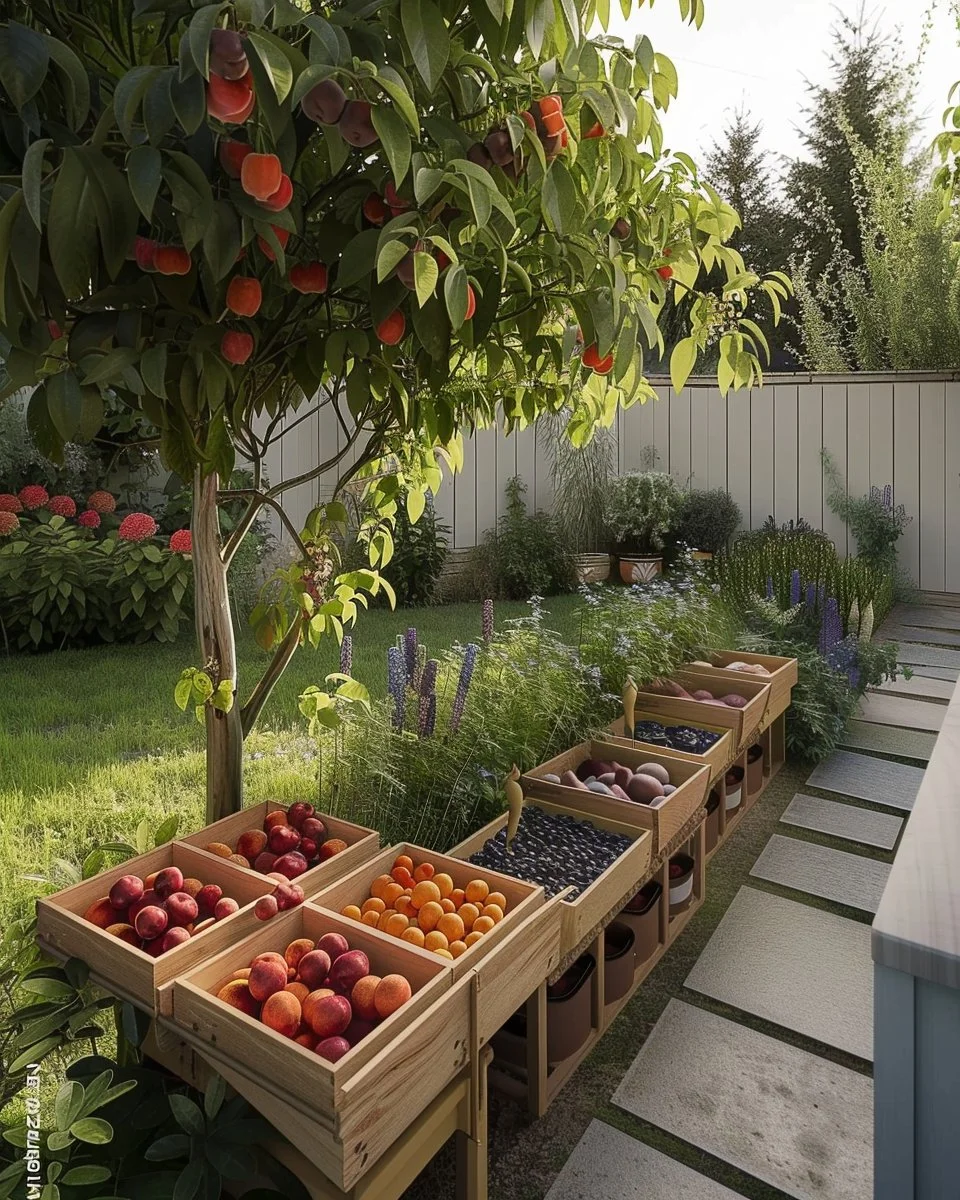
Creating a backyard orchard can bring joy, beauty, and delicious fruits right to your doorstep. With the right planning, selection of plants, and understanding of care techniques, your garden can be transformed into a fruitful paradise. Remember, the key to success lies in choosing the right plants for your space, understanding their needs, and taking time to enjoy this rewarding journey. So why not commence your orchard adventure today? The fruits of your labor await!
FAQs
What fruits should I start with for my backyard orchard?
Begin with easy-to-grow fruits such as apples, strawberries, and blueberries. These are hardy and versatile for various climates.
How much sunlight do fruit trees need?
Most fruit trees thrive with at least six hours of direct sunlight per day.
Can I grow fruit trees in pots?
Yes, many dwarf fruit trees can grow beautifully in pots, making them ideal for smaller spaces.
What’s the best time of year to prune my fruit trees?
Early spring is often the best time to prune, just before new growth begins.
How can I attract pollinators to my orchard?
Planting a variety of flowering plants nearby, providing water sources, and avoiding pesticides can help attract beneficial pollinators.