
Introduction
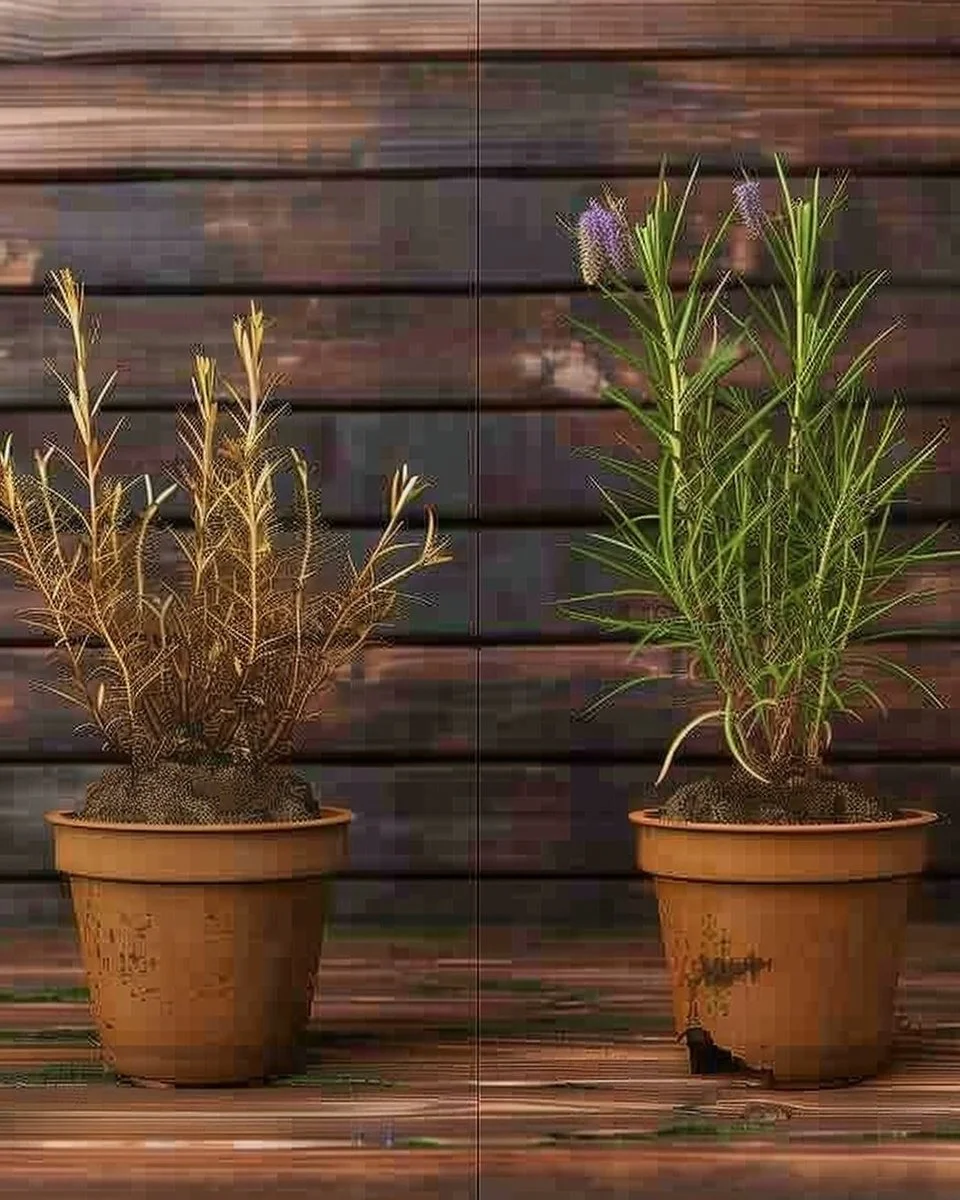
If you’ve ever grown rosemary, you know its aromatic leaves can enhance many dishes. However, many budding gardeners face a frustrating question: “Why does my rosemary plant keep dying?” Most folks have no clue. Why your rosemary plant keeps dying & the easiest hack to save it. Understanding the common pitfalls and discovering simple solutions can be a game changer for growing this hardy herb.
I can share a quick story from my gardening escapades. A few years ago, I was convinced my rosemary would thrive in my sunny kitchen window. I’d sprinkle the leaves over roasted vegetables, basking in my culinary prowess. But to my dismay, my vibrant-looking plant started wilting after just a few weeks. Weeks turned into months, and soon, I was left with a dry, brittle skeleton of a once-promising plant. Sound familiar? Well, fear not! In this article, we’ll explore why rosemary has high mortality rates and the easiest hacks to keep it thriving in your home.
Table of Contents
Common Reasons Rosemary Plants Struggle
Rosemary is a resilient herb, but it can struggle if not given the right conditions. Let’s dive into the most common issues that lead to rosemary plant death.
Poor Drainage Issues
One of rosemary’s worst enemies is poor drainage. If water accumulates in the pot or soil, roots can rot, leading to the plant’s demise. Sand or grit can enhance drainage, which is crucial for rosemary’s well-being.
Overwatering or Underwatering
Finding the balance in watering can be tricky. When overwatered, the roots suffocate, leading to a range of problems. Surprisingly, underwatering has its own consequences—leaves can become dry and brittle, causing the plant to struggle. Understanding the right frequency for your environment is key.
Lighting Problems
Rosemary loves bright light, and insufficient sunlight can cause weak, leggy growth. Most folks have no clue that rosemary should be basked in full sunlight for at least 6-8 hours a day, making a sunny windowsill a preferred location.
How to Spot Stress in Your Rosemary Plant
Recognizing when your rosemary is in distress is the first step to remedying the situation.
Signs of Overwatering
Look out for yellowing leaves, brown tips, and a general droopy appearance. If your potting mix is consistently soggy, that’s a clear sign it’s time to reconsider your watering approach.
Signs of Underwatering
On the flip side, if the leaves appear dry and crumbly, or if the soil pulls away from the pot’s sides, your rosemary is likely thirsty.
Pests and Diseases
Pests like aphids or spider mites can wreak havoc. Don’t forget to inspect the undersides of leaves and stems for signs of infestation. If noticed early, a gentle wash or insecticidal soap can do wonders.
Easiest Hacks to Save Your Rosemary
Now that we’ve pinpointed potential issues, let’s talk about the solutions to get your rosemary back on track.
Soil Improvements
Using well-draining soil is vital. Consider a mix designed for herbs or incorporate perlite for extra drainage. You can even create your own blend using potting soil, sand, and perlite in a 2:1:1 ratio.
Proper Watering Techniques
To ensure you’re watering correctly, a finger test can work wonders. Stick your finger about an inch into the soil; if it feels dry, it’s time for a drink. Water should flow through the pot’s drainage holes, ensuring that the roots get just the right amount.
Light Requirements
If your plant is indoors, reassess its location. Try and place your rosemary in a south-facing window if possible. For those growing it outdoors, ensure it’s planted in an area that gets ample sun.
Tools and Resources for Rosemary Care
Having the right tools can significantly ease your gardening journey. Here are a few essentials:
- Moisture Meter: A fantastic investment that eliminates guesswork for watering.
- Pruning Shears: Regularly trimming dead or unhealthy leaves encourages growth.
- Natural Fertilizer: A little balanced fertilizer during the growing season can help boost your plant’s vitality.
Growing Rosemary Indoors vs. Outdoors
Growing rosemary can differ significantly depending on the environment. Indoor rosemary may need extra attention regarding humidity, while outdoor plants can thrive in well-draining garden beds. The key is adapting your care based on their surroundings.
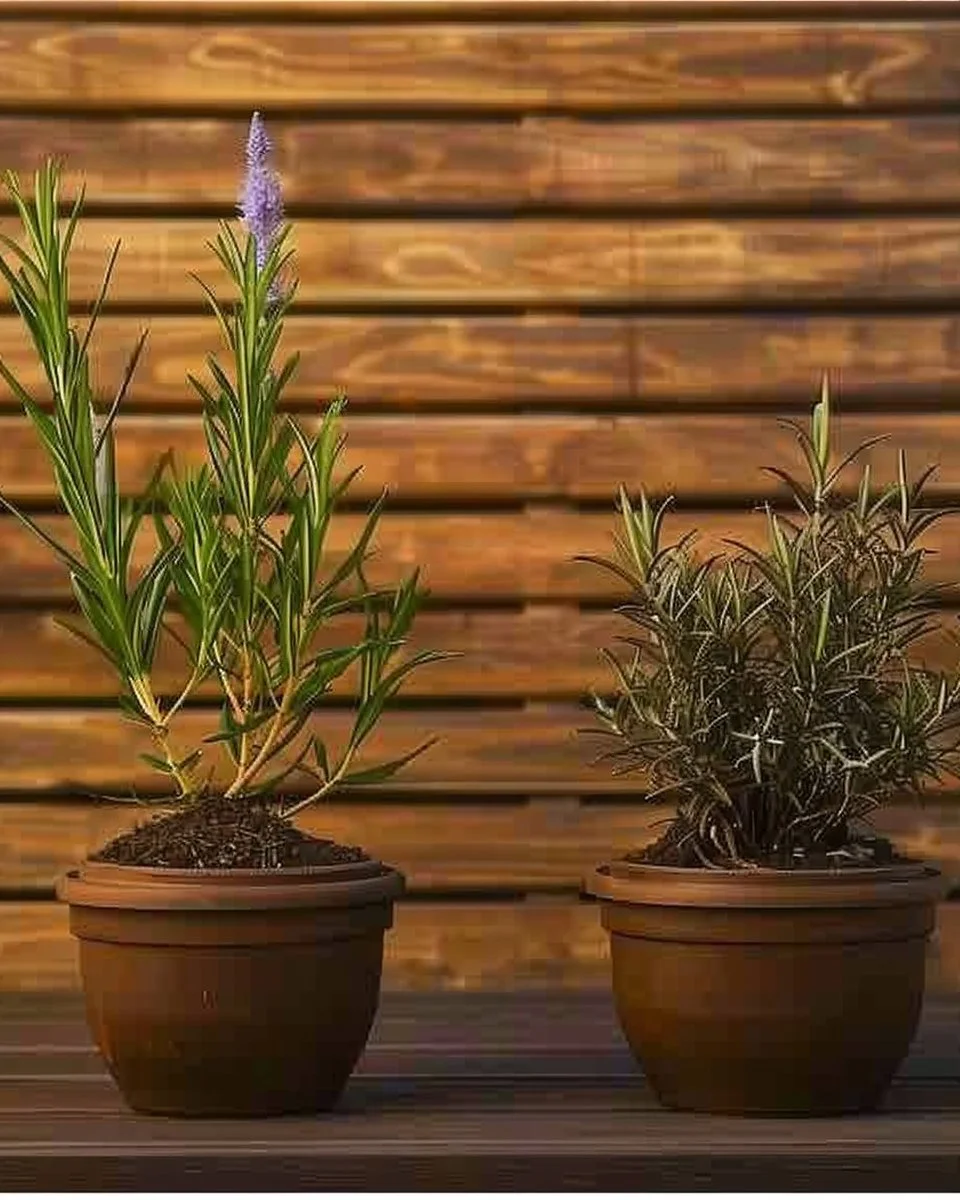
If you’ve ever wandered through a garden center, you may have noticed that rosemary plants come in various forms—bushy, trailing, and upright. Regardless of the type, all rosemary loves similar conditions.
Additional Tips for Thriving Rosemary Plants
To ensure your rosemary stays vibrant, consider these final tips:
- Rotate Your Plant: If your rosemary is indoors, rotate it every few weeks for even sunlight exposure.
- Prune Regularly: Don’t hesitate to trim and prune. This encourages bushier growth and keeps the plant healthy.
- Avoid Competing Plants: Rosemary doesn’t enjoy sharing space too closely with other herbs that might compete for sunlight and water.
Conclusion
In summary, if you’ve been asking yourself, “Why does my rosemary plant keep dying?” you’re not alone—most folks have no clue. The good news is you now possess the knowledge to easily rescue your rosemary with simple adjustments to its care, including proper drainage, watering techniques, and sufficient lighting. With these tips and tricks, your rosemary can flourish and give back the aromatic bounty you crave!
FAQs
What’s the best watering schedule for rosemary?
A good rule of thumb is to water when the top inch of soil feels dry, typically once a week depending on your climate.
Can rosemary survive winter indoors?
Yes! As long as it has plenty of light and isn’t overwatered, your rosemary can thrive indoors during the winter months.
Should I fertilize my rosemary plant?
Once or twice during the growing season with a balanced fertilizer is enough to keep it happy.
How can I propagate rosemary?
You can propagate rosemary by taking cuttings from healthy stems, allowing them to root in water or moist soil.
What pests should I watch out for?
Common pests for rosemary include spider mites, aphids, and whiteflies. Regular inspections help catch problems early.