
Introduction
If you’ve ever thought about growing your own vegetables but felt daunted by limited space, you’re not alone! Many people dream of fresh tomatoes, crisp cucumbers, and fragrant herbs, yet feel restricted by their small backyards or apartment balconies. The truth is, you don’t need a huge plot of land to cultivate a thriving vegetable garden. With the right strategies, anyone can transform even the tightest of spaces into a flourishing mini-garden. In this article, we’ll explore 10 Space-Saving Small Vegetable Garden Ideas that will help you maximize your gardening potential while minimizing the area you use. Whether you’re a seasoned gardener or just starting out, there’s something here for everyone!
Table of Contents
Vertical Gardening Techniques
One of the most effective methods to save space in your vegetable garden is vertical gardening. This technique not only optimizes your area but also adds striking visual interest to your garden.
Using Trellises for Climbing Plants
Trellises are a fantastic way to grow climbing vegetables such as cucumbers, peas, and beans. By training these plants to grow upward, you free up valuable ground space for other crops. Consider building a simple wooden trellis or purchasing ready-made options at your local nursery. A trellis also allows for better air circulation and sunlight exposure, resulting in healthier plants.
Wall-Mounted Planters
Another stylish way to incorporate vertical gardening is through wall-mounted planters. These can be attached to fences or walls and are perfect for herbs and smaller vegetables like lettuce or spinach. They come in various designs, from pocket-style planters to modular systems that allow you to create a stunning vertical garden.
Hanging Baskets
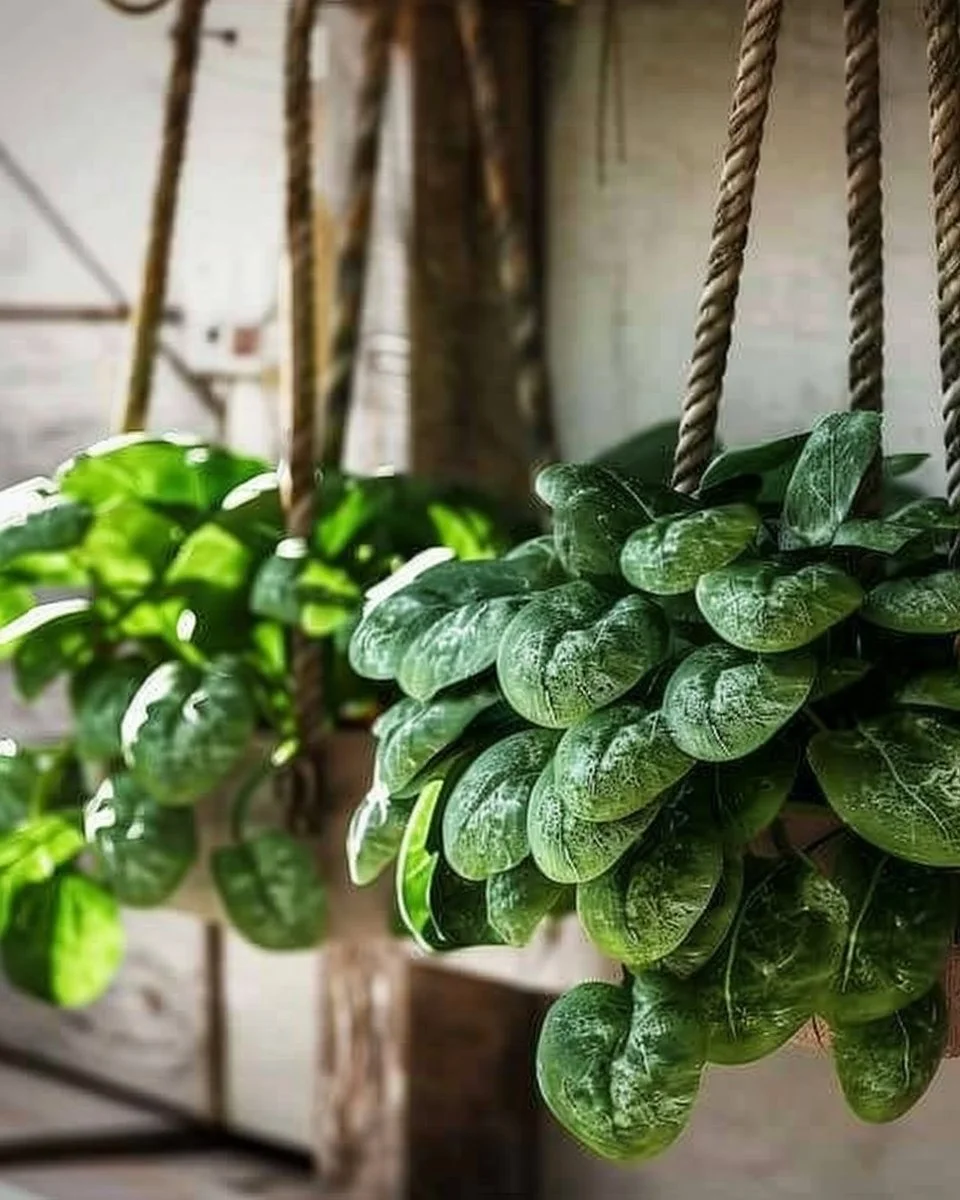
Don’t overlook the charm of hanging baskets! These can be used not only to embellish your space but also to cultivate vegetables like strawberries or cherry tomatoes. Make sure to choose a basket with good drainage, and position them where they can receive ample sunlight.
Container Gardening
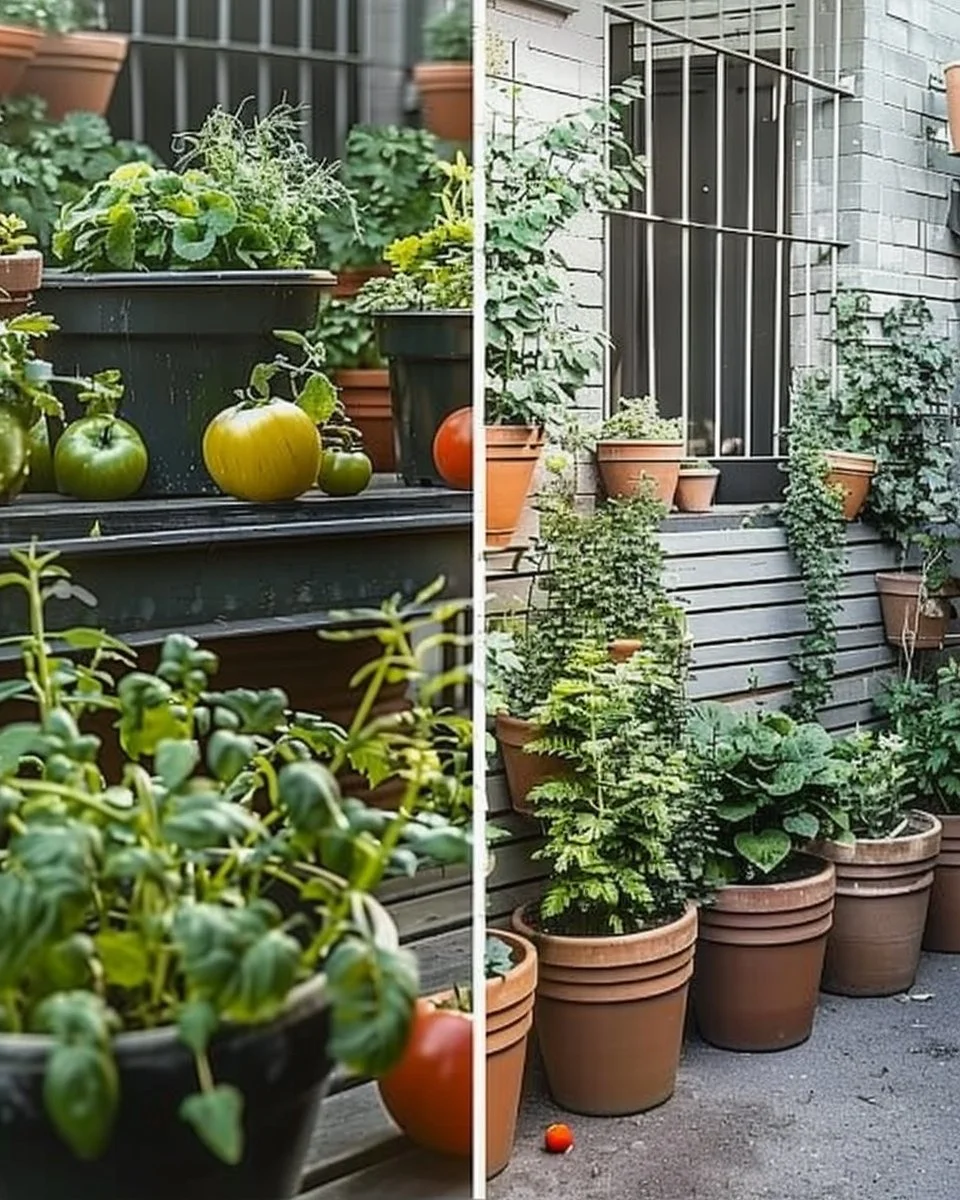
Container gardening is another excellent approach to maximizing your gardening efforts in small spaces. It provides flexibility and allows you to rearrange your plants as needed.
Choosing the Right Containers
When selecting containers, opt for those made from materials that retain moisture yet offer good drainage, like clay or certain types of plastics. The size will depend on what you’re growing; for example, larger vegetables like zucchini will need bigger pots, while herbs thrive in smaller ones.
Soil and Drainage Essentials
Quality soil is critical in container gardening. A good potting mix will provide the necessary nutrients while retaining moisture. Don’t forget to ensure proper drainage; consider placing stones or pieces of broken pottery at the bottom of your containers to prevent root rot.
Raised Bed Gardening
Raised beds can be a game-changer in a small vegetable garden. They allow you to mix soil to the perfect texture and make planting and maintenance much easier on your back!
Built-In Bench Design
If you’re handy, consider building raised beds with a bench feature. This not only provides a place to relax but raises your garden beds to a comfortable height for tending without bending over.
Layering for Growth
A key tip in raised bed gardening is layering the soil effectively. Start with larger materials like branches to ensure good drainage at the bottom, then add rich compost and topsoil. This mix will create a nutrient-dense environment for your vegetables.
Utilizing Window Sills and Balconies
Do you live in an apartment? There’s still hope for you to have your vegetable garden! Window sills and balconies can become your growing oasis.
Plants like herbs, lettuce, and microgreens can thrive in these spaces. With the right pots and considerable sun exposure, you’ll be amazed at how much you can cultivate just outside your window.
Companion Planting Strategies
Companion planting is a fantastic way to maximize space while creating a synergy in your garden. It involves planting different crops in proximity for mutual benefits, such as pest control and increased yield.
For example, planting basil alongside tomatoes can enhance their growth and flavor while also repelling pests. Research various combinations to find out which plants will thrive together in your space.
Efficient Watering Practices
Watering your garden efficiently is crucial, especially in a small space. Consider drip irrigation systems that minimize water waste and deliver moisture directly to the roots where it’s needed most.
Moreover, using self-watering containers can also help ensure that your plants receive a consistent supply of water, making your life easier and your garden healthier.
Seasonal Gardening Tips
Gardening doesn’t end with the planting; it varies seasonally. Keep in mind what vegetables grow best in each season and plan accordingly. For example, cool-season crops like kale and peas can be sown in early spring or fall, maximizing your space throughout the year.
Also, consider succession planting. After harvesting your first crop, promptly plant a new one in its place to make the most of your growing season.
Maintaining Your Small Garden
Finally, maintenance is key to ensuring the longevity and productivity of your small vegetable garden. Regularly check for pests and diseases, keep your plants trimmed, and ensure they’re receiving adequate nutrients. A rewarding garden experience is built on a foundation of regular care and attention.
Conclusion
In conclusion, creating a vegetable garden in a limited space is entirely achievable with the right approach. By following these 10 Space-Saving Small Vegetable Garden Ideas, you can create a backyard or balcony that thrives with life and fresh produce. Remember, gardening should be a joyful and fulfilling experience, so experiment, learn, and most importantly, enjoy the process of growing your own food!
FAQs
What vegetable can I grow in a small container?
You can grow a variety of vegetables in small containers, including herbs, radishes, and small peppers.
How much sunlight do vegetables need?
Most vegetables need at least 6 hours of direct sunlight each day to thrive.
Can I use regular soil in containers?
It’s best to use potting mix or a specially formulated soil for containers to ensure good drainage and nutrient availability.
How often should I water my small vegetable garden?
Watering frequency depends on your plants and the climate, but usually, once or twice a week is ideal for most plants.
What can I do to prevent pests in my garden?
Utilizing companion planting, natural insect repellents, and maintaining garden cleanliness can help minimize pest issues.