
Introduction
If you’ve ever strolled through a lush garden or admired stunning indoor plants, you might have found yourself captivated by the grace and beauty of ferns. These green beauties aren’t just lovely to look at; they also bring a touch of nature into our homes, creating a tranquil atmosphere. Have you ever wondered if you could grow ferns in water? The good news is that yes, you absolutely can! In this article, we’ll explore how to grow ferns in water, providing you with some incredible tips and insights that will help turn your living space into a verdant paradise. You’ll learn everything from selecting the right fern species to nurturing them as they flourish in their aquatic home.
Table of Contents
Choosing the Right Fern Species
When it comes to growing ferns in water, the choice of species is crucial. Not every fern will thrive in a water-only environment, and understanding your options can set you on the right path.
Popular Fern Varieties for Water Cultivation
Some top picks for water-loving ferns include:
- Boston Fern (Nephrolepis exaltata): This classic fern thrives in high humidity, making it a great candidate for growing in water.
- Water Fern (Salvinia): As the name suggests, this beauty floats on water and is entirely adapted to aquatic life.
- Maidenhair Fern (Adiantum): With its delicate fronds, this stunning fern loves moisture, benefiting from being grown in water.
Factors to Consider When Choosing
When selecting a fern for your water garden, consider the fern’s natural habitat. Species that prefer moist or marshy conditions are often ideal for water growth. Think about the size of the fern, its sunlight needs, and how quickly it will grow. Always opt for healthy plants without any signs of disease or damage.
Preparing Your Water Environment
Once you’ve chosen your fern, it’s time to create a suitable environment for it to thrive.
Types of Containers to Use
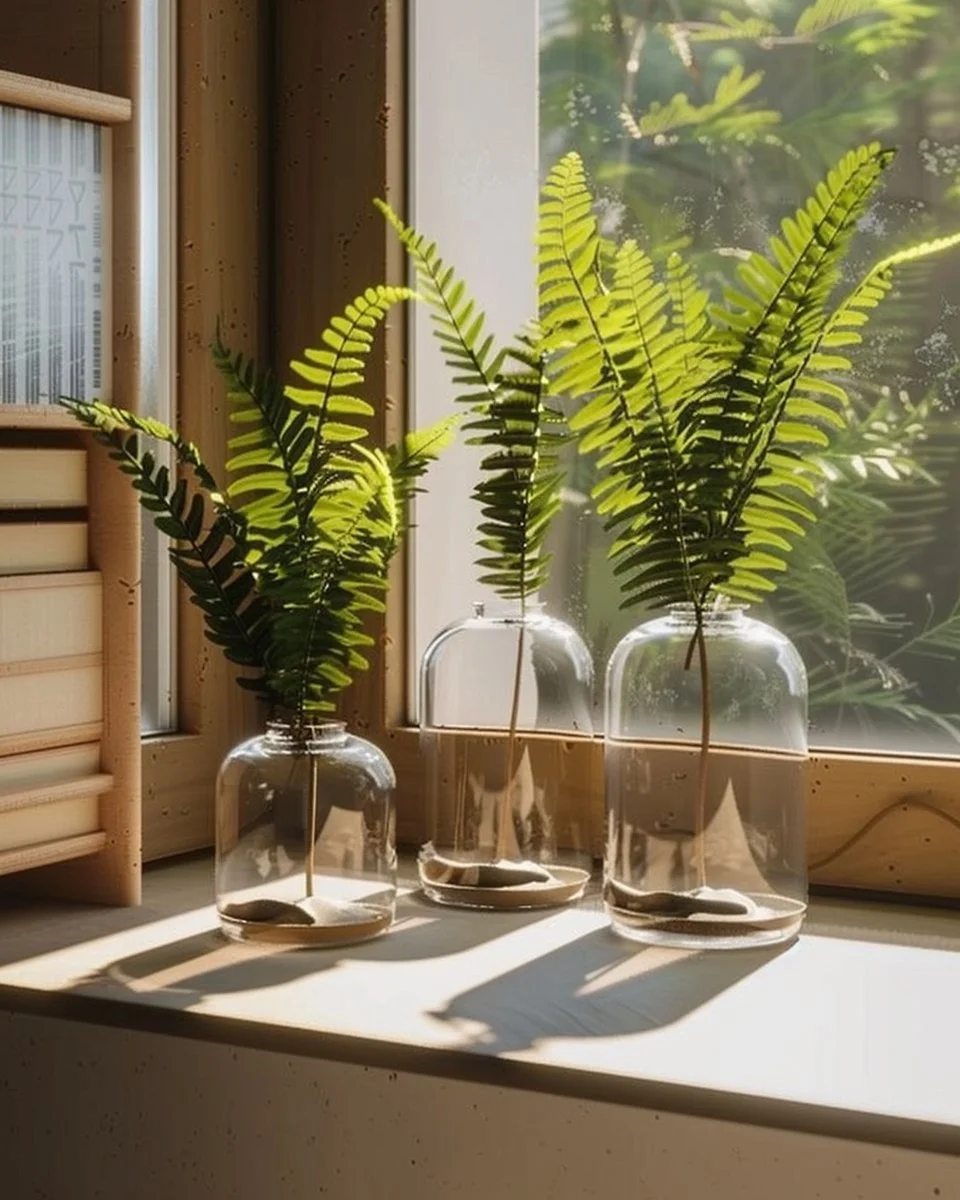
Selecting the right container is essential for growing ferns in water. Make sure to use clear glass or ceramic pots that allow light in. They’re not only visually appealing but also help you monitor the water level and the health of the roots. Avoid containers with chemicals or non-porous materials that could leach harmful substances into the water.
Creating the Ideal Water Conditions
Ferns appreciate clean, fresh water. It’s best to use distilled or filtered water to avoid chlorine or other chemicals in tap water. Make sure the water is at room temperature before introducing your fern. Adding a few stones at the bottom can help secure the roots and provide stability while still allowing ample airflow.
Caring for Your Water Ferns
With your ferns settled into their new watery home, you’ll need to attend to their care needs.
Nutritional Needs of Ferns
Ferns do require nutrients, even when grown in water. Consider using a diluted liquid fertilizer designed for ferns every four to six weeks. Be careful; too much fertilizer can harm your plants. Just a drop or two is often sufficient to give them the nutrients they need to grow strong and leafy.
Common Pests and How to Prevent Them
Sometimes, even your cherished ferns in water can face pest challenges. Keep an eye out for common culprits like aphids or spider mites. To manage these pests, use a simple solution of water mixed with a mild soap to spray and wash off any visitors. Regularly inspecting your plants also helps catch issues before they escalate.
Propagating Ferns in Water
Another fun aspect of growing ferns in water is the opportunity for propagation.
Techniques for Successful Propagation
Propagation can often be done through division or spores. For division, carefully separate a healthy part of your fern with roots and place it in its own water container. If you’re adventurous, collecting and sowing spores can also be rewarding, but know that this method takes more time and patience.
Timing Your Propagation
The best time to propagate ferns is during their active growth season—usually in spring. This will give your new plants the best chance to thrive as they receive optimal light and moisture.
Maintaining a Healthy Fern
Keeping a keen eye on your fern will help ensure its long-term health.
Water Quality and Changes
Regularly change the water every two weeks to keep it fresh, which helps prevent algae growth and bacterial buildup. If planting multiple ferns in one container, ensure that each plant has adequate space and water to thrive.
Seasonal Adjustments and Care
During the colder months, you might need to adjust the light and temperature conditions. Ferns generally prefer indirect light, but it’s essential to make sure they still get some brightness, especially in winter.
Troubleshooting Common Issues
Even with the best care, some challenges may arise when growing ferns in water.
Signs of Fertility Problems
If you notice yellowing leaves or stunted growth, it could be a sign of nutrient deficiency or water quality issues. Consider checking your water parameters and giving your fern a mild fertilizer boost.
Solutions for Stunted Growth
If your ferns seem stagnant, evaluate their light conditions. Lack of sufficient light can lead to poor growth. Move them to a brighter location (but remember, indirect light is key!) and monitor their progress.
Conclusion
Growing ferns in water is a rewarding endeavor that offers numerous benefits, from purifying the air to enhancing your indoor spaces. By choosing the right fern species, preparing a suitable environment, and providing proper care, you can successfully cultivate these lush plants in a simple water setup. Remember to keep an eye on their needs, and soon enough, you’ll have beautiful ferns to enjoy year-round. Dive into this green journey, and let your love for ferns flourish!
FAQs
Can all ferns be grown in water?
Not all ferns thrive in water, but many moisture-loving varieties do, such as the Boston fern and maidenhair fern.
How often should I change the water for my ferns?
You should change the water every two weeks to keep it fresh and prevent algae and bacteria growth.
Do I need to fertilize water-grown ferns?
Yes, using a diluted liquid fertilizer every four to six weeks can help meet their nutritional needs.
How can I tell if my fern is healthy?
Healthy ferns typically have vibrant green fronds, robust growth, and no signs of pests or disease.
What’s the best way to propagate ferns?
Propagation can be done by division or from spores. Division is often easier and quicker for beginners.