
Introduction
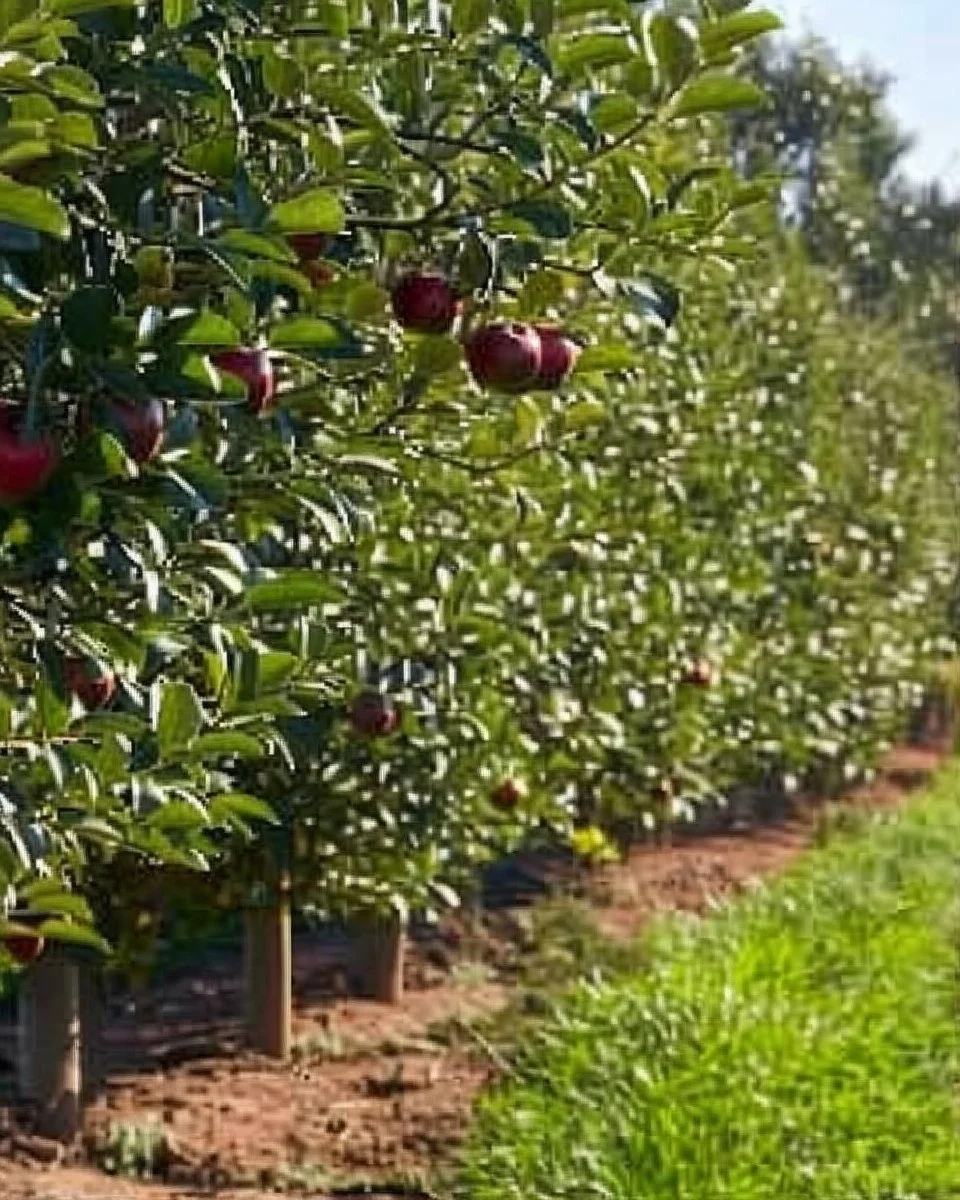
Have you ever gazed out at your backyard, only to feel like your cozy haven is just a little too exposed? You’re not alone! Many people crave privacy in their outdoor spaces, yet want to avoid the mundane feel of traditional fencing. Enter fruit trees—the perfect solution for a natural privacy screen that not only enhances your landscape but yields delicious fruits as a bonus! In this article, we’ll explore innovative ideas for incorporating fruit trees in privacy screens while creating a serene, productive garden space. Get ready to transform your yard into a fruitful paradise!
Table of Contents
Choosing the Right Fruit Trees for Privacy Screens
When it comes to incorporating fruit trees in privacy screens, the first step is selecting the right trees. Not all fruit trees are created equal, and it’s crucial to consider a few key factors.
Factors to Consider
- Growth Habit: You’ll want trees that grow tall and bushy rather than wide. Varieties like columnar apple or peach trees are fantastic choices for tighter spaces.
- Climate: Ensure the fruit trees you choose can thrive in your region’s climate. Consult local gardening centers for recommendations based on your area’s temperature and precipitation.
- Sunlight Requirements: Most fruit trees thrive in full sun, so pick a location that offers at least six hours of sunlight a day.
Best Fruit Trees for Your Region
Depending on where you live, some fruit trees will perform better than others. Here are a few favorites that tend to work well in many regions:
- Apple Trees: Many varieties can fit smaller spaces and offer great screening.
- Cherry Trees: Both sweet and sour varieties provide beauty and privacy.
- Peach Trees: Ideal for southern climates, they produce lush foliage and tasty fruits.
Choosing the right fruit trees is the cornerstone of successfully incorporating fruit trees in privacy screens.
Designing Your Privacy Screen with Fruit Trees
After picking your trees, it’s time to transcend from selection to design. Thoughtful layout and plant selection can significantly enhance the effectiveness of your privacy screen.
Layout Ideas
- Single-Row Planting: Plant fruit trees in a single row at the back of your property line. This can create a visual barrier without taking up too much space.
- Staggered Planting: For denser foliage, alternate the heights of various trees in a staggered formation.
- Tiered Approach: Use taller trees at the back and shorter trees in front to create a layered effect that provides full visual coverage.
Companion Plants for a Lush Look
Enhance your privacy screen by introducing companion plants. Herbs like rosemary or basil not only thrive in similar conditions but can also repel pests. You might also consider flowering plants such as lavender or marigolds to attract beneficial pollinators while adding vibrant color.
Maintenance Tips for a Healthy Privacy Screen
The key to a thriving privacy screen is consistent maintenance. Regular care not only supports the health of your trees but also keeps your space looking its best.
Pruning and Training
Regular pruning is essential. Remove any dead or crossed branches to promote airflow and healthy growth. Utilize training techniques, such as espalier, to keep your trees neat and increase fruit production while maintaining their privacy screen function.
Pest Management Strategies
Healthy trees are less likely to attract pests, so focus on preventative measures. Consider using organic sprays to manage pests without harming beneficial insects. Also, mulch around your trees to retain moisture and suppress weeds, creating a healthier environment for your fruit trees.
Benefits of Incorporating Fruit Trees in Privacy Screens
There’s more than just aesthetics to gain from incorporating fruit trees in privacy screens; the benefits extend far beyond mere privacy concerns.
Environmental Impact
Fruit trees contribute positively to the environment by absorbing carbon dioxide, producing oxygen, and supporting local wildlife. They can also improve soil quality through their root systems, mitigating erosion.
Aesthetic Appeal and Functionality
Imagine stepping into your backyard adorned with luscious fruit-laden trees! They create an inviting atmosphere, enrich your sensory experience with vibrant colors and sweet fragrances, and offer functional benefits like shade and wind protection.
Common Challenges and Solutions
While the concept of incorporating fruit trees in privacy screens sounds dreamy, it can come with its challenges. Tackling these head-on will ensure your success!
Space Limitations
If you’re dealing with a smaller yard, don’t worry! Consider dwarf fruit tree varieties, or choose columnar trees that take up minimal space while still providing plenty of privacy and fruit.
Seasonal Considerations
In colder climates, seek trees that can withstand frost and have late-blooming flowers. This way, you can maintain your privacy screen throughout the seasons. If you’re in a warmer area, you have the flexibility to grow fruit trees that thrive in heat.
Inspiring Examples of Fruit Tree Privacy Screens
If you’re seeking some creative inspiration, consider looking at local botanical gardens or community gardens where homeowners and landscapers have taken the plunge. For instance, I recall visiting a charming neighborhood filled with pear trees, beautifully pruned to create an inviting privacy screen. The delightful scent of blossoms in spring was unforgettable, offering an airy yet secluded ambiance.
Conclusion
As we’ve explored, incorporating fruit trees in privacy screens not only enhances your yard’s aesthetics and productivity but also fosters a gentle connection with nature. Armed with the right knowledge and a little creativity, you can craft a lush, vibrant environment that provides beauty and delicious fruits year after year. So, why not get started today? Your dream garden awaits!
FAQs
What are the best fruit trees for privacy screens?
Some top choices include apple, peach, and cherry trees, especially those with a narrow growth habit.
How far apart should I plant my fruit trees for privacy?
Generally, trees should be spaced based on their mature width. A good rule is to plant them at least 6 to 10 feet apart.
Do fruit trees need more care than ornamental trees?
Fruit trees can require more care, particularly during fruiting seasons, but with proper maintenance, they can thrive beautifully.
Can I mix fruit trees with ornamental plants?
Absolutely! Companion plants can enhance your privacy screen while attracting beneficial insects and adding visual interest.
Are columnar fruit trees worth considering?
Yes! Columnar fruit trees are perfect for small spaces and can provide excellent coverage while yielding tasty fruits.