Introduction
Imagine this: It’s a beautiful afternoon, and you want nothing more than to sit outside, basking in the sun and enjoying the gentle sounds of nature. But wait—what’s that? The relentless hum of traffic nearby breaks the tranquility, leaving you frustrated and yearning for peace. If you’ve ever felt this way, you’re not alone! Many people battle the cacophony of road noise that seeps into their homes or yards, disrupting their slice of paradise. Fortunately, there’s hope. In this article, we’ll explore the 9 Best Trees To Block Road Noise effectively, helping you create a natural barrier and turn your outdoor space back into a serene sanctuary. You’ll discover not only the best choices for sound-dampening foliage but also how these trees can enhance your property’s beauty and value. Let’s dig in!
Table of Contents
Benefits of Planting Trees for Noise Reduction
Have you ever considered the unique benefits trees provide beyond just shade and beauty? One of their most underrated advantages is their ability to act as natural sound barriers. Trees absorb, deflect, and refract sound, which can significantly reduce the impact of road noise on your property. Here are a few benefits of planting trees to alleviate noise pollution:
- Sound Absorption: Foliage captures sound waves, making the environment quieter.
- Enhanced Privacy: Trees add an aesthetic barrier, shielding you from the prying eyes of passersby.
- Improved Air Quality: Trees filter air pollutants and provide oxygen, enhancing your outdoor experience.
By strategically planting the 9 Best Trees To Block Road Noise, you can truly transform your backyard into a peaceful retreat.
Ideal Characteristics of Trees That Block Noise
Not all trees are created equal when it comes to blocking noise. If you want to ensure maximum effectiveness in sound reduction, look for trees with the following characteristics:
- Dense Foliage: The thicker the foliage, the better it is at absorbing noise.
- Height: Taller trees create a more significant barrier, especially for higher frequency sounds.
- Wide Canopy: A broad canopy offers more surface area to deflect noise.
When choosing a tree, consider how these characteristics align with the specific noises you want to mitigate.
Best Trees To Block Road Noise
Choosing the right variety can be intimidating, but don’t worry! Here’s a rundown of the 9 Best Trees To Block Road Noise—each offering unique benefits for your property.
Evergreen Trees for Year-Round Coverage
These trees maintain their foliage all year, providing consistent coverage against noise, rain, and wind.
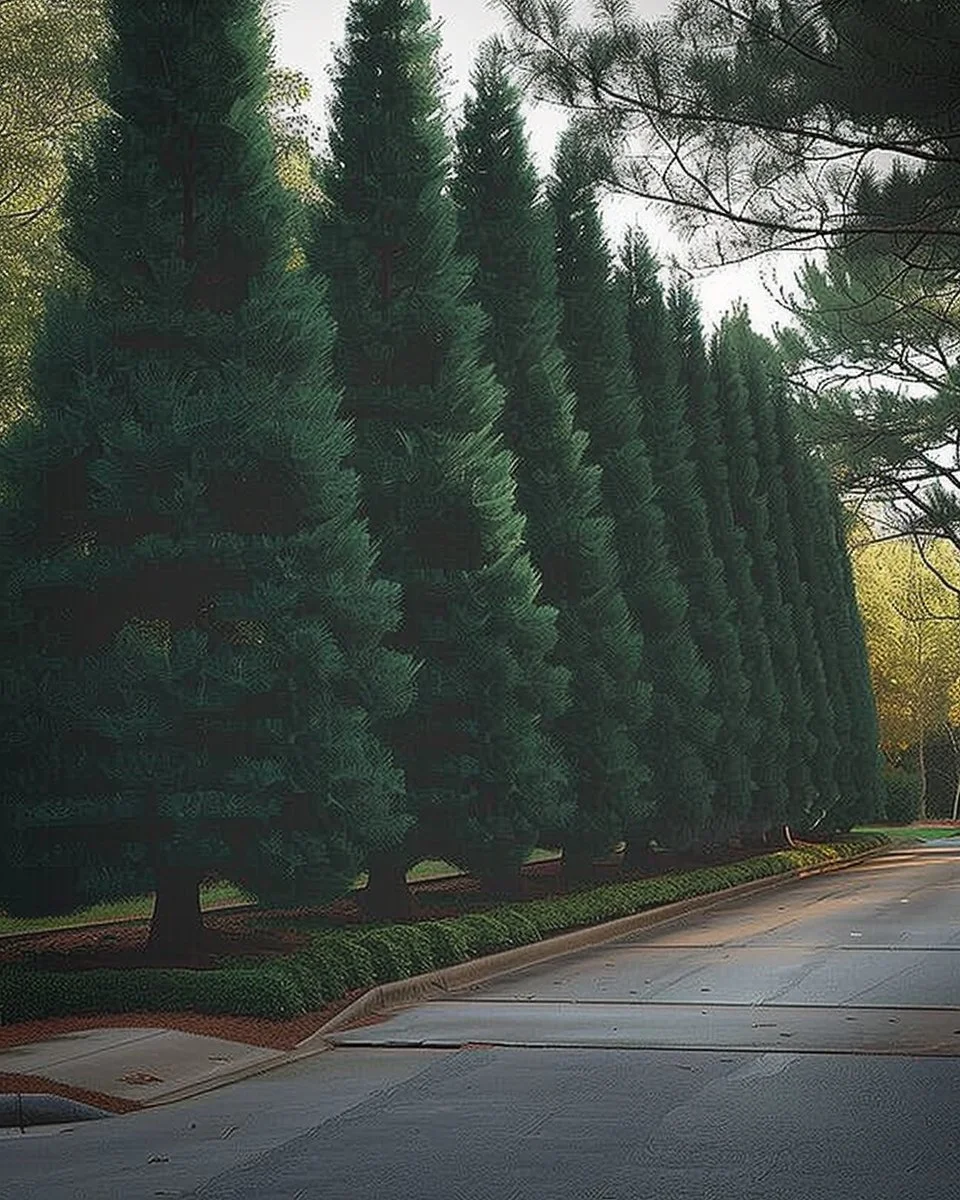
- Leyland Cypress: Fast-growing and dense, perfect for creating an immediate green wall.
- Eastern Red Cedar: Native to many regions and resistant to pests. Its dense canopy effectively absorbs sound.
Deciduous Trees for Seasonal Benefits
Although they lose their leaves in winter, many deciduous trees are excellent for noise reduction during the warmer months.
- Sugar Maple: Gorgeous fall colors, while its thick leaves absorb sound during summer.
- London Plane Tree: Hardy and adaptable, it thrives in urban areas and forms a wide canopy.
Fast-Growing Options for Quick Results
If you want instant relief from noise, consider trees that grow rapidly.
- Hybrid Poplar: Known for its speed and height, it quickly creates a sound barrier.
- Willow Tree: With their faster growth rate and unique, flowing branches, willows can also add charm to your yard.
Ornamental Trees That Are Aesthetically Pleasing
If you want to add beauty while reducing noise, opt for these ornamental choices.
- Flowering Cherry: Known for beautiful blooms and moderate sound absorption.
- Magnolia: Elegant and fragrant, magnolias offer noise reduction with stunning visuals.
Planting and Maintenance Tips for Your Trees
Planting trees requires careful planning and ongoing care to ensure they thrive. Here’s a quick guide to help you get started:
- Choose the Right Location: Ensure your trees are planted at a distance from your property line, allowing enough room to grow.
- Soil Preparation: Amending soil for optimal drainage and nutrients is crucial for long-term health.
- Regular Pruning: This encourages healthy growth, allowing trees to develop strong, dense canopies over time.
Have you ever felt overwhelmed by how much work is involved in caring for a tree? Fear not! Many of the trees mentioned are relatively low-maintenance.
Creating an Effective Buffer Zone
To enhance the noise-blocking capabilities of your trees, consider creating a buffer zone. Here’s how you can do it:
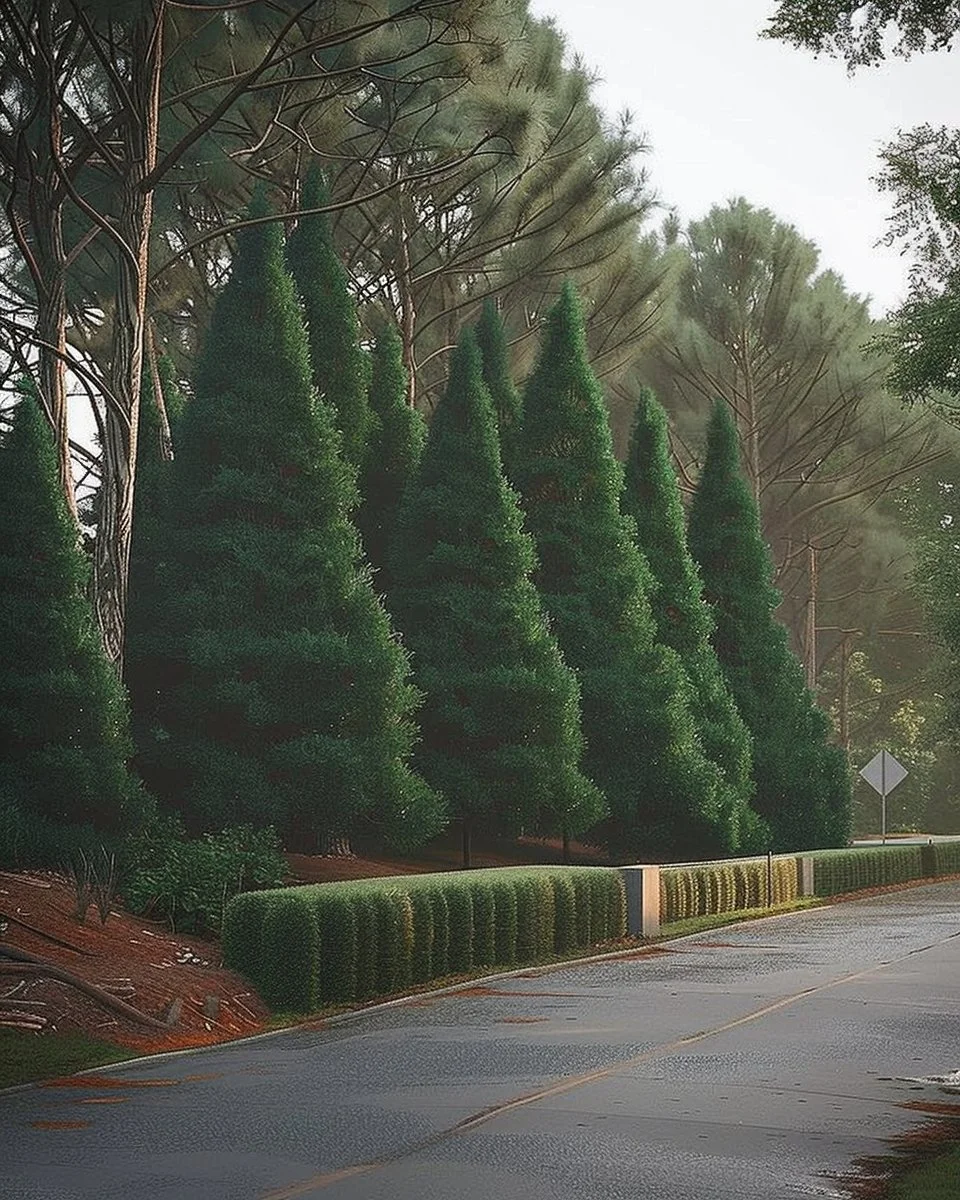
- Multiple Layers: Planting trees in layers—taller trees at the back, medium height in the middle, and shorter varieties in front—will maximize sound absorption.
- Combine Foliage Types: Mixing evergreens with deciduous trees can create an attractive landscape while offering full coverage across seasons.
A well-planned buffer zone not only reduces noise but also adds depth and interest to your outdoor space.
Real-Life Success Stories of Noise Reduction
Consider the story of John, a suburban homeowner who felt overwhelmed by the constant sound of traffic. He decided to plant a mix of Leyland cypress and sugar maples in his backyard. Within a few years, not only did the trees flourish, but he also noticed a significant reduction in the noise level. “It felt like I gained an additional room outside,” he shared with a smile.
By investing time in selecting the right trees and creating a thoughtful landscape, you can enjoy a similar experience.
Conclusion
Incorporating the 9 Best Trees To Block Road Noise into your landscape can transform your outdoor living spaces into peaceful retreats. From the lush, year-round coverage of evergreens to the stunning seasonal displays of deciduous trees, there’s a perfect option for every garden. Remember to plant carefully and maintain your trees to reap the maximum benefits. Don’t let road noise disrupt your enjoyment of nature; take the first step towards serenity today by choosing the right trees for your needs.
FAQs
What are the most effective trees for noise reduction?
Some of the most effective trees include Leyland cypress, Eastern red cedar, and sugar maple, all known for their dense foliage and sound-absorbing capabilities.
How long does it take for trees to block noise?
It usually takes a few years for trees to grow tall enough and develop dense foliage that effectively blocks noise.
Are there low-maintenance options for noise-reducing trees?
Yes! Many trees like Eastern red cedar and magnolia require minimal maintenance and are great for noise control.
Can I mix different types of trees for better results?
Absolutely! A mixture of evergreens and deciduous trees can provide year-round noise reduction while adding beauty to your landscape.
How far from the road should I plant trees for optimal noise reduction?
Generally, planting at least 10-20 feet from the road allows sufficient space for the trees to grow and form an effective sound barrier.