
Introduction
We’ve all been there: tossing and turning, staring at the ceiling, while countless thoughts swirl around in our minds late at night. Sometimes, the answer to a better night’s sleep isn’t just about counting sheep—it’s in the plants that surround us. Recent studies indicate that certain houseplants can improve air quality and promote relaxation, ultimately helping you drift off to dreamland more easily. In this guide, we’ll explore the 12 Best Houseplants That Help You Sleep Better Every Night. You’ll not only discover which plants are the most beneficial but also learn tips for caring for them to maximize their calming effects.
Table of Contents
Benefits of Houseplants for Sleep
Houseplants aren’t just decorative; they play an essential role in improving our indoor environments. One significant benefit is their ability to purify the air. Plants like the snake plant release oxygen at night, which can provide a fresher atmosphere for your sleep. Additionally, many plants reduce stress and anxiety by fostering a calming environment, helping to transition your mind from the busyness of the day to a more peaceful state conducive to sleep.
Have you ever walked into a room filled with greenery and felt an immediate sense of relaxation? That’s not just a coincidence! Studies have shown that by simply being around plants, you can lower your heart rate and reduce feelings of anxiousness, making it easier to wind down before bed.
Top Houseplants for Sleep Improvement
Choosing the right plants for your bedroom can significantly enhance your sleep quality. Here are our top recommendations from the 12 Best Houseplants That Help You Sleep Better Every Night:
Lavender
Lavender is renowned for its soothing fragrance. Scientific research points to its effectiveness in reducing anxiety and improving sleep quality. Consider placing a pot of lavender on your nightstand or drying the flowers for a sachet under your pillow.
Snake Plant
The snake plant is virtually indestructible and is perfect for those who might not have a green thumb. It releases oxygen during the night, helping to purify the air and create a more refreshing environment while you sleep.
Aloe Vera
Known for its medicinal properties, aloe vera is also great for air purification. It absorbs toxins and emits oxygen, making your bedroom a safe haven for restful sleep. Plus, it’s incredibly easy to care for!
Peace Lily
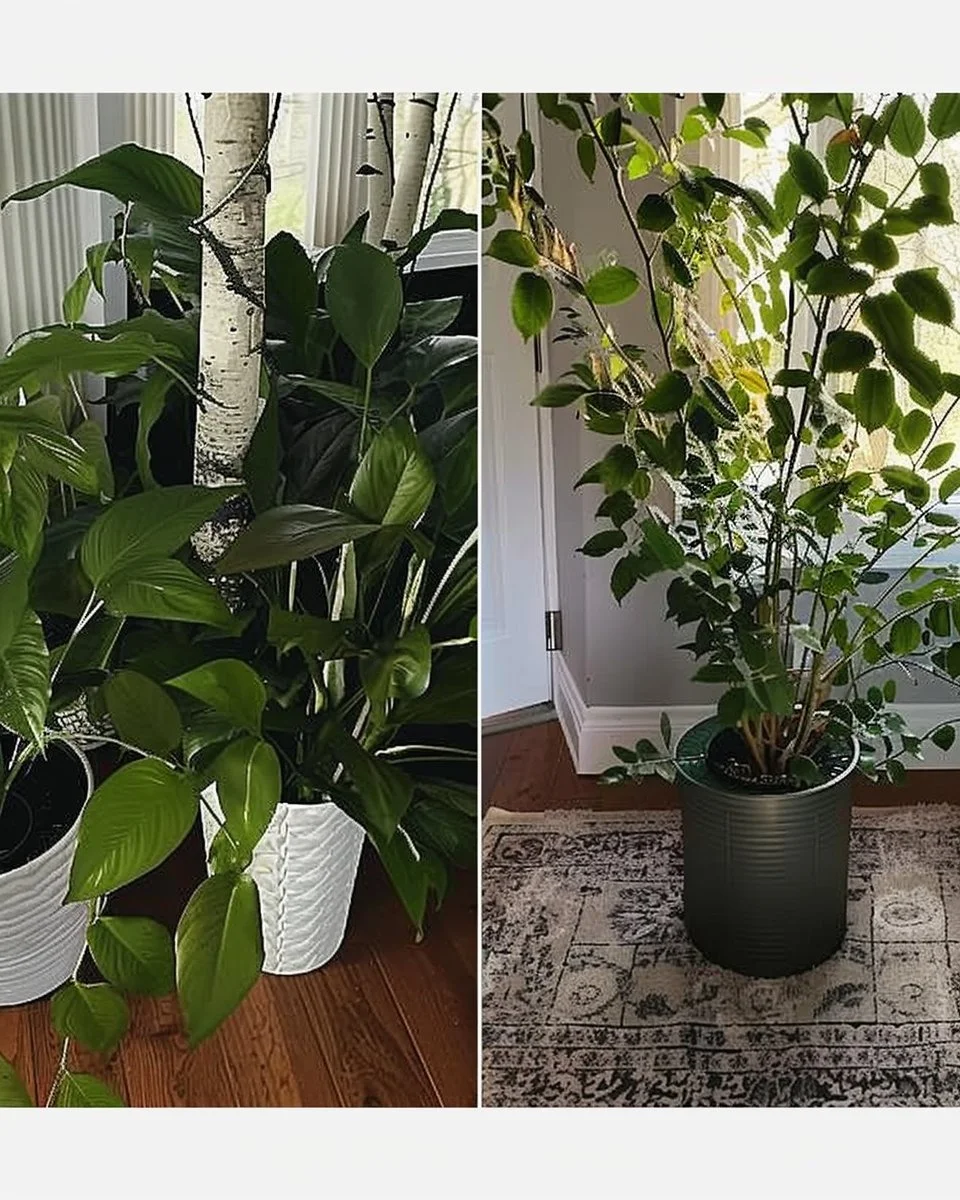
With its stunning white blooms, the peace lily is not only beautiful but also functional. It removes pollutants such as formaldehyde and benzene from the air and blooms at night, adding a fresh touch to your sleep environment.
Spider Plant
Spider plants are another air-purifying champion. They can filter out harmful chemicals and produce oxygen effectively. They thrive in indirect sunlight, making them perfect for bedrooms.
Valerian
Often used in herbal remedies for insomnia, valerian has a distinct earthy smell that many find calming. Growing valerian requires more care, but the sleep benefits are worth it!
Tips for Caring for Sleep-Inducing Houseplants
When incorporating the 12 Best Houseplants That Help You Sleep Better Every Night into your home, remember that care and positioning are crucial. Here are some tips:
Choose the Right Spot: Most of the plants listed thrive in indirect sunlight. Avoid placing them in direct sunlight as it can scorch their leaves.
Water Wisely: Overwatering can lead to root rot. Ensure your pots have drainage holes and only water when the soil feels dry an inch below the surface.
Dust the Leaves: Dust can accumulate on leaves, limiting their ability to photosynthesize. Gently wipe them with a damp cloth to keep them clean and effective.
Creating a Sleep-Friendly Plant Environment
Creating a serene atmosphere for sleep often involves more than just placing a few plants around. Here are some strategies to enhance your sleep-friendly environment:
Positioning: Place plants that thrive at night, like the snake plant and peace lily, close to your bedside to maximize their air-purifying effects while you sleep.
Scent Considerations: Use calming fragrances. A few drops of lavender essential oil on your pillow can complement the soothing benefits of having a lavender plant in your room.
Declutter: A tidy room promotes relaxation. Ensure your plant arrangement doesn’t feel overcrowded, but enhances the overall ambiance of your sleep space.
Anecdotes and Experiences with Sleep and Houseplants
Many people have shared their personal stories about how houseplants transformed their sleep habits. Take Sarah, for instance—she struggled with insomnia for years. After getting a peace lily and a snake plant, she noticed a real difference in her mood and sleep. She often shares how a calming bedtime routine combined with the presence of her plants helped switch her mind into “rest mode.”
This kind of botanical therapy is becoming a sought-after approach to sleep improvement, providing not just aesthetic benefits, but true wellness.
Conclusion
Incorporating the 12 Best Houseplants That Help You Sleep Better Every Night can profoundly impact your sleeping habits. With their air-purifying qualities and calming effects, plants can turn your bedroom into a sanctuary for relaxation. By choosing the right varieties and taking care of them properly, you’ll enhance both your sleep environment and your overall well-being. So, why not start planting for better sleep tonight?
FAQs
Do houseplants really help improve sleep?
Yes! Many houseplants purify the air and promote relaxation, contributing to better sleep.
How many plants should I have in my bedroom?
While it depends on your space, having 2-5 well-placed plants can create a calming atmosphere without feeling cluttered.
Are there plants that shouldn’t be in the bedroom?
Yes, some plants can be toxic. Avoid plants like certain lilies or philodendrons if you have pets or small children.
Can I use essential oils along with plants?
Absolutely! Combining the scents of certain essential oils, like lavender, with plants can enhance relaxation.
How often should I water my sleep-inducing plants?
It varies by type. Generally, check the soil; if it’s dry an inch down, it’s time to water.