
Introduction
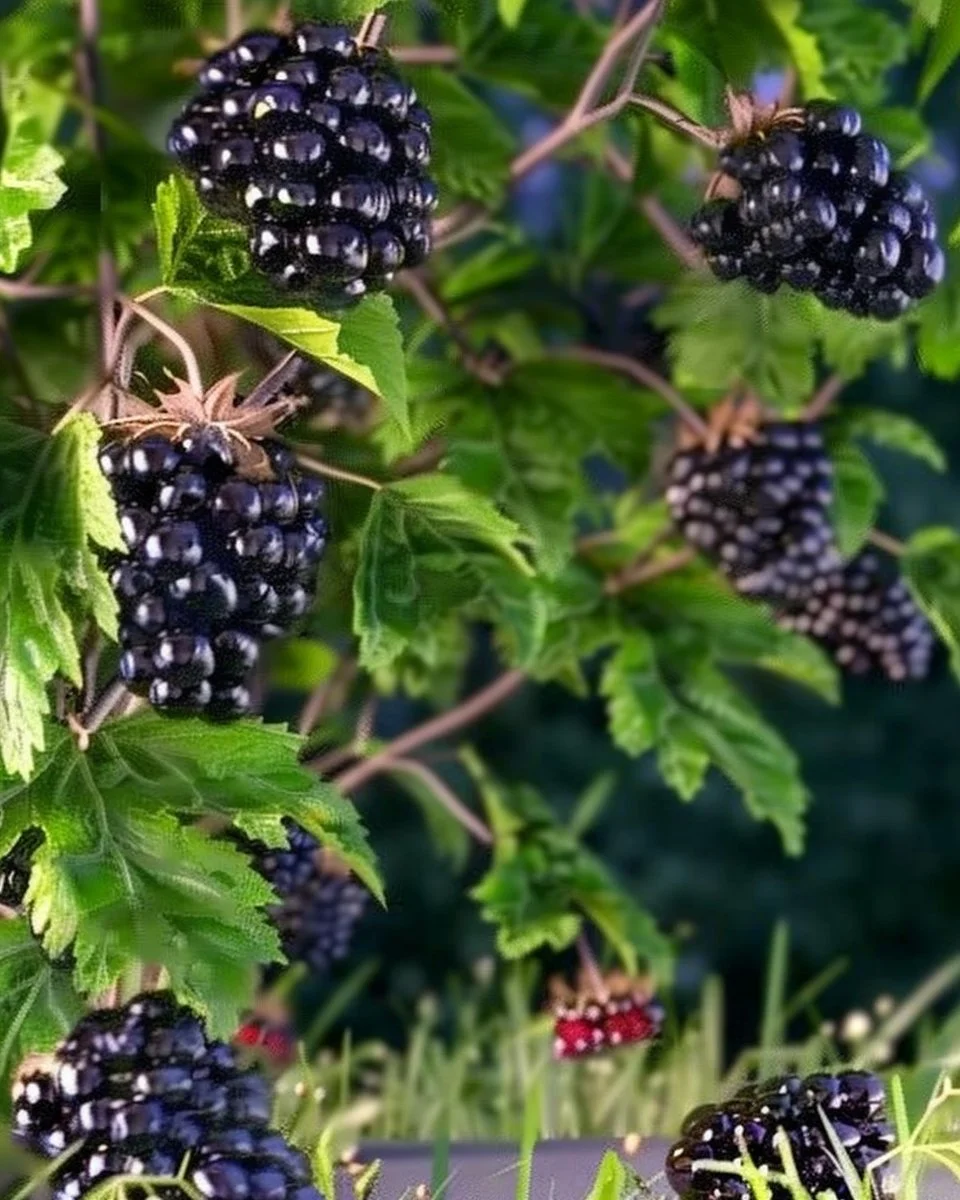
Have you ever tasted a freshly picked blackberry, warm from the sun, bursting with flavor? If you’re like many lovers of this delicious fruit, you might be wondering HOW TO GROW BLACKBERRY CANES in your own yard. Growing blackberry canes is not just about enjoying the sweet rewards; it’s also an incredibly satisfying experience that connects you with nature and provides a great hobby.
In this guide, you’ll learn the essential steps to cultivate healthy blackberry canes, from choosing the right varieties to ensuring they thrive in your garden. Whether you’re a seasoned gardener or a newbie, the tips I’ll share will help you build a flourishing blackberry patch that can yield delicious fruit for years to come.
Table of Contents
Selecting the Right Variety
Types of Blackberry Canes
When you embark on the journey of HOW TO GROW BLACKBERRY CANES, the first step is selecting the right variety. Blackberries come in many types, including:
- Trailing Blackberries: These have long, flexible canes that need support and tend to spread out, making them ideal for trellises.
- Erect Blackberries: Stiffer canes that stand upright and require less space. They’re perfect for smaller gardens.
Each type has its own growth habits and flavor profiles. Do some research or visit a local nursery to find out which varieties thrive in your area.
Factors to Consider
Consider your climate and available space when choosing your blackberry variety. If you live in a warmer region, you might opt for southern highbush varieties, while colder areas may benefit from hardier types. Your selection should also fit your gardening lifestyle: do you prefer low-maintenance plants, or are you up for more care in exchange for potentially larger fruits?
Preparing Your Garden Bed
Soil Requirements
Blackberries thrive in well-draining soil that’s rich in organic matter. Before planting, enrich your garden bed with compost or well-rotted manure. You can also test your soil’s pH; blackberries prefer a slightly acidic to neutral range of 5.5 to 6.5. Amending your soil with sulfur or lime can help you achieve the right pH balance.
Sunlight and Spacing
Choose a location that receives at least 6–8 hours of sun daily—this is crucial for productive canes. In terms of spacing, ensure you plant your canes 3 to 4 feet apart to allow for good air circulation, which also helps prevent diseases.
Planting Blackberry Canes
Timing for Planting
The best time to plant blackberry canes is in early spring after the last frost or in late fall before the ground freezes. Planting during these times encourages healthy root development.
Techniques for Planting
When you’re ready to plant, dig a hole that’s twice as wide and deep as the root ball. Place the cane in the hole, ensuring the top of the root ball is level with the soil surface. Gently backfill the hole with soil, tamping down to eliminate air pockets. Water generously after planting to help your canes settle in.
Caring for Your Blackberry Canes
Watering and Fertilization
Blackberry canes need consistent moisture, especially during their first year. Water them deeply once a week, ensuring the soil is moist but not soggy. After establishing, you can reduce watering. Fertilize with a balanced fertilizer in early spring and again in late summer to promote healthy growth and fruit production.
Pruning for Health and Productivity
Pruning is a crucial aspect of HOW TO GROW BLACKBERRY CANES successfully. In the first year, pinch off the tips of new canes when they reach about 3 feet tall to encourage branching. In subsequent years, prune back old canes that have borne fruit while cutting back new canes to create a balance and promote a bushier plant.
Protecting Blackberry Canes from Pests
Common Pests to Watch For
Blackberries can attract various pests, including aphids, spider mites, and Japanese beetles. Regularly inspecting your plants will help you catch infestations early.
Organic Solutions for Pest Control
If you encounter pests, consider organic solutions like neem oil or insecticidal soap. These are less harmful to beneficial insects and can control the population without the use of harsh chemicals. Have you ever tried using companion planting to ward off pests? Plants like marigolds and basil can help deter common pests!
Harvesting and Storing Blackberries
When to Harvest
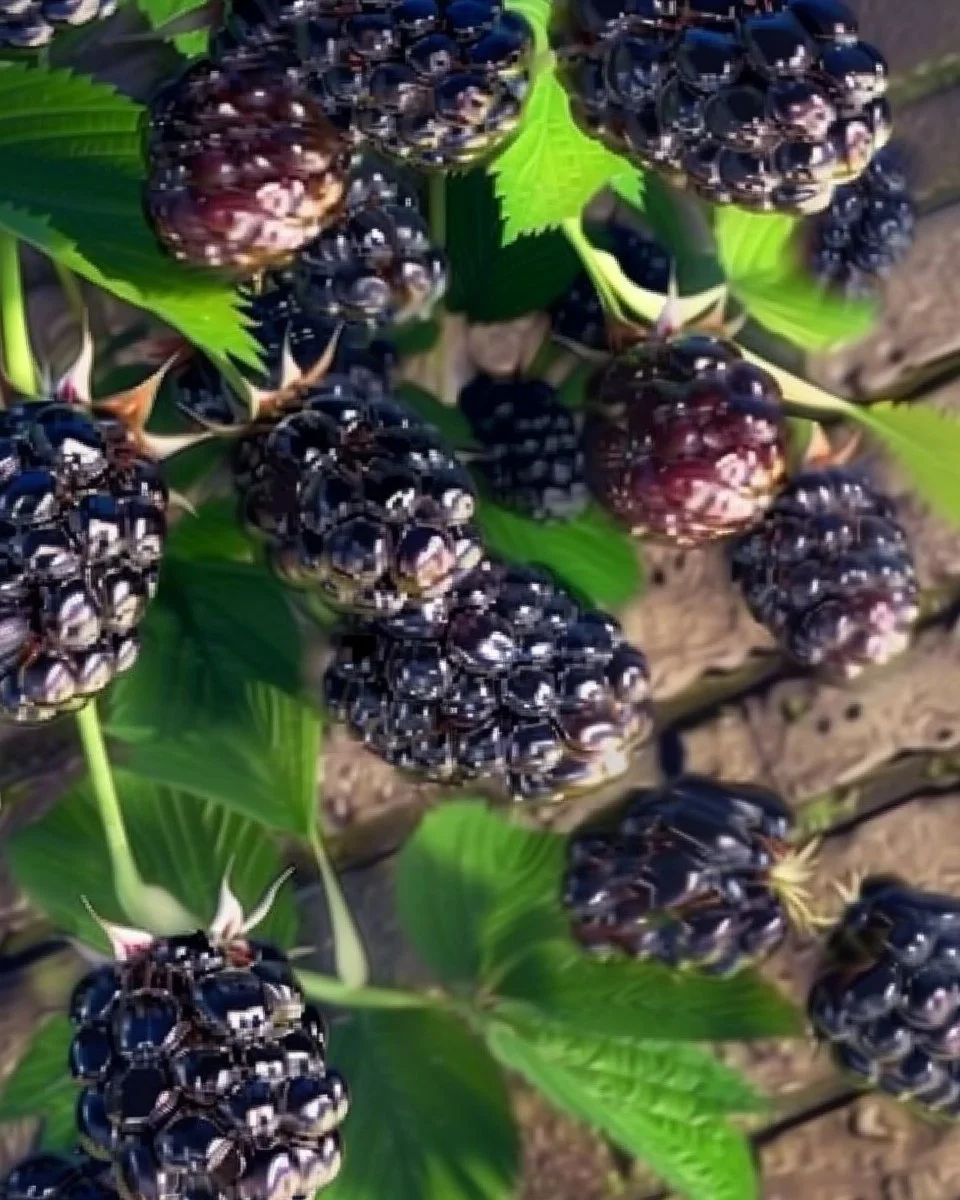
Timing your harvest is essential for enjoying the best flavor. Blackberries are typically ready to pick when they are fully black, plump, and easy to detach from the stem. Explore your garden frequently, as this will help you catch the berries at their peak.
How to Store Your Harvest
Once harvested, blackberries can be stored in the refrigerator for up to a week. For longer storage, consider freezing them. Simply wash, dry, and spread the berries on a baking sheet to freeze individually before transferring them to freezer bags. This way, you can enjoy your summer harvest year-round!
Conclusion
Growing blackberry canes can be a rewarding endeavor that not only beautifies your garden but also provides you with delicious fruit. By understanding how to select, plant, care for, and harvest your canes, you can create a flourishing blackberry patch that delights you and your family for many seasons to come. So why wait? Grab your gardening gloves, choose your favorite variety, and get started on this sweet journey!
FAQs
Why are my blackberry canes not producing fruit?
Blackberry canes that aren’t producing fruit may be too young or not receiving enough sunlight. Ensure they’re well-pruned and fertilized to encourage growth.
How can I improve the soil for my blackberry canes?
Improving soil can be achieved by adding organic matter like compost or well-rotted manure, which enhances both drainage and nutrient content.
Do blackberry canes need a lot of maintenance?
While all plants require some care, blackberry canes are relatively low-maintenance once established. Ensure you water regularly and prune yearly.
Can I grow blackberries in pots?
Yes! Choose a sturdy container, ideally 5 gallons or larger, and ensure it has drainage holes. This makes for a great option if space is limited.
What should I do with my blackberries after I pick them?
After harvesting, wash the berries gently and enjoy them fresh, or store them in the fridge for up to a week. They can also be frozen for longer-term storage.