
Introduction
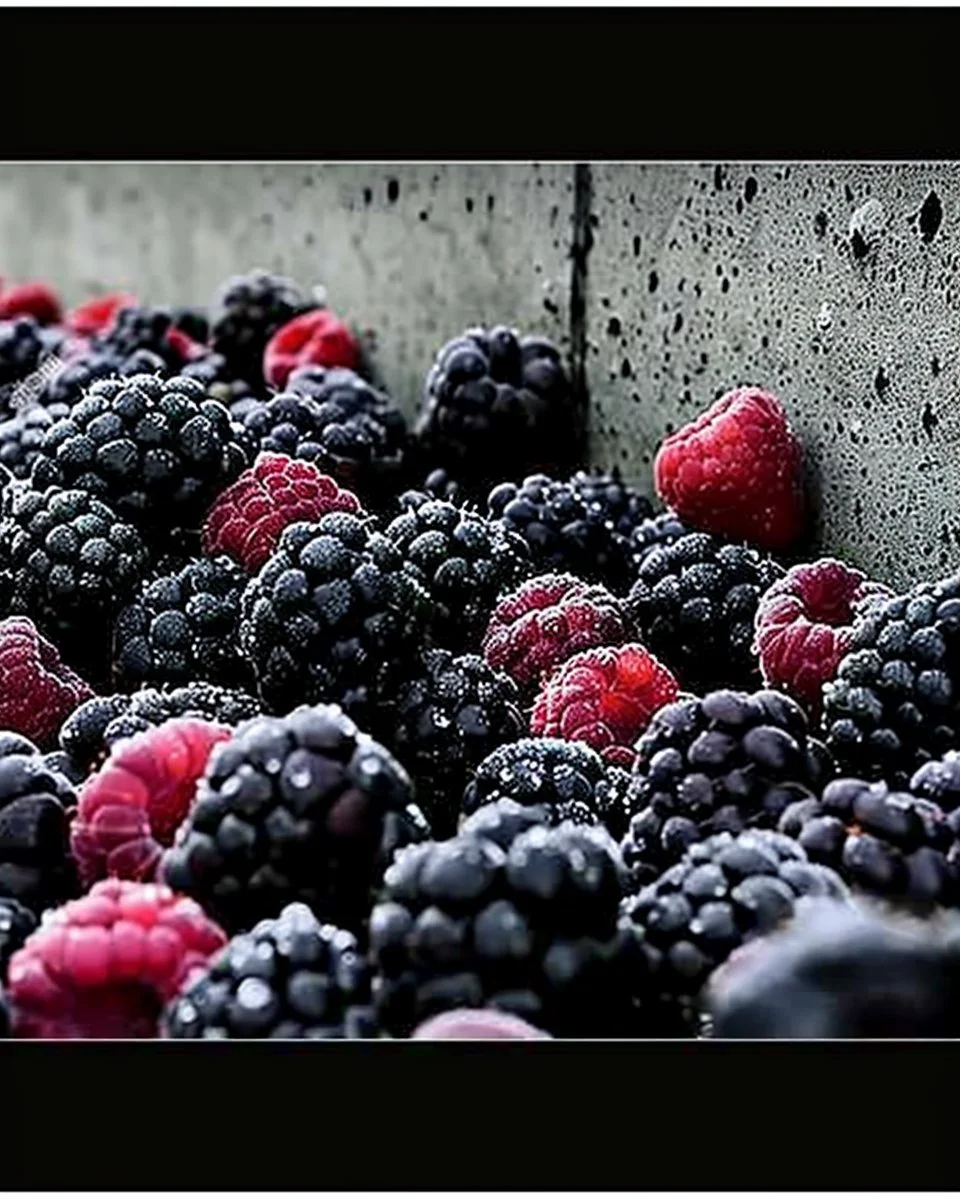
There’s something uniquely satisfying about tending to a garden and enjoying the fruits of your labor—literally! If you’ve ever bitten into a plump, juicy black raspberry, bursting with flavor, you know just how delicious this experience can be. Black raspberries are not only delightful to eat but also relatively easy to grow, making them an excellent choice for gardeners of all skill levels. In this article, we’re sharing essential tips for growing juicy black raspberries every time, ensuring that your harvests will be plentiful and sweet. Whether you’re a newbie or looking to refine your gardening skills, you’ll find practical advice that you can apply right away. Let’s dig in!
Table of Contents
Soil Requirements and Preparation
Healthy raspberries start with quality soil. They thrive in well-draining soil that’s rich in organic matter. Soil pH levels should ideally fall between 5.5 and 6.8. Have you ever tested your garden soil? It’s a crucial step in ensuring that your plants will be happy. You can buy a soil testing kit or send a sample to a local extension service for analysis. If your soil’s pH is too low or too high, you can amend it with lime or sulfur, respectively, to get it just right.
Adding compost or well-rotted manure can also improve soil structure and nutrient content. Before planting, till the soil about 12 inches deep to help break up compacted areas, which aids root growth. This preparation will pay off handsomely when you see your plants thriving!
Choosing the Right Location
One of the most important tips for growing juicy black raspberries every time lies in selecting the right spot in your garden. Black raspberries need full sunlight—aim for at least 6 to 8 hours of direct sun each day. Have you noticed how sunflowers seem to follow the sun? Well, in a similar way, your raspberries will flourish in the sunshine!
Additionally, consider planting them in a location that’s sheltered from harsh winds. Wind can damage delicate raspberry canes, so a spot near a fence or other structure might be ideal. If you can, observe how sunlight moves across your garden throughout the day; this insight will help you choose the best planting location.
Selecting Quality Plants
Once you’ve got the soil and location sorted, it’s time to select your plants. Quality matters! Local nurseries or reputable online suppliers are usually your best bets. Look for disease-resistant varieties, as they simplify the care process.
You’ll encounter two main types of black raspberry plants: bare root and potted. Bare root plants are often less expensive and can establish more robust root systems, while potted plants provide a head start since they’re already growing. If you’re uncertain, visit your local nursery and ask an expert for guidance on which option might be right for your garden.
Planting Techniques for Success
Proper planting techniques can significantly impact your raspberry plants’ growth. When planting, space your black raspberry plants about 2 to 3 feet apart to encourage air circulation and reduce disease risks. Dig holes that are twice the width of their root mass, and place the plant so that the crown (where the root meets the stem) is at soil level.
After planting, gently pack soil around the roots and water them thoroughly. Bear in mind that the right depth and spacing can make all the difference, as too close together can lead to competition for nutrients and light.
Watering and Fertilization Strategies
Watering your black raspberry plants is a delicate balance of enough moisture without overwatering. They prefer consistently moist soil, especially during the growing season. Use a soaker hose or drip irrigation to target the roots while allowing the soil to dry out slightly between watering sessions. This method mimics natural rain and promotes healthy root growth. Have you tried a moisture meter? It’s a handy tool that tells you when it’s time to water!
Fertilization is equally important. A balanced fertilizer with a 10-10-10 NPK ratio works well during the growing season. You can typically apply fertilizer once in early spring as new growth begins and again in mid-summer when the flowers start setting fruit. Always follow the recommended amounts—too much fertilizer can harm your plants.
Pruning and Maintenance Tips
Pruning might sound intimidating, but it’s vital for keeping your plants healthy and productive. The best time to prune is in late winter or early spring before new growth begins. Remove any dead or weak canes, focusing on those older than 2 years since they produce fewer berries.
Watch out for pests like aphids or diseases such as powdery mildew. Inspect your plants regularly, especially during the growing season. If you notice any signs of trouble, take action immediately to prevent more extensive damage. Preventive care is the key to successful raspberry production, so keep your eyes peeled!
Harvesting and Enjoying Your Bounty
The moment you’ve been waiting for—harvesting! You’ll know your black raspberries are ready when they’re plump, dark, and slightly soft to the touch. Gently twist them from the stem; they should come off with ease. One of the best parts of gardening is enjoying the delicious produce you’ve nurtured. We love making homemade jam, cobbler, and smoothies with our harvest. Have you thought about how you’ll enjoy your berries?
If your yield is larger than you can handle, consider freezing them for later use. Spread them out on a baking sheet to freeze individually before transferring them to a storage bag. This prevents clumping and allows you to grab just the right amount when you need them!
Troubleshooting Common Problems
Despite your best efforts, sometimes issues arise. If your plants seem stunted or you notice yellowing leaves, check for overwatering or nutrient deficiencies. These signs often indicate that adjustments need to be made.
If your berries aren’t sweet enough, it could be due to insufficient sunlight or harvesting too early. Remember, black raspberries thrive in warm, sunny conditions. Keeping a gardening journal can be helpful for tracking any issues and successes, allowing you to adjust and improve your practices year after year.
Conclusion
Growing juicy black raspberries can be an incredibly rewarding experience when you follow the right tips and techniques. From preparing the soil to proper watering, planting, and harvesting, understanding the care requirements will lead you to a bountiful crop. Remember, patience and attention to detail are your greatest allies in the garden. By applying the tips for growing juicy black raspberries every time, you’re sure to enjoy delightful, home-grown berries year after year. Happy gardening!
FAQs
Can I grow black raspberries in containers?
Yes, black raspberries can be grown in containers. Just ensure the pot is large enough and has good drainage.
How long do black raspberry plants live?
With proper care, black raspberry plants can remain productive for around 10-15 years.
Do I need to cross-pollinate black raspberries?
No, black raspberries are self-pollinating, meaning you can plant just one variety to enjoy a fruitful harvest.
What diseases should I watch for in black raspberries?
Common diseases include raspberry cane blight and powdery mildew. Monitor for symptoms and use proper care to manage them.
How should I store black raspberries after harvesting?
Store freshly harvested black raspberries in the refrigerator for up to a week, or freeze them for long-lasting enjoyment.