
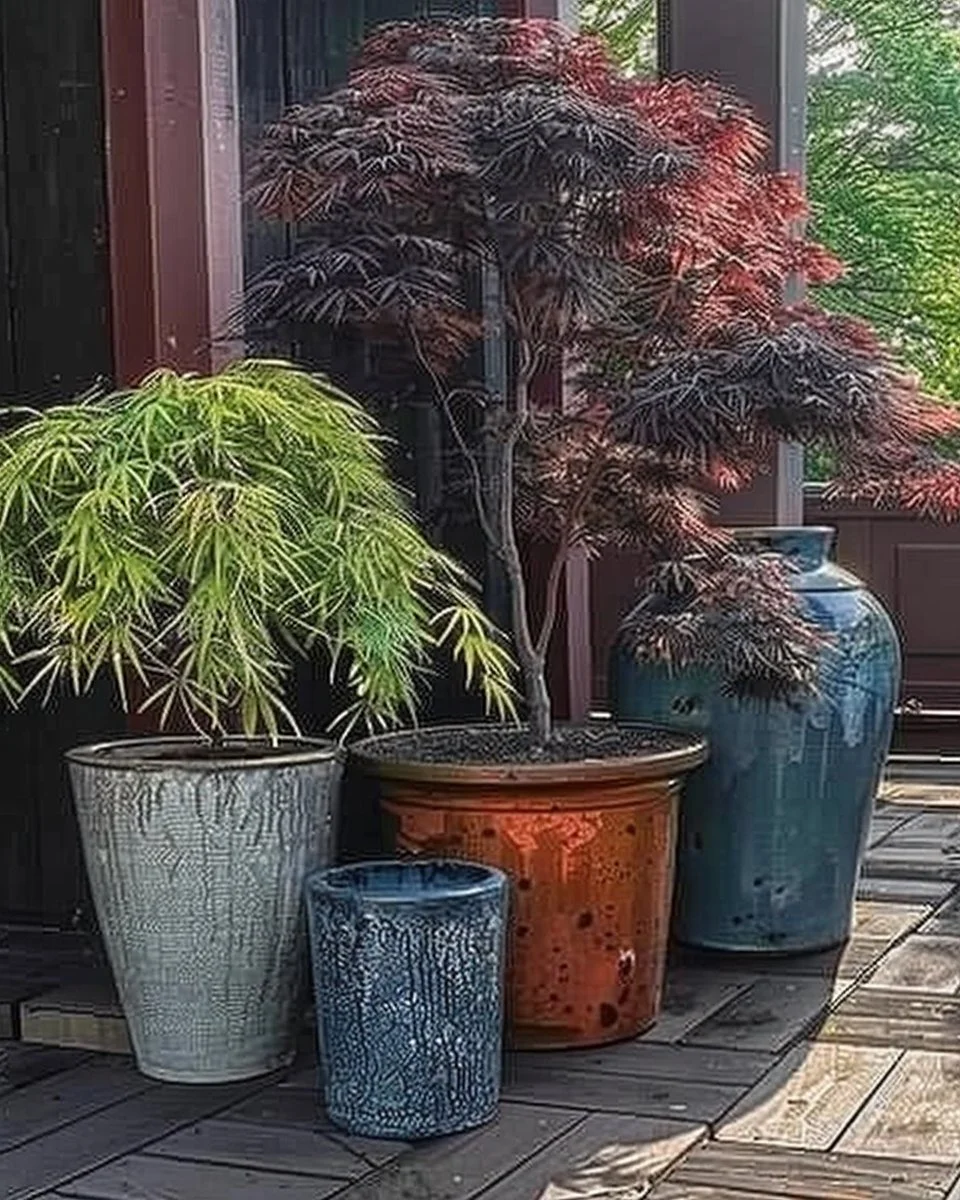
Title: Amazing Tips for Growing Japanese Maple in Containers
Introduction
Have you ever strolled through a garden and been captivated by the delicate beauty of a Japanese maple? With their stunning foliage and graceful forms, these trees offer a breathtaking touch, whether in a vast landscape or a cozy patio. For many, the challenge lies in growing these trees in smaller spaces. That’s where the idea of using a japanese maple in containers comes in!
In this article, you’ll discover why container gardening is an excellent option for Japanese maples, how to choose the right container, care tips, and creative placement ideas. Whether you’re an experienced gardener or just starting out, growing a japanese maple in containers can be a rewarding experience that adds elegance to your outdoor or indoor spaces.
Table of Contents
Choosing the Right Container
When it comes to growing a japanese maple in containers, picking the right pot is crucial. A suitable container will not only support the tree’s growth but also enhance your garden’s aesthetic appeal.
Importance of Size and Material
A larger container can accommodate the root system of a japanese maple, allowing it to thrive. Generally, a pot that’s at least 18-24 inches in diameter is a good starting point. Materials like ceramic or resin are popular due to their durability and heat retention. Avoid thin plastic pots, which can heat up too quickly, particularly in sunny areas.
Drainage Considerations
Drainage is vital for the health of your maple. Ensure your container has adequate drainage holes to prevent water from pooling at the bottom. If you’re attempting to maximize aesthetics and want a pot with no holes, consider drilling some yourself or use a well-draining soil mix to mitigate potential issues.
Selecting the Perfect Japanese Maple Variety
Choosing the right type of japanese maple is just as important as finding the right container. There are plenty of varieties to choose from, each with unique characteristics.
Dwarf vs. Standard Varieties
Dwarf varieties, such as the ‘Shaina’ or ‘Crispino,’ are excellent choices for container gardening. These compact trees typically grow only 3-5 feet tall and offer vibrant leaf colors. In contrast, standard varieties may need more space and can grow quite large, so research is essential if you opt for one of these.
Color and Leaf Shape Choices
Japanese maples display a plethora of colors, from bright reds in spring to vivid yellows in fall. The intricate leaf shapes also vary, providing design options to match your personal style. Selecting a variety you love enhances not only your garden but also your experience caring for the tree.
Planting Your Japanese Maple in Containers
Planting a japanese maple in containers isn’t just about putting it in the pot; it’s a process that requires care and attention.
Soil Recommendations
A well-draining, slightly acidic soil is ideal for Japanese maples. A mix of potting soil, peat moss, and pine bark works wonders. This combination promotes good drainage while retaining essential moisture.
Planting Techniques
When planting, ensure the root ball is at the soil line – not too high and not too deep. Fill around the sides with additional soil, gently tamping it down to eliminate air pockets. After planting, give your tree a thorough watering to help settle the soil.
Caring for Your Japanese Maple in Containers
Once your japanese maple is planted in its new home, ongoing care becomes critical to its success.
Watering Guidelines
Japanese maples in containers typically require more frequent watering than those in the ground. Monitor the soil moisture regularly; if the top inch feels dry, it’s time to water. During hot spells, you might need to check daily.
Fertilization Tips
Fertilizing your tree can help promote vibrant growth. Use a slow-release fertilizer formulated for trees in early spring. Applying in moderation is key—too much can harm the roots and lead to poor growth.
Pruning and Maintenance
Regular pruning helps shape your tree and encourages healthy growth. In late winter or early spring, remove any dead or crossing branches. This not only keeps the appearance neat but also allows for better light circulation.
Creative Placement Ideas
A japanese maple in containers can transform a space, but knowing where to place it is equally important.
Enhancing Patios and Decks
Position your maple near seating areas or pathways where its beauty can be appreciated, especially during the fall when the leaves change color. You could even create a stunning focal point by placing it on a pedestal or among a collection of other potted plants.
Indoor Applications
Believe it or not, many people successfully grow japanese maples indoors! Choose a dwarf variety and place it near a bright, indirect light source. It can add elegance to any living area while remaining manageable.
Troubleshooting Common Issues
Even with proper care, challenges may arise while growing your japanese maple in containers.
Pests and Diseases
Keep an eye out for pests like aphids and scale insects, as well as fungal diseases. Early detection is crucial. Regularly inspect your tree, and if you notice any abnormalities, treat them immediately.
How to Revive a Struggling Maple
If your japanese maple seems to be struggling—whether from yellowing leaves or stunted growth—review your care routine. Check for proper watering and think about repotting it in fresh soil. A little attention can give it a new lease on life.
Conclusion
In conclusion, growing a japanese maple in containers is not only possible but can be an incredibly rewarding endeavor. With the right container, care, and placement, these beautiful trees can thrive in various environments, adding splendor and tranquility to your home. So go ahead, bring a piece of nature into your life, and enjoy the elegance and serenity that a japanese maple provides.
FAQs
1. How often should I water my japanese maple in a container?
Water your tree when the top inch of soil feels dry, usually every few days in hot weather.
2. Can I grow a japanese maple indoors?
Yes, choosing a dwarf variety and placing it in a well-lit area can yield success indoors.
3. What’s the best time to prune my maple?
Late winter or early spring before new growth starts is ideal for pruning.
4. How do I know if my tree needs more sunlight?
If the leaves are losing color or falling off, it may need more sunlight—aim for 4-6 hours of indirect light daily.
5. Can pests damage my japanese maple?
Yes, pests like aphids can harm your tree; regular monitoring and treatment are essential for maintaining its health.