
Introduction
Have you ever found yourself daydreaming about picking a fresh lemon or orange right from your own home? Growing citrus in containers is not just a possibility; it’s a delightful reality! Imagine sitting on your patio, citrus-scented breezes surrounding you, as you reach for that juicy piece of fruit. In this guide, you’ll learn all the nitty-gritty details about how to grow citrus in containers, ensuring your potted tree thrives and rewards you with delicious fruit.
From selecting the right varieties and soil to understanding watering needs and light conditions, I’ve got you covered. Let’s dig in and start your journey to becoming a container citrus gardener!
Table of Contents
The Benefits of Growing Citrus in Containers
Growing citrus in containers isn’t just a trend; it offers many advantages that make it appealing to gardeners of all levels.
Flexibility in Space
If you live in an apartment or have limited garden space, container gardening allows you to cultivate beautiful citrus trees wherever you have access to sunlight. You can move your plants according to their needs, ensuring they get just the right amount of light throughout the season.
Easier Pest Management
Pests can be a significant headache for gardeners, but with container plants, controlling them becomes much easier. You can quickly inspect your plants and treat them without worrying about pests spreading to the rest of your garden.
Instant Aesthetic Appeal
There’s something undeniably charming about citrus trees in containers! They add vibrant color and freshness to any space, transforming patios, balconies, or indoor areas into mini citrus orchards.
Choosing the Right Citrus Varieties
When it comes to growing citrus in containers, not all varieties are created equal. Some thrive better in confined spaces than others.
Popular Container Citrus
Consider starting with dwarf varieties such as:
- Improved Meyer Lemon: Known for their sweet flavor and aromatic blossoms.
- Calamondin Orange: A tiny fruit that’s perfect for tarting up dishes.
- Kaffir Lime: Great for culinary uses, especially in Southeast Asian dishes.
Factors to Consider
Think about your climate, available space, and how much fruit you’d like to produce. Some varieties may require more care than others, so choose according to your gardening experience.
Selecting the Perfect Container
Choosing the right container is essential for the health of your citrus trees.
Size and Material
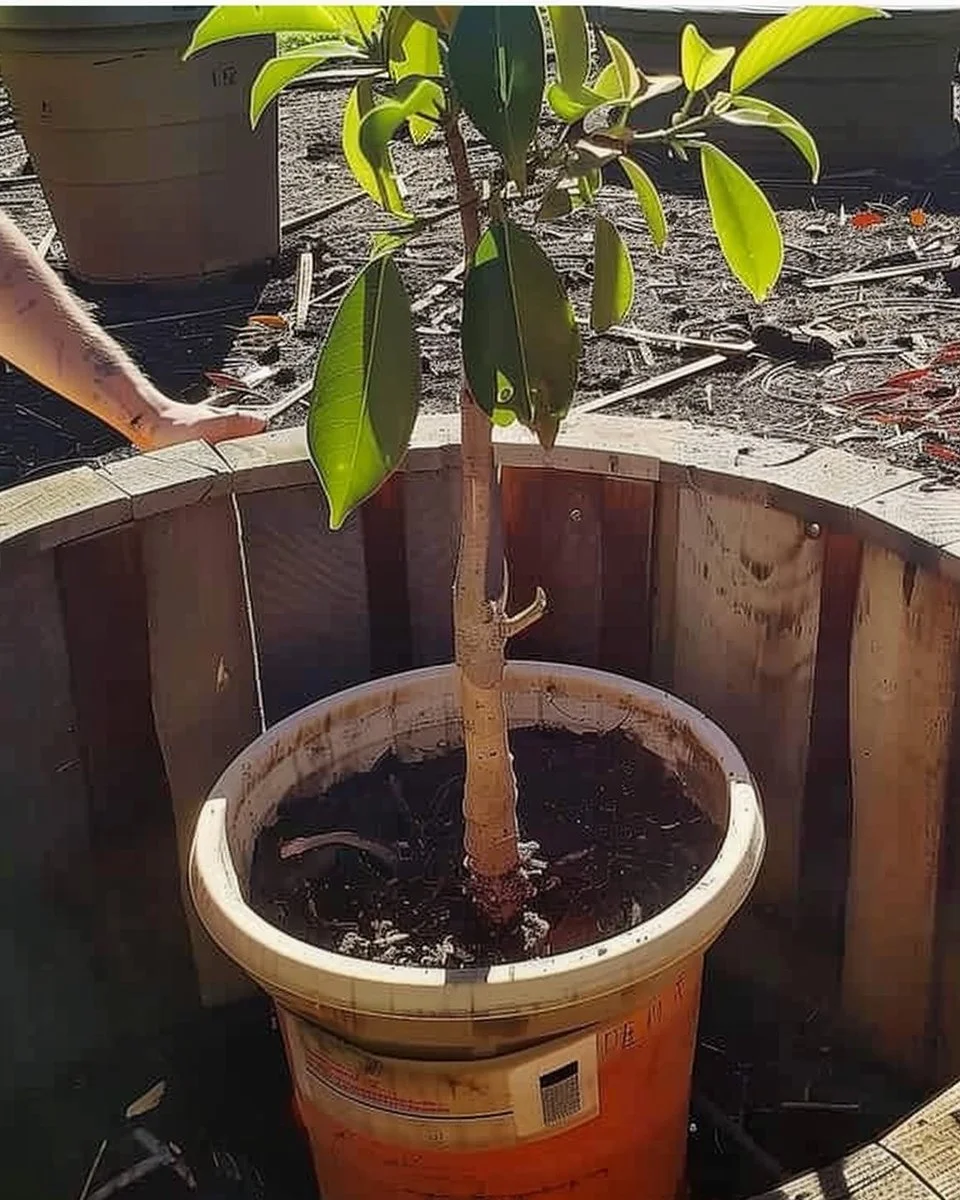
Opt for containers that are at least 12-18 inches in diameter for dwarf varieties. Materials can vary; terracotta allows for good air circulation, while plastic containers are lighter and retain moisture better.
Drainage Considerations
Good drainage is crucial—ensure your container has drainage holes to prevent root rot, which can be detrimental to citrus plants.
Essential Soil and Fertilization Tips
Soil plays a vital role in the success of your container citrus trees.
The Right Soil Mix
Use a well-draining potting mix. You might want to create your own by mixing potting soil with sand and perlite, ensuring your citrus roots breath.
Fertilizing Schedule
Citrus trees are heavy feeders! Use a balanced, slow-release fertilizer every 6-8 weeks during the growing season. Watch for signs of deficiency, like yellow leaves, which may signal a need for extra nutrients.
Watering and Light Requirements
Water and light are fundamental aspects of growing citrus effectively.
Understanding Water Needs
Citrus trees need consistent moisture but dislike soggy soil. Water deeply, allowing the top inch of soil to dry out before the next watering. A moisture meter can help you gauge when it’s time.
Optimal Lighting Conditions
Citrus thrives in bright, full sunlight. Aim for at least 10-12 hours of sunlight daily. If your indoor space lacks natural light, consider using grow lights to supplement.
Pruning and Maintenance for Healthier Trees
Regular maintenance helps ensure your citrus trees stay healthy and productive.
When to Prune
Pruning is typically done during early spring before the growing season kicks in. Removing dead or crossing branches will encourage better air circulation and growth.
General Care Tips
Check for pests regularly. A simple soapy water spray can often do the trick for minor infestations. Keep an eye out for yellowing leaves and adjust your care accordingly.
Troubleshooting Common Issues
Even with careful planning, issues may arise. Let’s explore a few common problems and their solutions.
Pests and Diseases
Common pests include aphids and spider mites. If you notice signs of infestation, act quickly. Neem oil or insecticidal soap can help manage these pests without harmful chemicals.
Nutrient Deficiencies
If your citrus tree shows signs of yellowing or stunted growth, it might be lacking essential nutrients. Consider performing a soil test to identify deficiencies and adjust your fertilization routine.
Harvesting and Enjoying Your Citrus Fruits
After months of care, it’s finally time to enjoy the fruits of your labor!
Knowing When It’s Ready
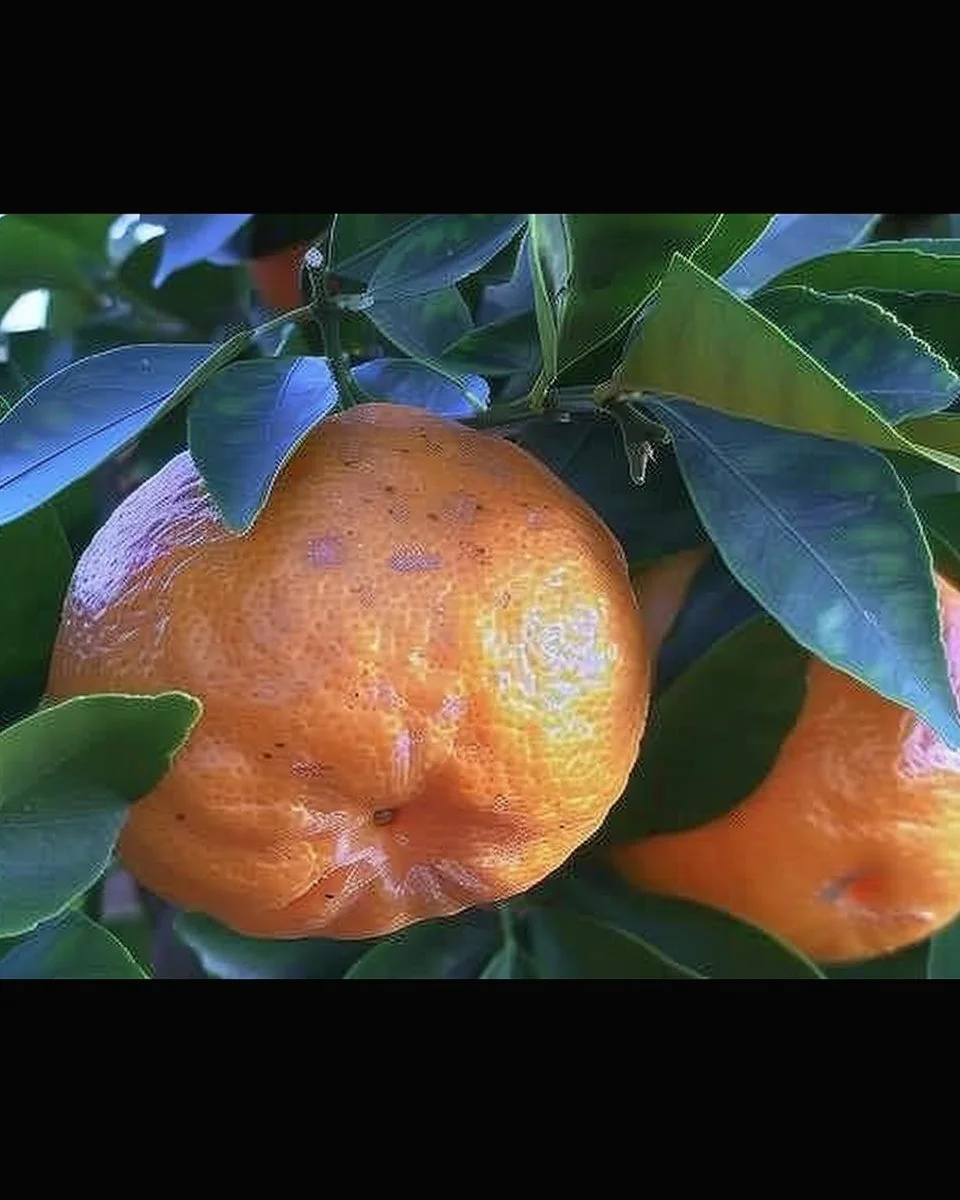
Most citrus fruit should be harvested when they achieve full color. Gently twist the fruit off the stem for the best results.
Culinary Uses for Your Harvest
Fresh citrus can brighten many dishes! Use your homegrown lemons in a refreshing lemonade or zest oranges for a delightful addition to baked goods. The possibilities are endless!
Conclusion
Growing citrus in containers is not only rewarding but also a delightful way to bring nature closer to home. By following the guidelines and tips shared in this article, you’ll be well on your way to enjoying your very own citrus harvest. Remember, patience and care are key to success. So, grab your pots, soil, and seeds, and start your container citrus journey today!
FAQs
What citrus trees grow best in pots?
Dwarf varieties such as Meyer lemons, calamondin oranges, and kaffir limes are excellent for container gardening.
How often do I need to water my citrus trees in containers?
Water them whenever the top inch of soil feels dry. This could be every few days to once a week, depending on conditions.
What type of fertilizer should I use for container citrus?
A balanced, slow-release fertilizer formulated for citrus plants is ideal.
Can I grow citrus indoors?
Absolutely! Just ensure they receive enough sunlight—10-12 hours a day is essential.
What pests should I watch for on my container citrus trees?
Common pests include aphids, spider mites, and scale. Regular inspections and treatments can keep them at bay.