

Introduction to Vertical Herb Garden: 25 Creative DIY Ideas (+ EXPERT ADVICE)
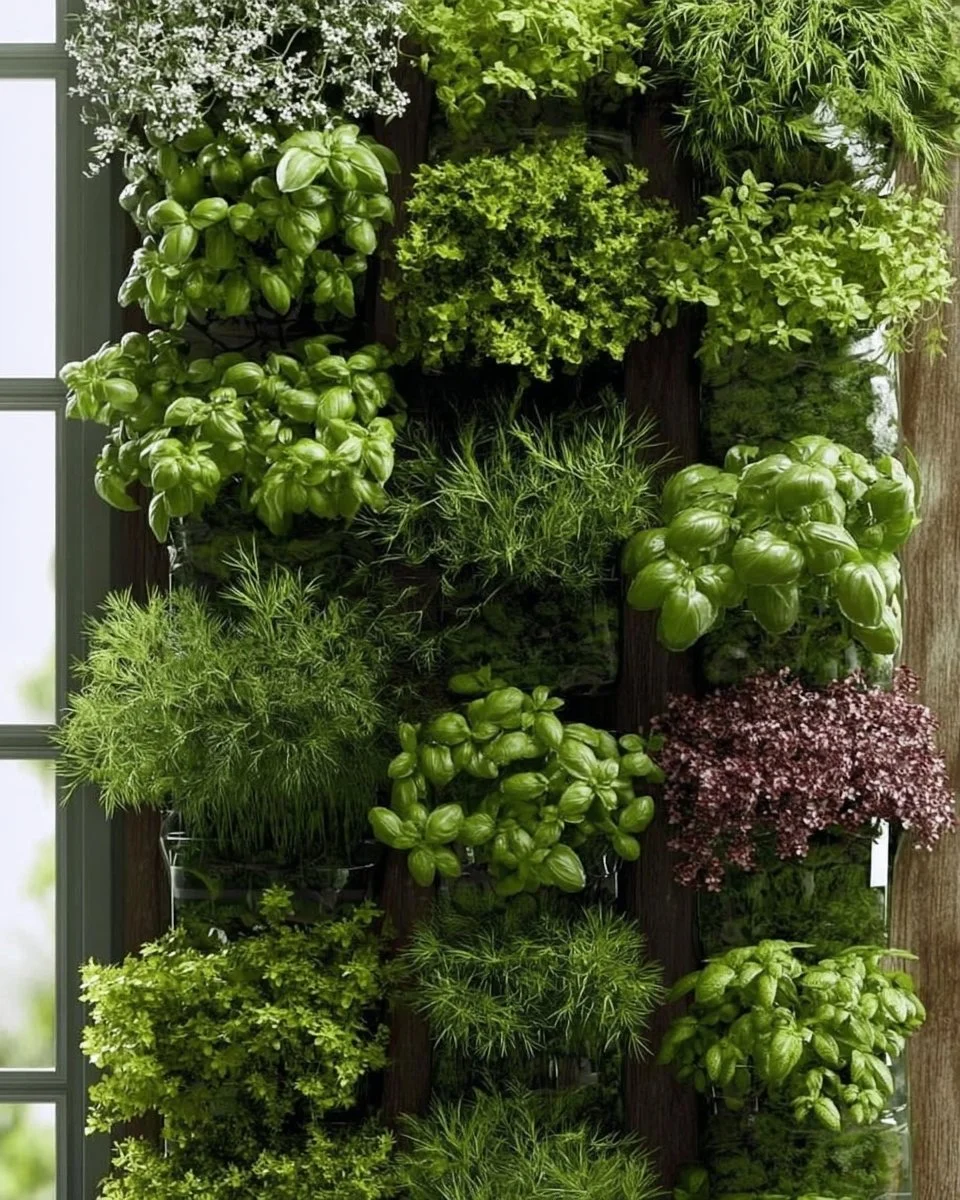
Are you dreaming of fresh herbs at your fingertips but short on space? The Vertical Herb Garden is here to save the day! This build is not just about growing plants; it’s about transforming your living area, whether it’s a cozy balcony, sunny kitchen, or spacious yard. Who wouldn’t want to have a garden that thrives upwards, saving precious floor space while adding vibrant greenery to your life?
Making your own vertical herb garden is both practical and affordable. For a very low cost, you can create an attractive vertical display that can bring life to any dull wall or corner. This project typically takes just a weekend to complete, making it perfect for busy individuals seeking a fun and rewarding DIY venture.
The beauty of a vertical herb garden lies in its versatility. You can customize it to fit your taste and available space. Whether you’re a seasoned gardener or just starting out, you can craft a garden that reflects your style. With minimal tools and materials, creating this living art is within your reach. Are you ready to bring a bit of nature into your life?
Table of Contents
Key Benefits of Vertical Herb Garden
Why You’ll Love This Build
- Durability: Using weather-resistant materials ensures your garden lasts for years.
- Simplicity: The build process is straightforward, making it ideal for all skill levels.
- Versatility: Fits anywhere, from apartments to homes with plenty of garden space.
- Cost Savings: Grow your herbs instead of buying them, reducing grocery bills.
- Space Efficiency: Takes advantage of vertical space to accommodate more plants.
- Portability: Easily reposition the garden to maximize sunlight or for seasonal changes.
What Makes It Stand Out
What sets this vertical herb garden apart is its endless customization options. You can design it to match your home décor, whether rustic or chic. This project shines brightly compared to store-bought alternatives, which often don’t offer the same personal touch or adaptability. You have the freedom to select your favorite herbs, create an arrangement that suits your needs, and change it at any time.
Project Specs for Vertical Herb Garden
At-a-Glance Details
- Skill Level: Beginner to Intermediate
- Estimated Time: 4-8 hours
- Estimated Cost: $50-100 USD
- Dimensions: Height varies based on space; standard width is 2-3 feet (61-91 cm)
- Indoor/Outdoor Suitability: Both
- Tools Required: Drill, saw, measuring tape, level, gardening gloves
Materials and Tools for Vertical Herb Garden
Complete Materials List with Measurements
- Wooden boards (1×6 inches or 2.54×15.24 cm, length varies)
- Waterproof sealant (1-2 cans)
- Stain or exterior-grade paint (optional)
- Screws (1.5-2 inches or 3.81-5.08 cm)
- Planter boxes or pots (5-10 depending on size)
- Landscaping fabric (for drainage)
Complete Tools List
- Drill (cordless recommended)
- Saw (circular or miter saw)
- Measuring tape
- Level
- Phillips screwdriver
Substitutes and Alternatives
At times, you may find certain materials unavailable. Instead of wooden boards, you might opt for repurposed pallets or metals like PVC piping for added durability. If you’re on a tight budget, consider using reclaimed wood or even fabric planters. Always choose materials that are appropriate for your climate and intended location.
Cut List and Measurements for Vertical Herb Garden
- Side Panels: 2 pieces at 6 feet (183 cm) each
- Top and Bottom Rails: 2 pieces at 3 feet (91 cm) each
- Shelving: 3 pieces at 2 feet (61 cm) each
- Pilot holes should be drilled at both ends of each plank with a 1/8 inch (3.175 mm) bit to prevent splitting. Remember the grain direction when cutting the wood to enhance strength.
Safety and Prep for Vertical Herb Garden
Before starting, it’s crucial to wear PPE such as safety goggles and gloves. Ensure your workspace is tidy and free from hazards. Measure and mark your pieces accurately to avoid mistakes. Use clamps to secure materials while working, especially during cutting and assembly. If working outdoors, ensure proper ventilation and consider wind safety for larger sections.
How to Build Vertical Herb Garden – Step-by-Step Directions
Step 1 – Prep and Layout
Begin by designing your layout. Decide on the dimensions based on your available space. Mark the positions of the shelves on the side panels to ensure uniform spacing.
Step 2 – Cut and Label Pieces
Using the cut list, measure and cut your boards to the necessary lengths. Label each piece clearly for easy assembly later, focusing on clarity to avoid confusion.
Step 3 – Dry Fit and Mark Joinery
Lay out the pieces in a rough formation. Mark where you will place screws and dowels to ensure strong, secure connections.
Step 4 – Assemble the Frame/Body
Attach the top and bottom rails to the side panels using screws, ensuring they are tight and secure. Check that your frame is square by measuring diagonally across opposite corners.
Step 5 – Reinforce and Square
Add additional screws or wood glue to reinforce the joints. Make sure everything is flush, and check for wobbling. This step is essential for stability.
Step 6 – Attach Surfaces or Panels
Affix the shelving to the side panels, ensuring secure screws hold them in place. Space them according to the height requirements of your herbs.
Step 7 – Sanding and Edge Treatment
Smooth all edges using sandpaper, starting from a coarse grit and progressing to fine. Remove dust with a damp cloth to ensure a clean surface for finishing.
Step 8 – Finish Application
Apply the waterproof sealant or stain to protect your garden from the elements. Be sure to let it dry completely according to package instructions before planting.
FAQ
What herbs can I grow in a vertical herb garden?
You can grow various herbs like basil, parsley, chives, thyme, and mint, depending on your preferences and climate.
Do I need to water the herbs differently in a vertical garden?
Watering needs remain similar; ensure good drainage and adjust frequency based on sunlight and humidity levels.
Can I use store-bought pots for this project?
Yes, using store-bought pots can work. Consider the size and spacing to optimize your vertical garden’s effectiveness.
Is this garden suitable for indoor use?
Absolutely! With proper lighting, you can create an indoor vertical herb garden that thrives inside your home.
How can I maintain my vertical herb garden?
Regularly water your herbs, trim them as needed, and ensure they receive adequate sunlight. Make adjustments based on seasonal changes.