
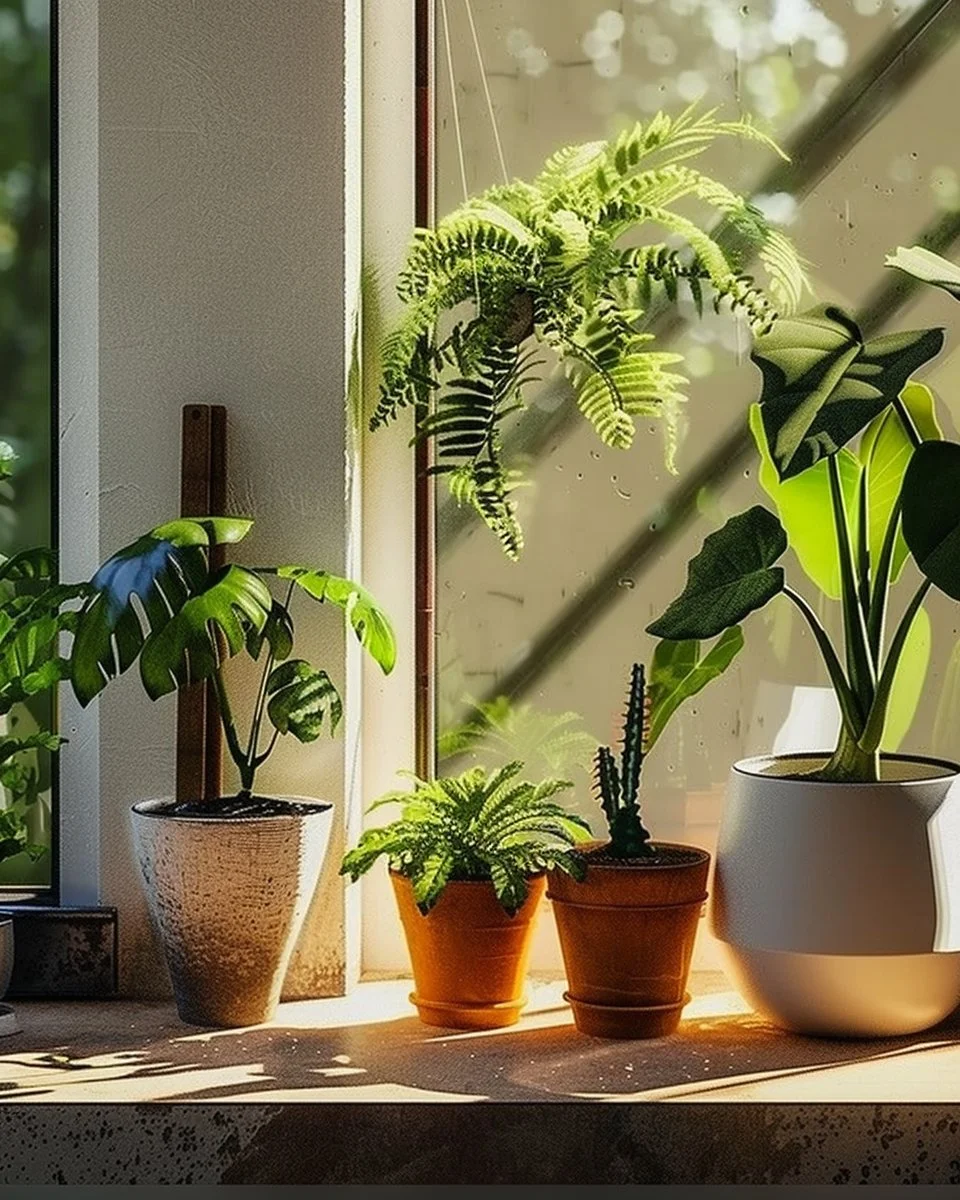
Introduction
Have you ever looked at a blank corner of your home and thought it could use a splash of life? Indoor plants can transform any space, bringing not just beauty, but also improved air quality and a sense of tranquility. However, if you’re new to the world of house plants, the task of cultivating a vibrant indoor garden might feel daunting. That’s where this guide comes in! In this article, we’ll explore the Indoor Gardening Essentials: A Beginner’s Guide to Flourishing House Plants. We’ll walk you through everything you need to get started on your indoor gardening journey, from picking out the right plants to essential care tips that ensure they thrive.
Table of Contents
Understanding Indoor Plants
Benefits of Indoor Gardening
The allure of indoor gardening goes beyond aesthetics. Research shows that having plants in your home can help reduce stress, improve focus, and even enhance your creativity. As someone who started their journey with a single pothos, I can personally attest to the calming effect of watching my plants grow. There’s a certain satisfaction that comes from nurturing a living thing and seeing it flourish.
Choosing the Right Plants for Your Space
When embarking on your journey into Indoor Gardening Essentials: A Beginner’s Guide to Flourishing House Plants, the first step is choosing the right plants for your environment. Some plants thrive in lower light conditions, making them perfect for apartments, while others need bright, direct sunlight. Consider your space, lifestyle, and maintenance preference.
Beginner-Friendly Plants:
- Pothos: Nearly indestructible and forgiving.
- Spider Plant: Great for air purification and propagation.
- Snake Plant: Tolerates neglect and poor lighting.
By starting with these hardy plants, you’ll build confidence in your gardening skills while learning essential care techniques.
Essential Tools for Indoor Gardening
Must-Have Gardening Tools
Equipping yourself with the right tools can significantly enhance your indoor gardening experience. Essential items include:
- Pruning Shears: These are essential for maintaining healthy plants through regular trimming.
- Watering Can: A small, precise watering can prevents over-watering.
- Potting Mix: Use a good-quality potting mix suited for indoor plants.
Recommended Soil Types
Proper soil is crucial for your house plants. Look for a blend that includes compost, peat moss, and vermiculite. Different plants may require specific soil types; for example, succulents prefer a well-draining mix while tropical plants thrive in moisture-retentive soils.
Importance of Containers
Choosing the right container is more than just aesthetics. Make sure it has drainage holes to prevent excess water from sitting at the bottom, which can lead to root rot. Consider decorative pots that suit your style—this can add a lovely touch to your space.
Light Requirements for Various Plants
Understanding light levels in your home is vital for ensuring your plants receive adequate sunlight. Some plants like cacti benefit from bright light, while ferns and snake plants can thrive in shadier areas.
Pay attention to how much natural light different areas of your home get throughout the day. To give your plants the best chance at thriving, place them in spots where they can flourish according to their specific light requirements.
Watering Techniques and Schedules
How to Check Soil Moisture
Watering is often where beginners falter, leading to either under-watering or over-watering. One simple trick is to stick your finger about an inch into the soil. If it feels dry, it’s time to water!
Signs of Overwatering and Underwatering
Watching for signals from your plants can help you adjust your care routine. Yellowing leaves might indicate over-watering, while wilting or browning leaf edges can signal that your plant is thirsty.
Fertilizing and Plant Nutrition
Types of Fertilizers
Understanding fertilizers is part of mastering your Indoor Gardening Essentials: A Beginner’s Guide to Flourishing House Plants. Fertilizers come in liquid and granular forms and provide essential nutrients that your plants need to thrive.
Using a balanced, water-soluble fertilizer every six to eight weeks can boost growth during the active growing season. However, remember to adjust this frequency based on the specific needs of each type of plant.
Seasonal Care Tips
During winter, many plants enter dormancy. Reduce watering and refrain from fertilizing during this time. However, with the arrival of spring, it’s time to get back to your routine and encourage new growth.
Troubleshooting Common Issues
Pest Control Solutions
Indoor gardening can sometimes attract unwanted pests like spider mites or aphids. Regularly inspect your plants for signs of infestation, such as webs or discolored leaves. There are plenty of natural pest control methods, such as using neem oil or insecticidal soap, ensuring your plants stay healthy.
Identifying Plant Diseases
Knowledge is powerful! Familiarize yourself with common plant diseases, including root rot and powdery mildew. Taking action early can prevent the spread and save your precious plants.
Creating A Thriving Environment
Humidity Levels and Temperature
Indoor plants generally prefer humidity levels between 40–60%. If your home is dry, especially during winter, consider using a humidifier or grouping plants together to create a microclimate.
Temperature also plays a crucial role; most houseplants thrive in temperatures ranging from 65°F to 75°F. Be mindful of drafts from windows or air conditioning, as these can be harmful to sensitive plants.
Arranging Plants for Aesthetic and Health
How you arrange your plants can impact their growth and your enjoyment of them. Consider creating a varied display with plants of different heights and colors. Position taller plants in the back and smaller ones in front to create depth and visual interest.
Conclusion
By now, you should feel equipped with the Indoor Gardening Essentials: A Beginner’s Guide to Flourishing House Plants. Remember, it’s all about patience and learning through experience. Each plant you nurture teaches you something new, and with time, you’ll grow not just your plants but also your gardening skills. Embrace the joy that comes from watching life thrive in your home, and don’t hesitate to experiment. Happy gardening!
FAQs
1. How often should I water my indoor plants?
Watering frequency can vary based on the plant type and your home’s humidity. A general rule is to check the soil moisture and water when dry.
2. What are the best beginner plants for low light?
Pothos, snake plants, and ZZ plants are excellent options for low-light environments.
3. Can I use outdoor plants indoors?
Some outdoor plants can adapt to indoor conditions, but it’s essential to consider their light and humidity needs.
4. When should I fertilize my house plants?
During the growing season (spring and summer), fertilize every 4-6 weeks, and reduce during the fall and winter months.
5. How can I propagate indoor plants?
Many plants can be propagated through cuttings placed in water or soil. Be sure to check the specific method for your plant type.