
Introduction
If you’re a gardening enthusiast or someone just looking to add a touch of elegance to your landscape, you might have heard of the beauty and charm of Japanese Maples. These trees are more than just pretty foliage; they bring life to gardens, patios, and yards with their stunning colors and delicate leaves. In this article, we’ll dive into the enchanting world of 20 Dwarf Japanese Maple Varieties – World of Garden Plants. You’ll discover not only their unique attributes but also how to select and care for these captivating plants to ensure they thrive in your garden.
Picture this: a serene afternoon soaking in the sun with a cup of coffee, surrounded by vibrant colors of bonsai-sized trees that tell a story of nature’s artistry. Can you imagine how transformative that scene can be? Throughout the rest of this article, we’ll guide you through the enchanting varieties and some practical tips to integrate them seamlessly into your garden design.
Table of Contents
Understanding Dwarf Japanese Maples
Origins of Dwarf Japanese Maples
Dwarf Japanese Maples have a rich history, initially cultivated in Japan for centuries. Their delicate appearance and vibrant colors caught the eye of gardening enthusiasts around the world. The miniature varieties not only showcase the craftsmanship of nature but also the dedication of horticulturists who have selectively bred these trees for specific aesthetics and adaptations.
Characteristics of Dwarf Japanese Maples
What sets dwarf varieties apart? These versions of Japanese Maples typically stand at a height of 3 to 6 feet, making them perfect for smaller landscapes or as striking focal points when fully matured. Their distinct leaf shapes, often finely dissected, along with their vivid fall colors, present a visual feast. Also, dwarf Japanese Maples are generally slower-growing, allowing gardeners to enjoy their beauty for many years without overwhelming their space.
Popular Dwarf Japanese Maple Varieties
When selecting a dwarf variety, understanding the specific traits of each can help you make the best choice for your garden. Here are a few highly regarded dwarf Japanese Maple varieties you might consider:
Acer palmatum ‘Shishigashira’
Commonly known as the Shishigashira or “Lion’s Head” Maple, this variety is cherished for its unique, tightly curled foliage. In spring, it boasts bright green leaves that turn a golden-yellow in fall, adding an exceptional touch to any garden layout. They thrive in partial sun and well-drained soil, making them a flexible option for many gardeners.
Acer palmatum ‘Atropurpureum’
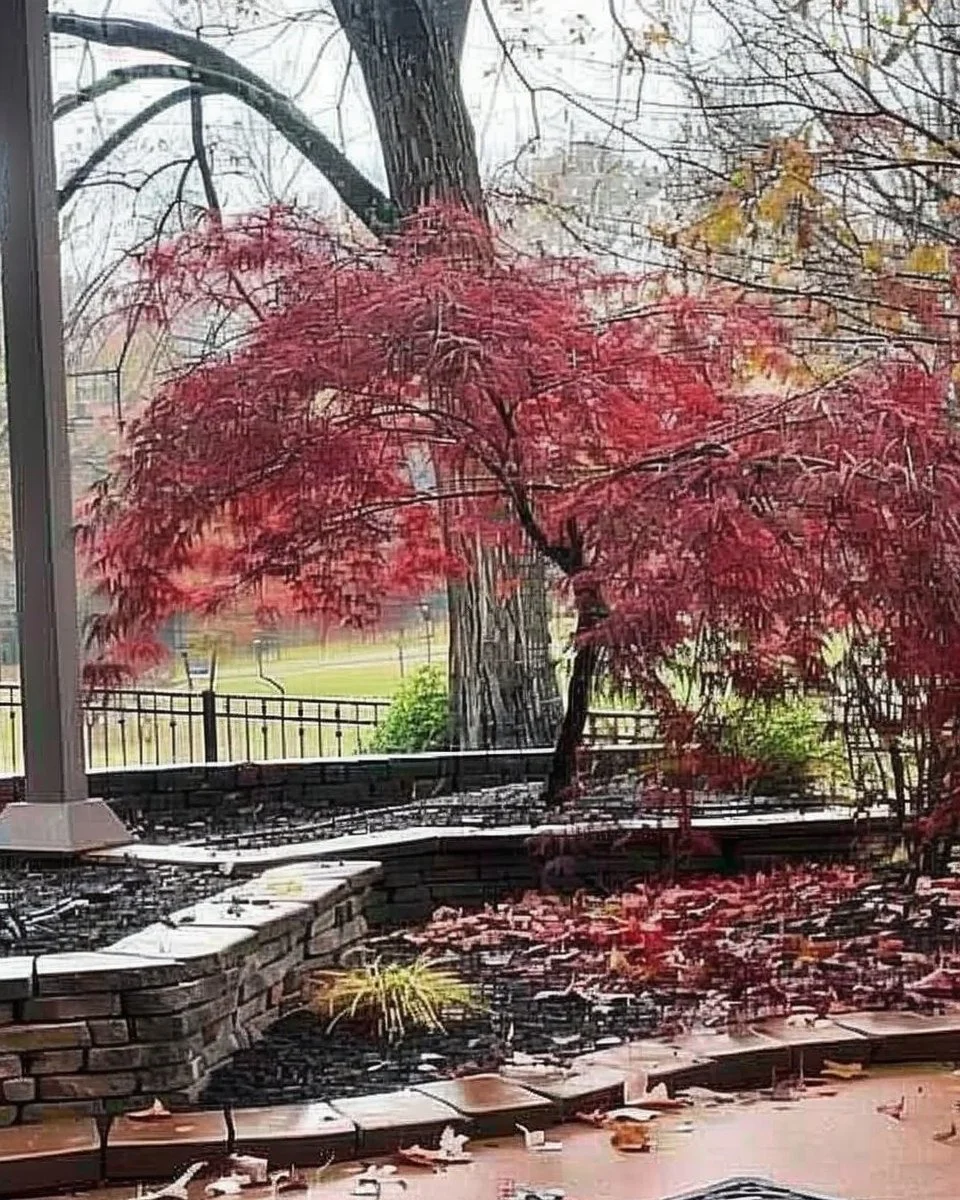
The Atropurpureum, or Purple Leaf Maple, offers striking burgundy foliage throughout the growing season, transitioning to a brilliant red in the fall. It’s a favorite for creating contrast against lighter-colored plants and flowers. Their compact shape makes them ideal for small gardens or as a container plant.
Acer palmatum ‘Kotohime’
This charming variety, known for its fine-textured leaves and dwarf stature, is an excellent choice for bonsai enthusiasts. Kotohime stands at just about 3 feet tall but can spread out to approximately 4 feet. Its tiny, intricate leaves contribute to a soft appearance, perfect for creating delicate arrangements alongside other shrubs in your garden.
Acer palmatum ‘Mikawa Yatsubusa’
Another lovely option, the Mikawa Yatsubusa, features dense growth with tightly packed, small leaves. This variety is quite resilient and develops a rounded shape, making it a great selection for smaller spaces. You’ll appreciate its striking green color, especially against the backdrop of ornamental grasses or rocks.
Acer palmatum ‘Seiryu’
Unlike most dwarf varieties, the Seiryu is a Japanese maple with an upright growing habit, reaching heights of up to 6 feet. However, its elegant, finely dissected leaves and beautiful bluish-green color set it apart. The Seiryu gives a unique texture and height dynamic when paired with its shorter cousins.
Planting Dwarf Japanese Maples
Ideal Planting Conditions
Choosing the right spot is crucial when planting dwarf Japanese Maples. They thrive in well-drained, slightly acidic soil and prefer partial shade, especially in hotter climates. Contextual factors like nearby structures that cast shade or factors that modify microclimates should be considered in your planning.
Proper Spacing Techniques
When planting, aim to provide ample space for each tree to grow and develop its natural shape. Depending on the variety, aim for a distance of at least 3-5 feet apart. This allows for air circulation, reducing the risk of fungal diseases, and emphasizes the individuality of each tree.
Timing for Planting
The best times to plant these beauties are in the spring or early fall when the weather is milder. This timing gives the roots a chance to establish before extremes of temperature set in, whether it be the summer heat or the winter chill.
Caring for Dwarf Japanese Maples
Watering Requirements
Watering is essential for maintaining the health of your dwarf Japanese Maples, especially in their first year of growth. They prefer consistent moisture; however, it’s important not to overwater. A deep watering approximately once a week should suffice, allowing the topsoil to dry slightly between sessions.
Fertilization Insights
Using a balanced, slow-release fertilizer in early spring can encourage healthy growth. Be cautious not to over-fertilize, as it can lead to burnt tips on the leaves. Organic options are often the best choice, providing nourishment while keeping the soil healthy.
Pruning Tips
Pruning is essential for maintaining shape and controlling size. It’s best to prune during late winter or early spring when the tree is still dormant. Focus on removing any dead, crossing branches, or those that detract from the canopy’s overall symmetry. A well-pruned tree not only looks better but also promotes airflow and reduces disease risk.
Design Ideas for Dwarf Japanese Maples
Incorporating Dwarfs in Small Spaces
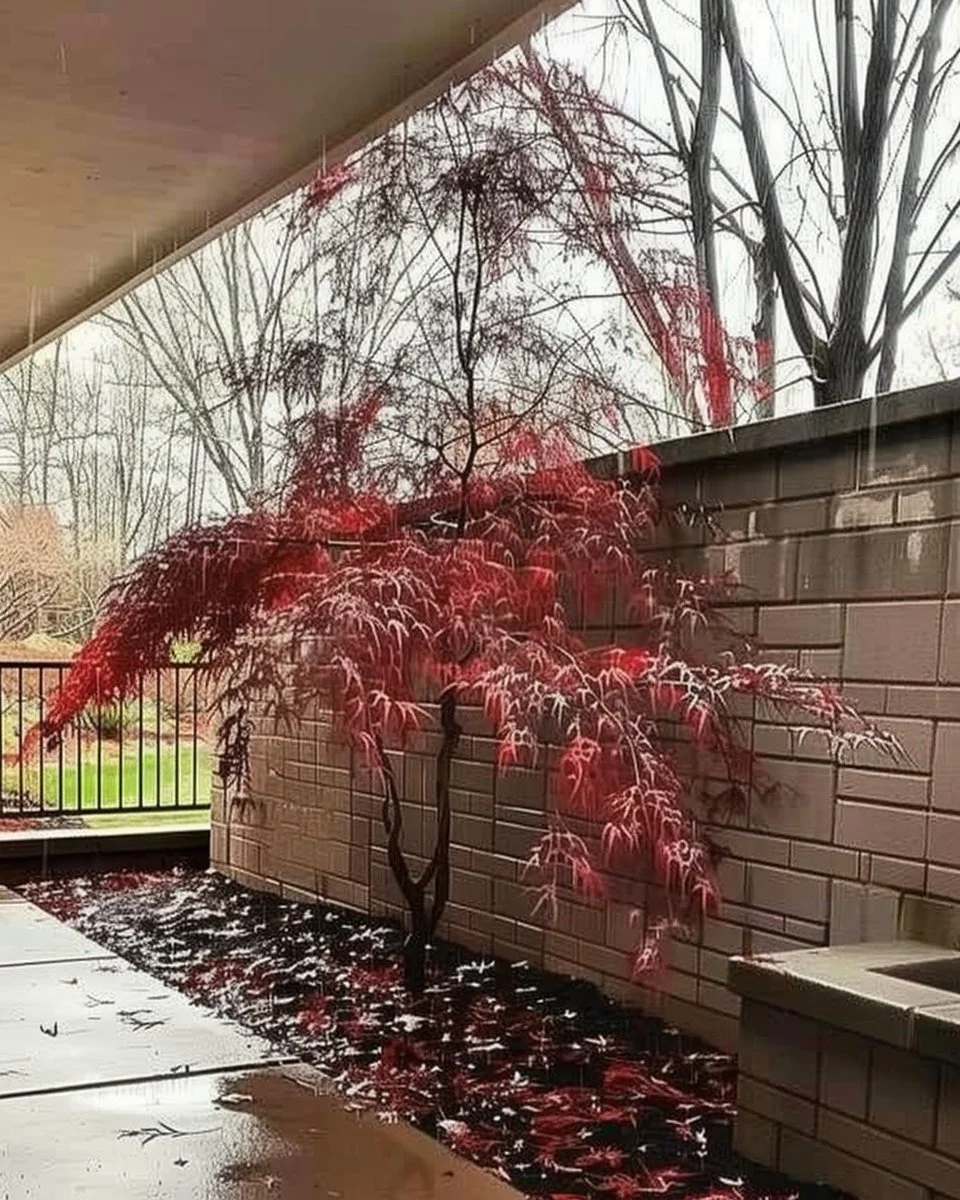
Dwarf Japanese Maples are perfect for small gardens, patios, or even balconies. They can be featured as solitary specimens in pots or grouped as part of a layered landscape with other shrubs. If you have a tiny garden, consider using them as an anchor point, surrounded by plants of varying heights to create depth.
Creating a Japanese Zen Garden
Creating a tranquil Japanese Zen garden can be a beautiful project utilizing dwarf Japanese Maples. The gentle curves of raked gravel, combined with the delicate lines of the dwarf maples, can create a serene environment suited to meditation and reflection. Incorporate rocks and lanterns to add interest and texture to your design.
Conclusion
Exploring the world of 20 Dwarf Japanese Maple Varieties – World of Garden Plants can open up a myriad of landscaping possibilities. These small yet magnificent trees bring beauty and charm to various garden styles while adding unique colors and textures. Whether you’re beautifying a patio, creating a serene zen garden, or choosing the perfect container plant, these varieties are worthy investments for any gardener.
With the right care and placement, your dwarf Japanese Maples can become a lasting part of your home’s landscape for years to come. We encourage you to explore these diverse varieties and find your favorites; the stunning transformations will be well worth it!
FAQs
What are the best conditions for growing dwarf Japanese maples?
Dwarf Japanese Maples thrive in well-drained, slightly acidic soil and prefer partial shade to protect them from harsh sun exposure.
How often should I water my dwarf Japanese maple?
Watering once a week is generally sufficient, allowing the soil to dry slightly in between watering sessions.
Can dwarf Japanese maples be grown in pots?
Yes! They adapt well to container gardening, making them an excellent choice for patios or smaller spaces.
What’s the best time to prune my dwarf Japanese maple?
Late winter or early spring, while the tree is still dormant, is the best time to prune for shape and health.
Do dwarf Japanese maples require a lot of fertilizer?
Not necessarily. A balanced, slow-release fertilizer in early spring is often sufficient, but be cautious not to over-fertilize.