
Title: Ultimate 25 Perennial Herbs to Grow in Your Garden
Introduction
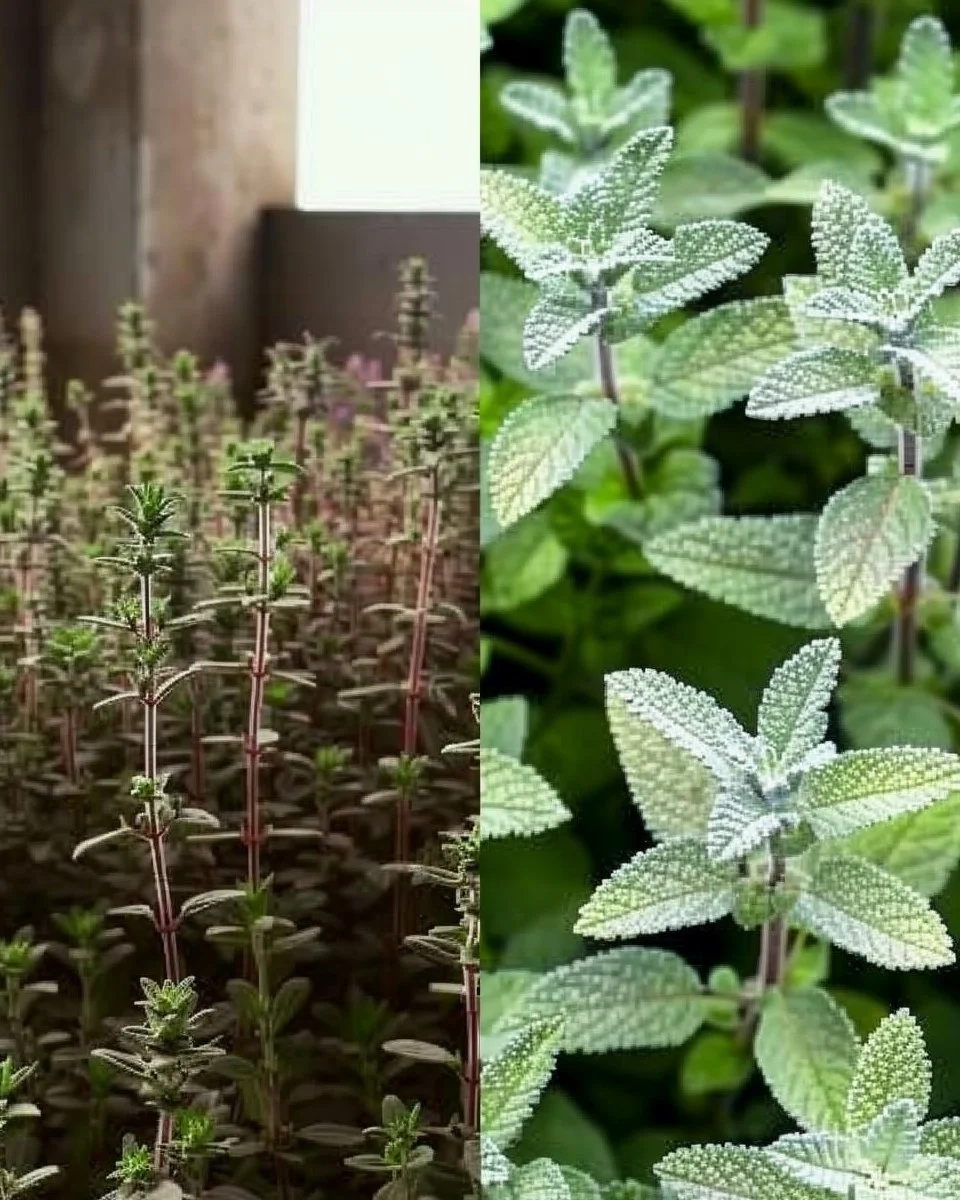
Have you ever stepped into your garden and wished for a flourishing oasis of flavors and aromas just waiting to be harvested? Picture this: a colorful arrangement of herbs that not only beautifies your outdoor space but also elevates your culinary creations. Well, that’s precisely what you can achieve with 25 Perennial Herbs to Grow in Your Garden | Gardening Tips & Growing Food. These hardy herbs will return year after year, providing a continuous supply of fresh tastes for your kitchen.
In this article, you’ll discover how to grow these delightful perennial herbs, tips for their care, and ways to incorporate them into your meals. Whether you have a sprawling garden or just a small balcony, these herbs can be a delightful addition to your green space. Let’s dig in!
Table of Contents
Selecting the Right Location
Sunlight and Drainage Requirements
When starting your herb garden, choosing the right location is critical. Most perennial herbs love sunlight — aim for at least six to eight hours of direct sunlight daily. If you’re in a warmer climate, some shade during the hottest part of the day can also benefit your herbs, preventing leaf scorch.
Drainage is another significant factor. Herbs do not thrive in waterlogged soil, so consider raised beds or containers if your garden soil tends to retain water. To test drainage, dig a small hole about a foot deep and fill it with water. If the water hasn’t drained in a couple of hours, you’ll need to amend your soil or choose a different location.
Preparing Your Soil
Healthy soil is vital for a vibrant herb garden. Ensure your soil is well-aerated and rich in organic matter. You can enhance the soil by mixing in compost or well-rotted manure, which provides nutrients and improves drainage. A simple soil test can also give you valuable insights into your soil’s pH level and nutrient content.
Essential Perennial Herbs to Grow
Common Perennial Herbs
- Thyme: This versatile herb thrives in sunny spots and well-drained soil. It adds an earthy flavor to dishes and pairs beautifully with meats and vegetables.
- Oregano: Perfect for Mediterranean cuisine, oregano is a hardy herb that can survive harsh conditions. It’s great for seasoning sauces and marinades.
- Chives: These gentle onion-flavored herbs are perfect in salads, omelets, and as a garnish. Plus, they add a lovely hint of color to your garden with their pretty purple flowers.
Unique Perennial Herbs to Try
- Lemon Balm: With a delightful citrus scent, lemon balm is not only a culinary gem but also a soothing herb for teas and infusions.
- Pennyroyal: A member of the mint family, pennyroyal has a distinctive aroma and can be used in herbal remedies.
- Borage: Known for its beautiful blue star-shaped flowers, borage has a cucumber-like flavor and is delightful in salads or infused into drinks.
Medicinal Perennial Herbs
- Echinacea: Often called coneflower, this herb is well known for its immune-boosting properties. It can be brewed into teas and is beautiful in any garden.
- Lavender: Not only does lavender smell fantastic, but it also has calming properties; it can be used in teas or added to sachets.
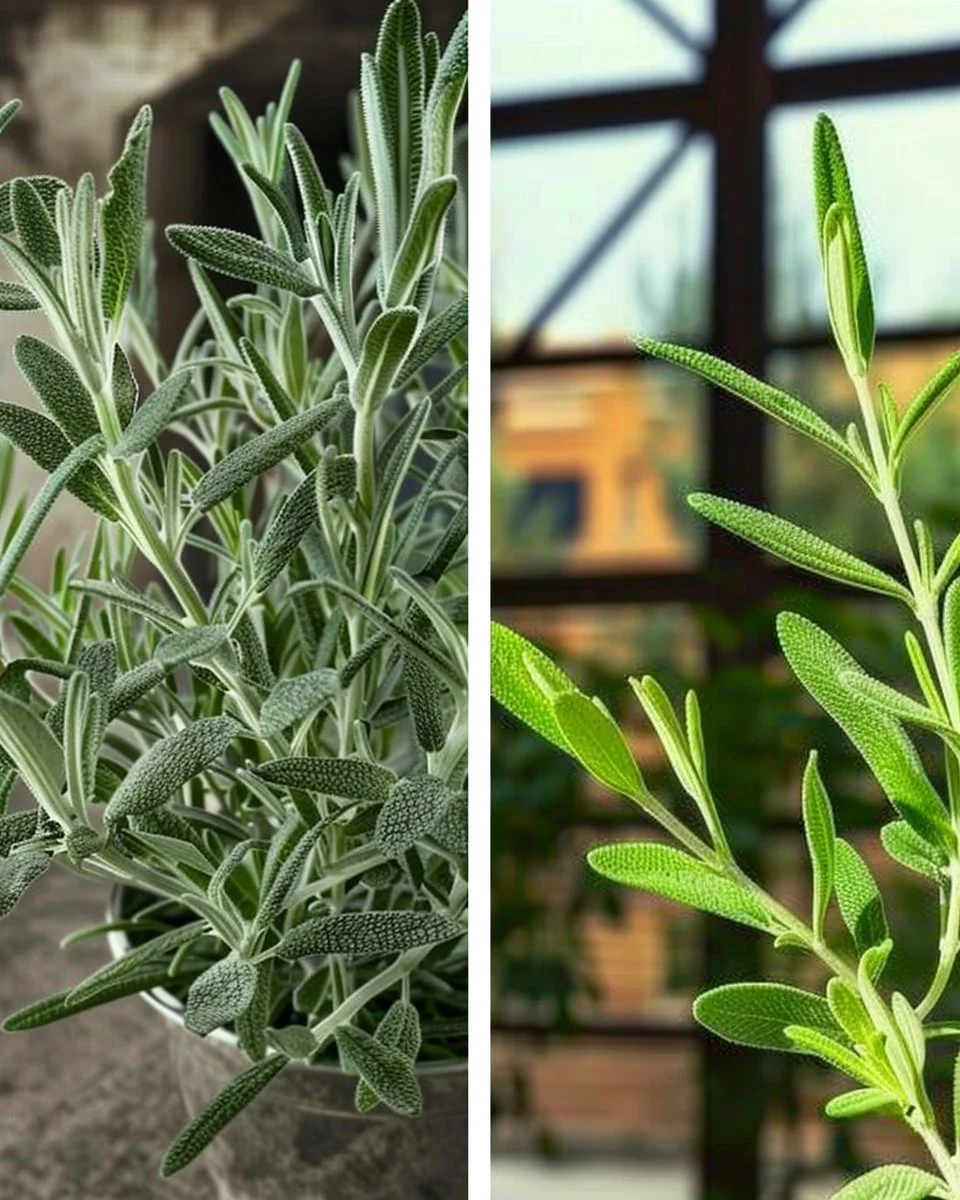
- Sage: Commonly used in cooking, sage also boasts anti-inflammatory properties and can be brewed into a comforting tea.
Care and Maintenance
Watering and Fertilizing
Most perennial herbs prefer moist but not soggy soil. Regular watering is essential, especially during dry spells. A general rule is to water deeply once a week, perhaps more frequently during particularly hot weather. Ensure that the water reaches the root zone for best results.
As for fertilizing, too much can overwhelm your herbs. A light application of organic fertilizer in early spring as new growth begins should suffice throughout the growing season. A 5-10-10 fertilizer is perfect for herbs, promoting root development without excessive foliage growth.
Pruning Techniques
Pruning is an integral part of herb maintenance. Regularly removing spent flowers and dead leaves not only keeps your plant healthy but also encourages new growth. For herbs like basil and mint, pinching back the tips will promote bushier plants. You can also dry or preserve the extra herbs for future use!
Harvesting and Using Your Herbs
How to Harvest Properly
To enjoy fresh herbs, proper harvesting is key. For most herbs, the best time to harvest is in the morning after the dew has dried but before the sun is too strong. Use sharp scissors or shears, cutting just above a pair of leaves to encourage new growth. This method is gentle on the plant and helps it thrive.
Creative Culinary Uses
Fresh herbs can transform your dishes. Here are a few simple ways to incorporate them into your cooking:
- Pesto: Blend basil, garlic, nuts, and olive oil for a rich sauce that elevates pasta dishes.
- Herb-Infused Oils: Combine your favorite herbs with olive oil for dressings or drizzling over meals.
- Teas: Many perennial herbs, like lemon balm and mint, can be steeped for delightful herbal teas.
Overcoming Common Challenges
Pests and Diseases
Your herb garden can face challenges like any other plant. Aphids, whiteflies, and spider mites may wander onto your plants. A good practice is to encourage beneficial insects like ladybugs, or use insecticidal soap as a natural remedy. Always check your plants regularly for signs of distress.
Weather Considerations
Weather can affect your herbs significantly. Excessive rain can lead to root rot, while drought can make herbs wilt. It’s essential to keep an eye on weather forecasts and be proactive. In harsh conditions, consider using cloches or row covers to protect your precious herbs.
Conclusion
Creating a vibrant herb garden filled with 25 Perennial Herbs to Grow in Your Garden | Gardening Tips & Growing Food can significantly enrich your culinary experiences and enhance your garden’s aesthetic. With the right location, care, and harvesting techniques, you can cultivate these delightful plants that give back year after year. So, why not get started on your herb garden today? You might just find that it becomes a cherished part of your home and cooking style.
FAQs
What are perennial herbs?
Perennial herbs are plants that live for more than two years, regrowing each season, making them a sustainable choice for gardens.
How much sunlight do herbs need?
Most perennial herbs thrive in at least 6-8 hours of direct sunlight each day.
Can I grow herbs in containers?
Absolutely! Many herbs do well in containers, making them perfect for small spaces or patios.
What’s the best way to store fresh herbs?
You can store fresh herbs in the refrigerator wrapped in a damp paper towel or freeze them in ice cube trays with water or oil.
How can I revive an unhealthy herb?
Assess the cause of distress (overwatering, lack of sunlight, pests), and adjust care accordingly. Pruning dead leaves and improving soil condition can also help restore health.