
Introduction
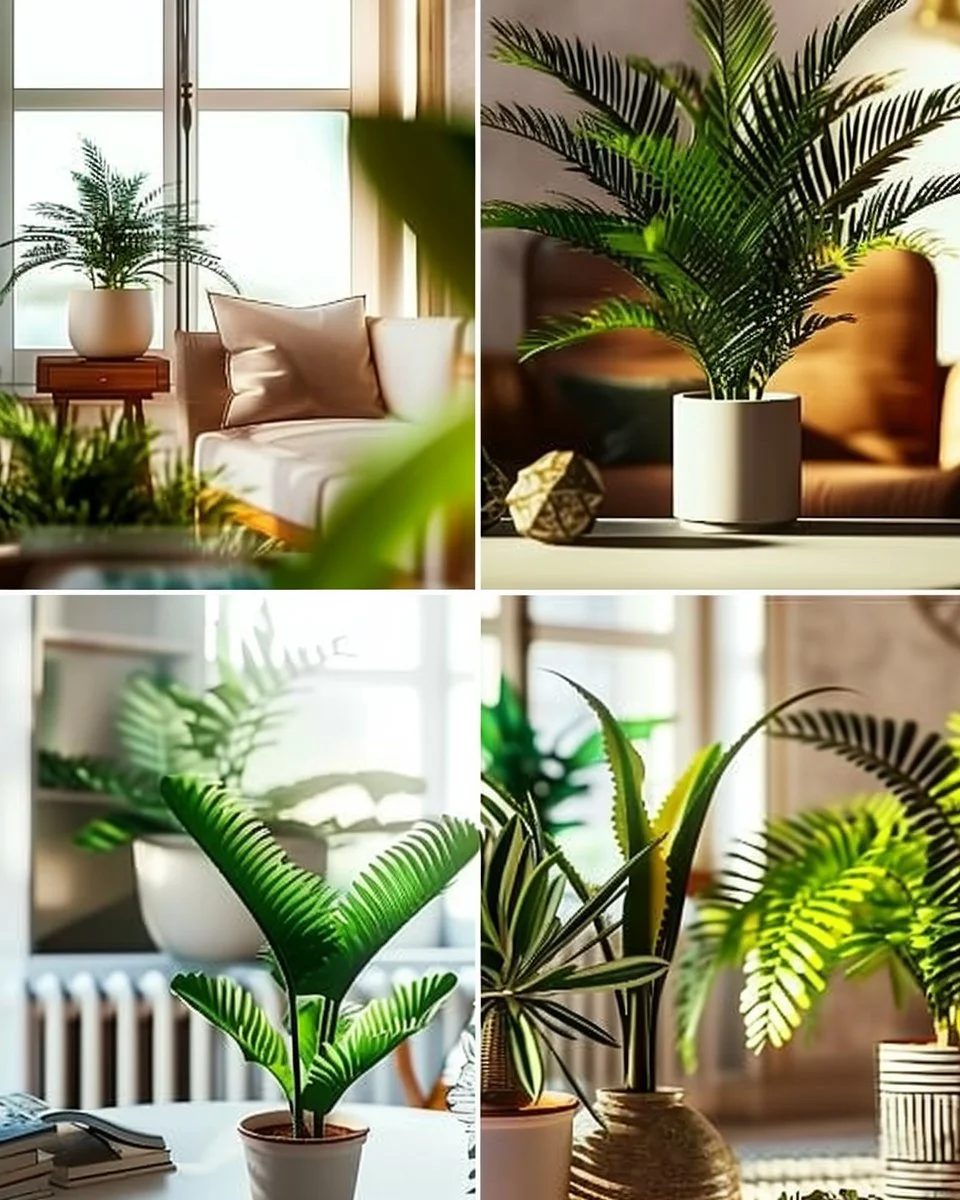
Are you a proud pet owner who loves to surround yourself with greenery but worry about your furry friends getting into your houseplants? You’re not alone! Many pet lovers face this dilemma. The good news is that there are plenty of beautiful plants that are not only safe for your pets but also enhance your home’s aesthetic. In this guide, we’ll explore 15 Pet-Safe House Plants for Your Home, showcasing how these plants can bring life to your space while keeping your beloved animals safe. Let’s dive into the world of greenery that both you and your pets can enjoy!
Table of Contents
Overview of Pet-Safe House Plants
When it comes to choosing houseplants, it’s essential to know which ones are safe for your pets. Some common houseplants can be toxic to cats and dogs, which makes selecting pet-safe options crucial. The 15 Pet-Safe House Plants for Your Home include vibrant plants that thrive indoors and will not harm your beloved companions. Let’s discuss what makes these plants so safe and desirable.
Benefits of Having House Plants
Incorporating houseplants into your home can offer numerous benefits. Plants can improve air quality, increase humidity, and provide a calming atmosphere. Studies have shown that being around greenery can reduce stress and even boost your mood. Plus, caring for plants can be a rewarding hobby that allows you to connect with nature, even indoors. So, when you choose the 15 Pet-Safe House Plants for Your Home, you’re not just creating a beautiful living space; you’re enhancing your well-being and your pet’s environment as well.
Top Pet-Safe Plants
Spider Plant
Starting our list is the charming spider plant. These hardy green beauties have arching leaves and tiny white flowers. Not only are they easy to care for, but they also thrive in a variety of light conditions. Plus, if your cat takes a nibble, there’s no harm done! The spider plant is known for its air-purifying qualities, making it a fantastic choice for any home.
Boston Fern
The Boston fern is a classic houseplant that loves humidity. Its lush, feathery fronds can add a touch of tropical elegance to any room. Place it in a well-lit area and keep its soil moist for optimum growth. If you’re looking to create a cozy nook that feels like a fern-filled oasis, the Boston fern is a safe choice for your pets.
Areca Palm
If you’re after a tall plant with a tropical flair, the areca palm fits the bill. This pet-safe plant features feathery fronds and can grow quite tall, making it an eye-catching addition to your home. It prefers indirect sunlight and can thrive in various indoor climates, making it an adaptable choice for any space.
Parlor Palm
Another great option is the parlor palm, which is not only pet-friendly but also highly decorative. Known for its graceful fronds, this plant grows slowly and can be perfect for smaller spaces. Its resilience makes it ideal for beginners, and since it’s non-toxic, it’s a worry-free option for pet owners.
Care Tips for Pet-Safe Plants
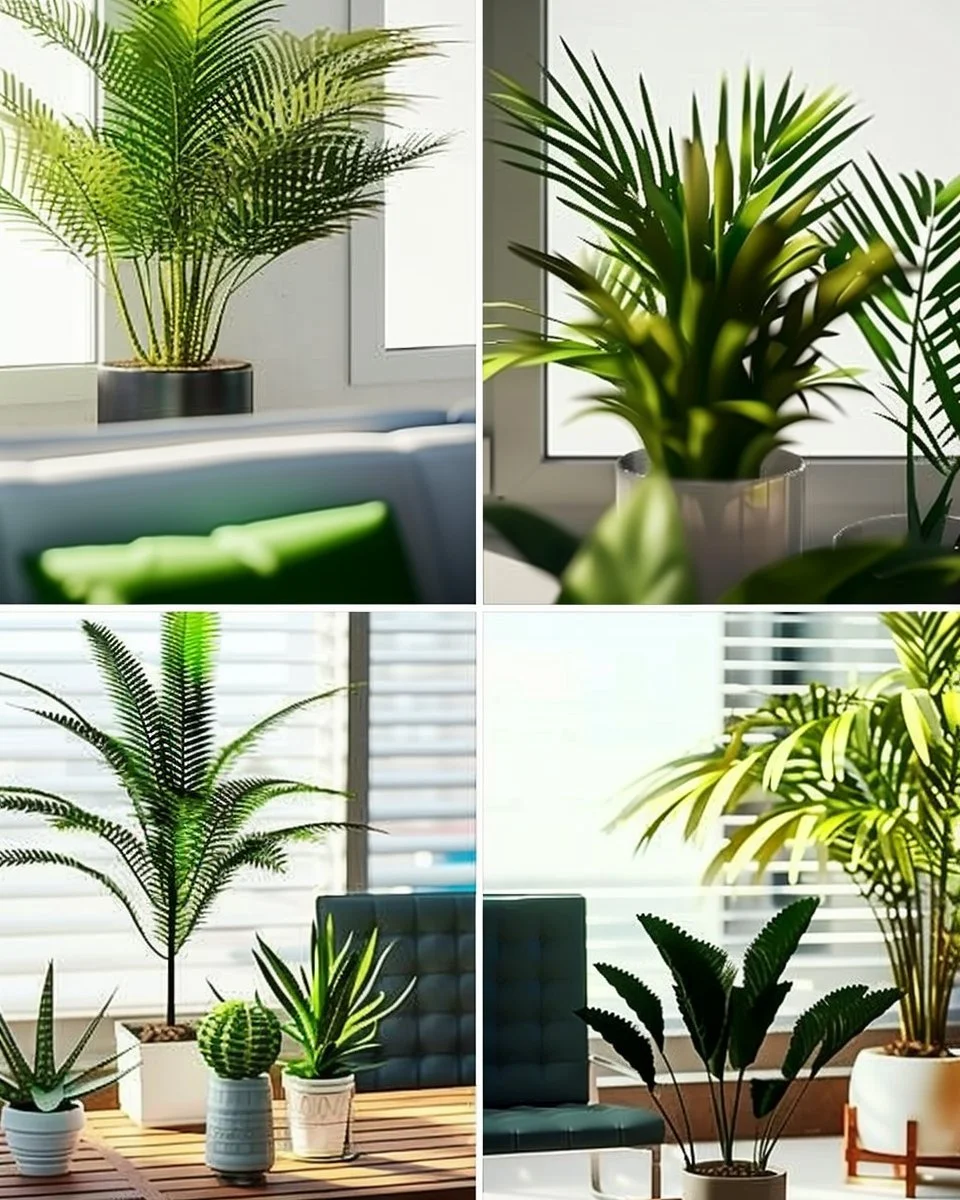
Caring for your pet-safe plants is essential for their health and longevity. Here are a few tips to ensure your plants thrive:
- Light: Most of these plants prefer indirect sunlight. Make sure to place them in locations where they can soak up light without being scorched.
- Watering: Over- or under-watering is a common mistake. Always check the soil moisture before watering. A plant that is pet-safe today can become a challenge if neglected!
- Humidity: Many of these plants thrive in higher humidity. Consider misting them or placing a small humidifier nearby.
- Pest Control: Keep an eye out for pests, but always choose pet-friendly pest control methods to keep your plants and pets safe.
Creating an inviting environment for your plants and pets doesn’t have to be complicated. When you choose from the 15 Pet-Safe House Plants for Your Home, you’re not only making a stylish statement but also fostering a safe atmosphere for your furry companions.
Creating a Pet-Friendly Plant Space
Imagine walking into a vibrant room filled with greenery that complements your pet’s playful nature. Here are a few tips for designing a pet-friendly plant space:
- Elevate Plants: Use shelves or hanging planters to keep your plants out of reach. This prevents curious pets from digging in the soil or munching on leaves.
- Choose Sturdy Containers: Consider heavier pots that are less likely to tip over if your pet decides to investigate.
- Select the Right Spot: Ensure the placement of your plants considers your pet’s habits. For example, if you have a playful dog, avoid placing plants in areas where they frequently romp or lounge.
Creating this space can be a fun experience. A little planning goes a long way to ensure both your green friends and your four-legged companions can coexist happily.
Conclusion
In conclusion, incorporating houseplants into your home has numerous benefits, especially when you choose from the 15 Pet-Safe House Plants for Your Home. Not only can they brighten up your space, but they also contribute to your well-being while ensuring a safe environment for your pets. Remember to maintain proper care routines, and don’t hesitate to explore new pet-safe varieties that can bring joy and beauty to your living space.
FAQs
1. Are all houseplants safe for pets?
No, many common houseplants can be toxic to pets. It’s important to research and choose plants that are specifically labeled as pet-safe.
2. Can I keep my pet away from my plants?
While you can create barriers and elevate plants, some pets may still be curious. It’s best to supervise and provide alternative safe chewing options for them.
3. How can I tell if a plant is safe for my pet?
You can check reliable resources online or consult your veterinarian for a list of pet-safe plants.
4. What should I do if my pet eats a toxic plant?
If you suspect your pet has ingested a toxic plant, contact your veterinarian or an animal poison control center immediately.
5. How often should I water pet-safe plants?
Watering frequency varies by plant type and environmental factors. It’s best to check the soil moisture and only water when it’s dry to the touch.