
Introduction
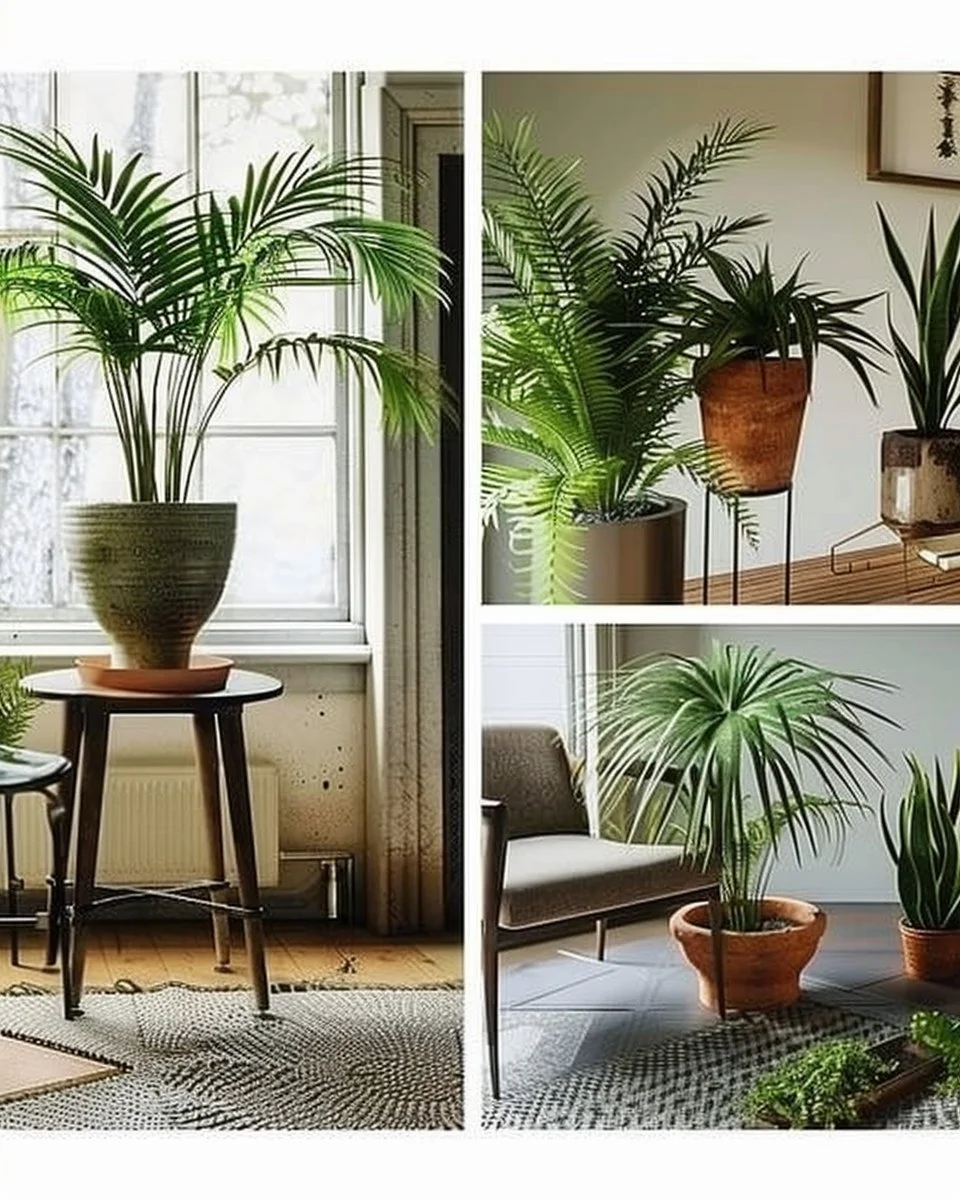
Have you ever stepped into a home and felt an immediate wave of calm wash over you? There’s a good chance those serene vibes were thanks to some lush indoor plants. For those of us with pets, finding houseplants that don’t pose a threat can be a daunting task. Fear not! This guide will walk you through the 9 Best Indoor Plants For Beginners Pet Safe, helping you choose the perfect greenery that brightens your space and keeps your furry friends safe.
From low-light lovers to low-maintenance succulents, I’ll explore a variety of plants that are not only pet-friendly but also easy to care for. Whether you’re a seasoned plant enthusiast or just starting out, you’re sure to find something that suits your home and lifestyle.
Table of Contents
The Benefits of Indoor Plants for Pet Owners
Bringing plants into your home can have numerous benefits, especially for those of us with pets. First, they help purify the air, removing toxins and providing fresher oxygen. Not only does this benefit you, but it also creates a healthier environment for your furry companions.
Plants can also serve as natural humidifiers, helping to maintain moisture in the air, which can be beneficial for both pets and humans alike. Plus, they add a splash of color, beauty, and life to any room, making your home feel more inviting. But let’s face it—ensuring that the plants you choose are safe for your pets is crucial!
Key Factors to Consider When Choosing Indoor Plants
When selecting indoor plants, especially if you have pets, there are a few guidelines to keep in mind:
Toxicity: Always check if a plant is toxic to cats or dogs. Even a seemingly minor issue, like a plant that causes mild gastrointestinal upset, is something to avoid.
Care Requirements: Opt for plants that fit your lifestyle. If you travel often or have a busy schedule, consider low-maintenance plants that can thrive without constant attention.
Light Conditions: Assess the light availability in your home. Some plants thrive in bright, indirect sunlight, while others do fine in low light.
Humidity Needs: Certain plants require higher humidity levels to thrive. If you live in a dryer climate, pick plants that handle such conditions better.
Overview of the 9 Best Indoor Plants For Beginners Pet Safe
Let’s dive into the heart of this guide—the plants! Here are the 9 Best Indoor Plants For Beginners Pet Safe that will make lovely additions to your home while keeping your furry friends safe.
Spider Plant
The Spider Plant is a classic choice for beginners. With its arching green leaves and small offshoots, it adds a lovely touch to any space. It thrives in a variety of light conditions and is forgiving if you occasionally forget to water it. Plus, it’s safe for pets!
Boston Fern
This lush plant has feathery fronds that create a tropical feel indoors. It prefers humid environments, so it’s ideal for bathrooms or kitchens. Just remember to water it often to keep the soil moist. Best of all, it’s non-toxic for pets.
Areca Palm
The Areca Palm is known for its bright green, feathery leaves and tropical feel. It’s an excellent air purifier and thrives in indirect sunlight. This pet-safe plant can grow quite tall, making it a stunning statement piece.
Bamboo Palm
This plant is perfect for low-light settings and requires minimal care. Its tall, arching leaves create an elegant look. It’s also safe for both dogs and cats, ensuring your pet can roam freely without concern.
Calathea
Calathea brings unique patterns and colors to your indoor garden. The leaves can feature marbled patterns, making it a visual delight. They thrive in indirect sunlight and like slightly higher humidity. Rest assured, it’s pet-friendly.
Parlor Palm
The Parlor Palm has a graceful appearance, making it a lovely choice for small spaces. It does well in low to medium light and prefers minimal watering. Plus, it’s non-toxic for pets, which adds to its appeal.
Money Tree
The Money Tree is said to bring good luck and prosperity. Its braided trunk and shiny leaves make it visually striking. It’s fairly easy to care for and loves indirect light. You can have your peace of mind knowing it’s also safe for your pets.
Ponytail Palm
Despite its name, the Ponytail Palm isn’t actually a palm; it’s a succulent! Its unique bulbous trunk and cascading leaves create an eye-catching display. It requires little water and is perfectly safe for pets.
Phalaenopsis Orchid
For those looking for a splash of color, the Phalaenopsis Orchid is a beautiful flowering plant that blooms for a long time. It prefers indirect light and moderate humidity, making it an excellent choice for indoor spaces. And, yes, it’s safe for your furry friends.
Care Tips for Your Pet-Safe Indoor Plants
Caring for houseplants isn’t just about keeping them alive; it’s about helping them thrive! Here are some tips to consider:
Watering: Be mindful not to overwater. Many plants do better with dry soil between waterings. Check the top inch or so of the soil before adding more water.
Lighting: Make sure you place your plants in suitable light conditions. If a plant appears leggy, it might be reaching for more light.
Dusting: Dust can accumulate on leaves, blocking sunlight. Gently wipe leaves with a damp cloth to keep them clean and allow them to photosynthesize effectively.
Fertilizing: Use an all-purpose fertilizer during the growing season (spring and summer) to promote healthy growth.
Regular Checks: Regularly inspect your plants for signs of pests or disease to catch any problems early.
Decorating with Indoor Plants
Integrating plants into your home décor can elevate the ambiance dramatically. Here are a few decorating tips to consider:
Group Plants: Use a mix of sizes and shapes to create interest and depth. Larger plants can anchor corners, while smaller ones can be displayed on shelves or tabletops.
Use Unique Pots: The pot can be as important as the plant. Unique containers or hanging baskets can draw the eye and enhance the overall look.
Incorporate Shelving: Floating shelves are an attractive way to display smaller plants and can add vertical elements to your décor.
Softening Spaces: Use plants to soften hard lines in your home. Place them near furniture or architectural features to create contrast.
The beauty of having indoor plants is that they can reflect your personal style and create a living, breathing space you love to return to.
Conclusion
Finding the 9 Best Indoor Plants For Beginners Pet Safe doesn’t have to be overwhelming. With a little research and some thoughtful consideration, you can curate a lovely indoor garden that not only beautifies your home but is also safe for your pets. Remember, the joy of nurturing plants is incredibly rewarding. So, start small, experiment with different varieties, and enjoy the lush, vibrant environment you’ll create!
FAQs
What indoor plants are safe for pets?
Plants like the Spider Plant, Boston Fern, and Areca Palm are known to be safe for both cats and dogs.
How can I tell if a plant is toxic to my pet?
Research online or consult with your vet to determine any plant’s toxicity. The ASPCA website is a reliable resource for checking plant safety.
Do pet-safe plants require special care?
Generally, pet-safe plants don’t require special care, but it’s essential to understand their specific needs regarding light, water, and humidity.
Can I use fertilizers on pet-safe plants?
Yes, but opt for organic or pet-safe fertilizers to avoid any potential risks.
What’s the best way to introduce new plants to my home?
Start by placing them in a room where your pet doesn’t have direct access. Observe their behavior around the plants before moving them to your main spaces.