
Introduction
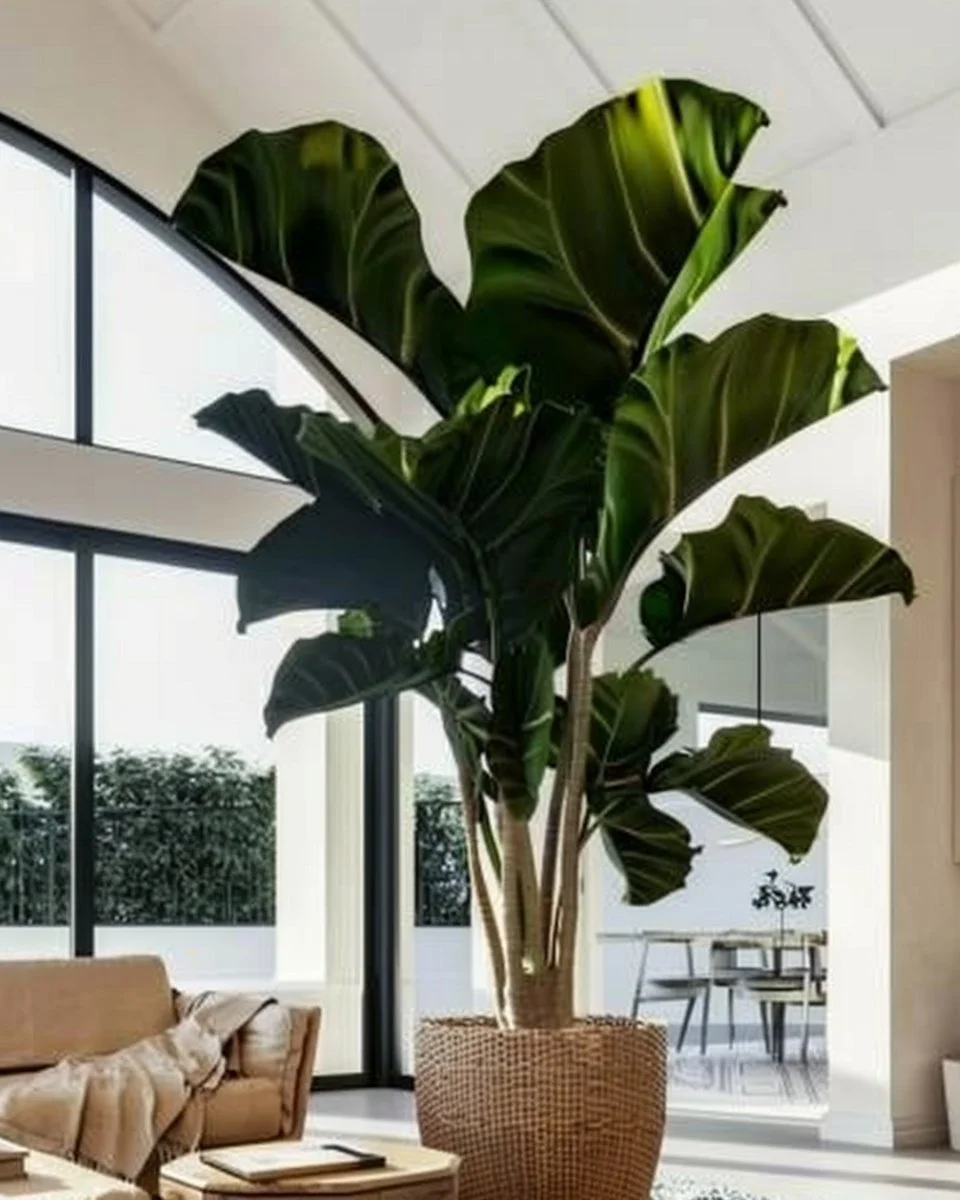
Have you ever walked into a room that felt a little dull or lifeless? It’s surprising how a few house plants can transform the ambiance of a space, adding warmth and color. Large indoor house plants, in particular, can be striking focal points, creating a lively contrast against your walls and furniture. In this article, we’ll explore the 10 best large indoor house plants that can not only enhance your home decor but also improve your indoor air quality. You’ll learn about their care needs, unique characteristics, and how they can thrive in your living space.
Table of Contents
Benefits of Large Indoor House Plants
Large indoor house plants are more than just attractive decor. They offer an array of benefits that can enhance your living space and overall well-being. One of the most significant advantages is their ability to purify the air. Studies have shown that plants can filter out harmful toxins and improve indoor air quality.
Additionally, they bring a touch of nature indoors, creating a calming environment. Whether you’re working from home or unwinding on the weekend, having large plants around can reduce stress and enhance your mood.
Ever notice how a colorful plant can spark a conversation? They not only beautify your home but also serve as great conversation starters. Whether you have a green thumb or are new to plant care, incorporating large indoor house plants into your home can be both rewarding and enjoyable.
Popular Large Indoor House Plants
Fiddle Leaf Fig
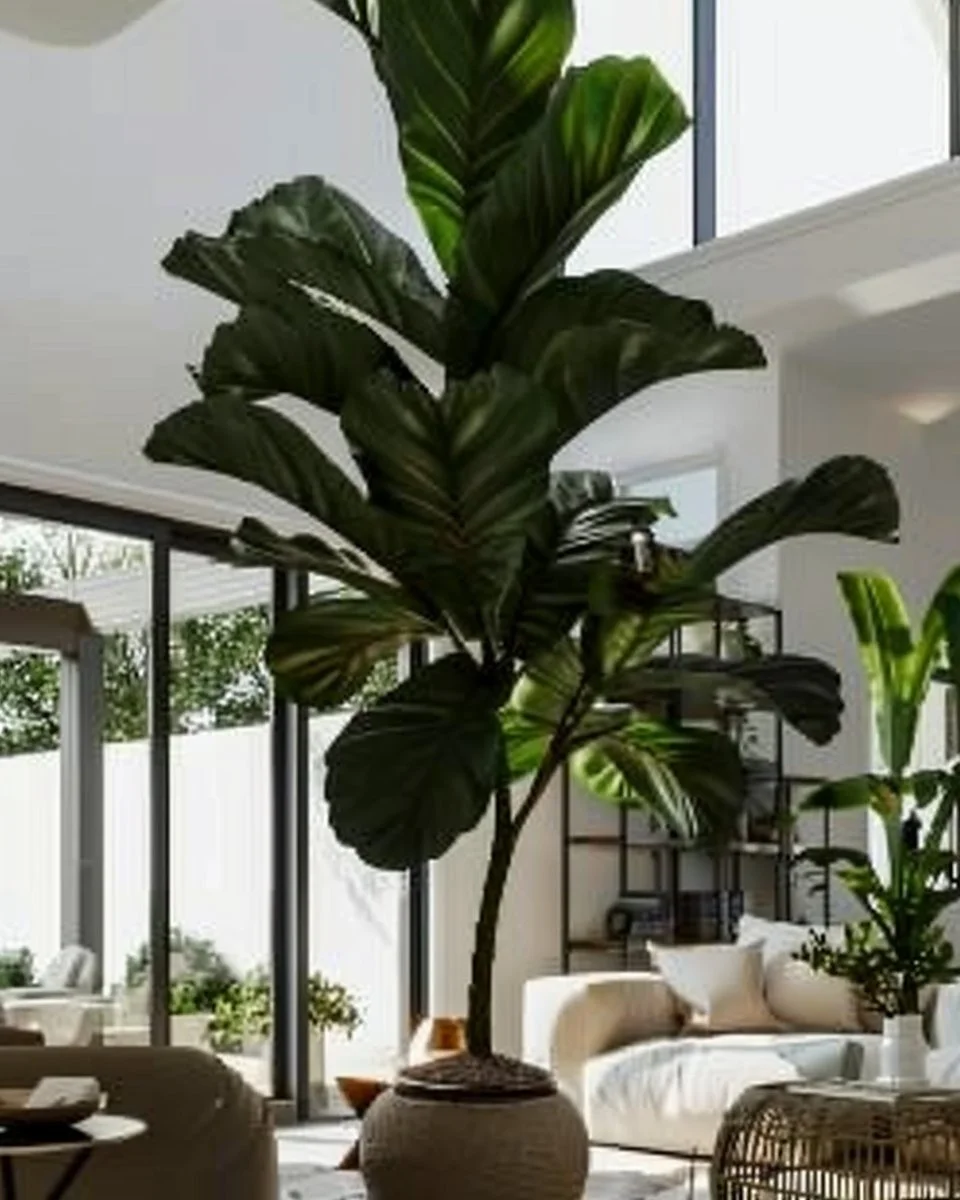
The Fiddle Leaf Fig is often regarded as a must-have among house plant enthusiasts. With its large, glossy leaves that can grow up to 18 inches long, it’s a dramatic statement plant. As a tropical species, it thrives in bright, indirect light. They enjoy consistent moisture, but be cautious of overwatering.
Rubber Plant
Rubber Plants are resilient and forgiving, making them an excellent choice for beginners. They feature broad, dark green leaves that can add a sense of whimsy to any space. Preferring bright, indirect sunlight, they can also tolerate lower light conditions. Allow the top couple of inches of soil to dry out between watering, as they dislike soggy roots.
Monstera Deliciosa
Monstera Deliciosa, also known as the Swiss Cheese Plant, is famous for its uniquely shaped leaves adorned with natural splits and holes. These plants can reach impressive heights, making them a showstopper in any room. They thrive in bright, indirect light and enjoy high humidity, so consider grouping them with other plants to maintain moisture.
Peace Lily
The Peace Lily is loved for its elegant white flowers and glossy leaves. They’re perfect for low-light situations, making them a versatile choice for darker rooms. They want their soil to remain moist but not soggy, and don’t mind a little neglect. Their air-purifying qualities are an added bonus!
How to Care for Large Indoor House Plants
Watering Requirements
One of the key factors in keeping large indoor house plants thriving is understanding their watering needs. Generally, it’s best to water when the top inch of soil feels dry. Overwatering is a common mistake, so always check the moisture level before adding more water. Each plant has its particular preference, so ensure that you’re not oversaturating those that prefer drier conditions.
Light Conditions
Light is another crucial element for plant health. Most large indoor house plants prefer bright, indirect light. However, some, like the Peace Lily and Rubber Plant, can adapt to lower light situations. If you notice your plant stretching toward the light source or its leaves are yellowing, it may need more sunlight.
Soil and Fertilization
Using the right soil is essential. A well-draining potting mix tailored for houseplants is usually the best option. Fertilization requirements vary, but generally, you can boost your plants with a balanced liquid fertilizer during the growing season. This helps them thrive and encourages new growth.
Decorating with Large Indoor House Plants
Choosing the Right Spot
Placement is crucial for large indoor house plants. Consider spots that receive bright, indirect sunlight, like near windows or in well-lit corners. Keep in mind that some plants, such as the Fiddle Leaf Fig, may need to be rotated to maintain even growth.
Combining Different Plants
Don’t be afraid to mix and match! Grouping various types of plants can create a stunning indoor jungle aesthetic. Combine plants with different leaf shapes, sizes, and growth habits to add depth and interest to your space. Just ensure that the care requirements align, as this will simplify maintenance.
Common Problems with Large Indoor House Plants
Pests and Diseases
Pests such as spider mites, aphids, and fungus gnats can be a nuisance. Regular checks help catch infestations early. If you notice sticky residue or webbing on the leaves, it’s time to act. Neem oil or insecticidal soap works wonders for most pests.
Overwatering Issues
As discussed earlier, overwatering can lead to root rot, a common issue for house plants. If you notice yellowing leaves or a wilting plant, check the roots for mushiness. If you think you’ve overdone it, repotting in dry soil may save your plant.
Conclusion
By now, you should have a good grasp of the 10 best large indoor house plants, their care requirements, and how to incorporate them into your home. These plants do more than beautify your space; they enhance your air quality, create a calming environment, and even spark creativity. Remember to choose plants that resonate with you and fit the conditions of your home. Happy planting!
FAQs
What are the best large indoor house plants for low light?
The Peace Lily and Rubber Plant are excellent options for low-light conditions. They both thrive without direct sunlight.
How often should I water my large indoor house plants?
It largely depends on the type of plant and its environment. Generally, let the top inch of soil dry out before watering again.
Can large indoor house plants purify the air?
Yes, many large indoor house plants, such as the Peace Lily and Fiddle Leaf Fig, can help filter toxins and improve air quality.
Are large indoor house plants safe for pets?
While many large house plants are non-toxic, some like the Peace Lily can be toxic to pets. Always check for pet safety before bringing a new plant home.
What should I do if my large indoor house plant is losing leaves?
Leaf drop can be a sign of various issues, including overwatering, pests, or insufficient light. Evaluate the plant’s environment and watering routine to identify the cause.