
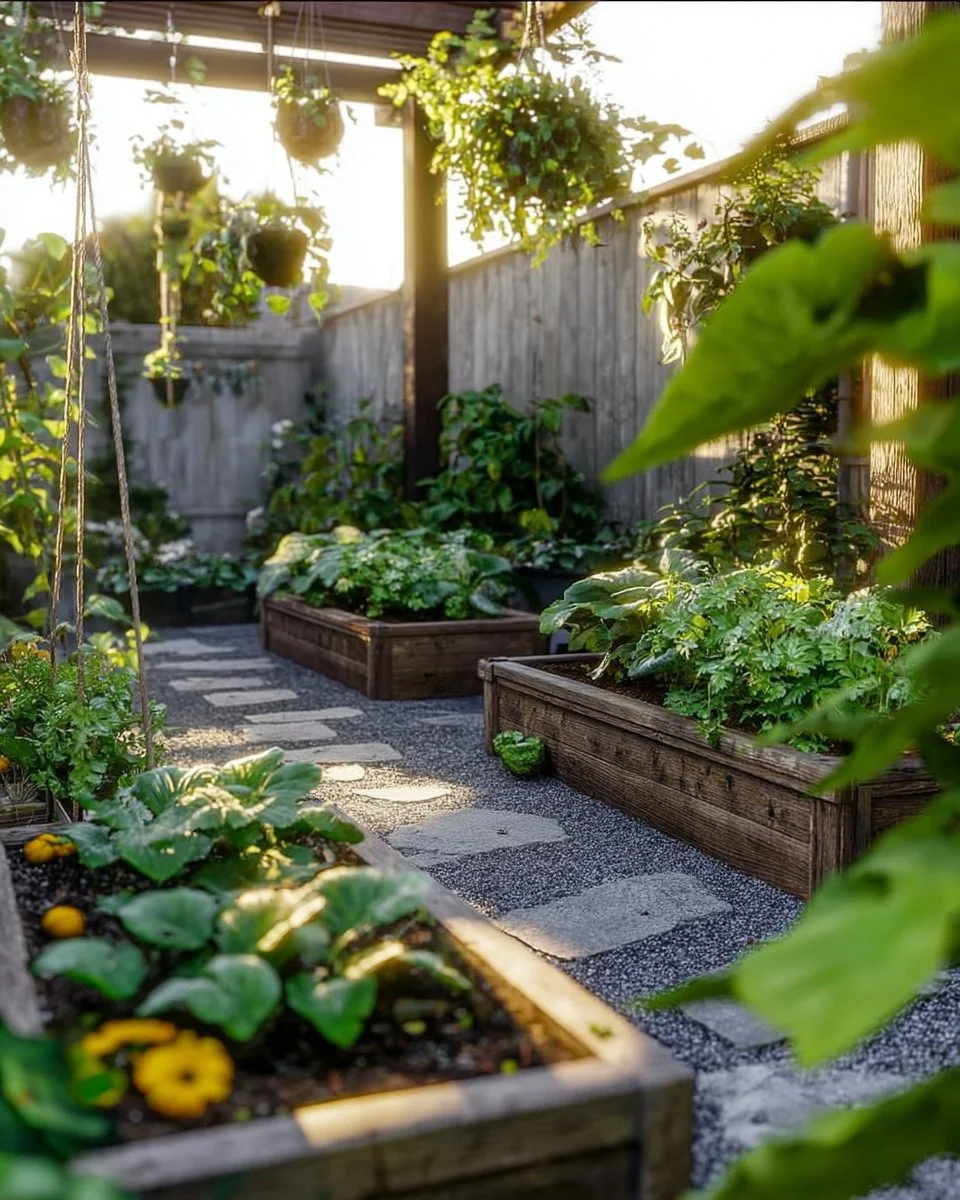
Introduction to Urban Gardening Solutions: Creating a Small Patio Veggie Garden
Have you ever dreamed of a lush green space filled with home-grown vegetables, right on your patio? Urban Gardening Solutions: Creating a Small Patio Veggie Garden makes that dream accessible to those with limited space. Whether you live in a bustling city or just have a small outdoor area, cultivating a veggie garden can be a fulfilling and tasty endeavor. Imagine stepping outside to harvest fresh tomatoes, crisp lettuce, or fragrant basil—how great does that sound?
This project is special because it offers practical gardening solutions that fit within the constraints of a small patio. It’s an affordable way to bring nature to your urban lifestyle, providing fresh produce right outside your door. The skill level is beginner-friendly, meaning you don’t need a green thumb or extensive gardening experience to create your own space. Plus, you can complete the setup in just a weekend without breaking the bank.
The build usually requires a modest budget and carries the charm of a homemade project. You’ll be amazed at how simple materials can transform your patio into a vibrant veggie paradise. With just a little effort, your small space can make a significant difference to your meals and lifestyle.
Table of Contents
Key Benefits of Urban Gardening Solutions: Creating a Small Patio Veggie Garden
Why You’ll Love This Build
- Space Efficiency: Perfect for small areas or limited outdoor space.
- Cost Savings: Reduces grocery bills by providing fresh produce.
- Fresh Taste: Enjoy the superior flavor of home-grown veggies.
- Health Benefits: Encourages eating more vegetables and provides physical activity.
- Customizable Design: Tailor the garden layout and plant selection to your preferences.
- Aesthetic Appeal: Adds greenery and beauty to your patio space.
What Makes It Stand Out
Creating a veggie garden on your patio is not only an original way to use limited space but also an exciting project that fosters sustainability. You can customize your garden according to your tastes and preferences. It can include a variety of herbs, vegetables, or even fruits that thrive in pots or raised beds.
Compared to store-bought alternatives, growing your own vegetables eliminates packaging waste, reduces your carbon footprint, and gives you the satisfaction of nurturing something from seed to harvest. Watching your garden evolve is a rewarding experience that brings you closer to nature, even in the heart of urban life.
Project Specs for Urban Gardening Solutions: Creating a Small Patio Veggie Garden
At-a-Glance Details
- Skill Level: Beginner
- Estimated Time: 6-8 hours over a weekend
- Estimated Cost: $100 – $200 USD
- Dimensions: Customizable; typically range from 3’ x 3’ (0.9m x 0.9m) to larger sizes as needed.
- Indoor/Outdoor Suitability: Outdoor
- Tools Needed at a Minimum: Drill, saw, shovel, watering can, level.
Materials and Tools for Urban Gardening Solutions: Creating a Small Patio Veggie Garden
Complete Materials List with Measurements
- Planter Boxes or Raised Bed Kits: Depending on your available space (usually 4’ x 2’ or 3’ x 3’).
- Potting Soil: About 2-3 cubic feet (56-85 liters).
- Vegetable Seeds/Seedlings: Varieties like lettuce, tomatoes, and herbs.
- Wood Boards (if constructing your own planters): 1” x 6” boards, length as needed for desired planter dimensions.
- Wood Screws (2.5” long): As needed for assembly.
- Landscape Fabric or Plastic Liner: Enough to cover the bottom of your planters.
Complete Tools List
- Drill: For making holes and assembling planter boxes.
- Saw: A hand saw or power saw to cut wood pieces.
- Shovel: For mixing soil and planting.
- Watering Can: For your plants’ hydration.
- Level: To ensure your planters are even.
Substitutes and Alternatives
If budget constraints are a concern, consider using recycled materials for your planters; old wooden pallets, for instance, can be turned into charming raised beds. Alternatively, you can use large plastic containers like storage bins to save on planter costs. If gardening tools are sparse, a good-quality hand saw can be replaced with a utility knife for smaller cuts, though caution must be exercised.
For soil, purchasing a high-quality potting mix is ideal, but you can also create a blend using topsoil, compost, and peat moss if you prefer a more hands-on approach.
Cut List and Measurements for Urban Gardening Solutions: Creating a Small Patio Veggie Garden
- Wood Boards for Planters:
- 4 pieces at 48” x 6” (122cm x 15cm) for the long sides.
- 4 pieces at 24” x 6” (61cm x 15cm) for short ends.
- Base Panels (if using a solid bottom):
- 1 piece at 48” x 24” (122cm x 61cm); cut to fit.
- Support Beams (optional for larger planters):
- 2-3 pieces at 2” x 2” (5cm x 5cm), cut as needed for support.
Make sure to mark the grain direction on your wood before cutting. Use a pilot hole for screws to prevent wood from splitting.
Safety and Prep for Urban Gardening Solutions: Creating a Small Patio Veggie Garden
Before beginning your gardening project, ensure your workspace is prepared and organized. Wear personal protective equipment (PPE) like gloves and safety glasses, especially when using power tools or handling soil. Measure and mark your wood pieces accurately to avoid mistakes. Maintaining a clutter-free area will help keep tools within reach and improve overall safety.
When working with wood, use clamps to hold pieces in place while drilling or screwing. Ensure adequate ventilation if you’re working in an enclosed space, especially when using any treated wood or products that emit fumes.
How to Build Urban Gardening Solutions: Creating a Small Patio Veggie Garden – Step-by-Step Directions
Step 1 – Prep and Layout
Start by determining where you want to place your planter. Ensure it receives sufficient sunlight, ideally at least six hours daily. Mark the dimensions on the ground to visualize the size of your planter.
Step 2 – Cut and Label Pieces
Using your saw, cut the wood boards according to the cut list provided. Label each piece to avoid confusion during assembly. Smooth any rough edges with sandpaper for user safety and aesthetics.
Step 3 – Dry Fit and Mark Joinery
Before assembling, dry fit all pieces together. This helps to visualize the final structure. Mark where you’ll place pilot holes for screws to ensure accurate joinery and prevent the wood from splitting.
Step 4 – Assemble the Frame/Body
Begin assembling the frame by attaching the long sides to the short sides using screws. Ensure everything is square by checking diagonals. Use a level to maintain horizontal alignments.
Step 5 – Reinforce and Square
Check the planter’s squareness once assembled and reinforce corners with additional screws or brackets if necessary. Make sure it doesn’t wobble; adjustments can be made by tweaking the joins.
Step 6 – Attach Surfaces or Panels
If your design includes a bottom or base panel, secure it using screws. Ensure proper spacing of screws based on the size of the project; around every 12-16 inches (30-40cm) is advisable for rigidity.
Step 7 – Sanding and Edge Treatment
Once assembled, sand the entire planter to remove splinters. Start with a lower grit and progress towards a higher grit for a smooth finish. Clean the dust off before applying any finish.
Step 8 – Finish Application
Apply a weather-resistant stain or paint according to manufacturer instructions. It’s best to do this outside during the day for proper drying. Allow sufficient recoat times between layers, typically around 4-6 hours. Outdoor finishes will provide extra protection against the elements.
FAQ
What vegetables are best for a small patio garden?
Compact varieties of tomatoes, peppers, herbs, and some leafy greens like lettuce and spinach are excellent choices.
How much sunlight does my patio garden need?
Ideally, your veggie garden should receive at least 6 hours of direct sunlight daily for optimal growth.
How often should I water my patio garden?
This primarily depends on the plant species and weather. Typically, watering once or twice a week is sufficient, but check the soil’s moisture regularly.
Can I grow vegetables indoors?
While most vegetables thrive outdoors, some, like herbs or dwarf varieties, can grow indoors with adequate light and care.
How can I protect my patio garden from pests?
Use natural pest deterrents like neem oil or insecticidal soap. Planting companion plants can also help keep unwanted pests away.