
Introduction
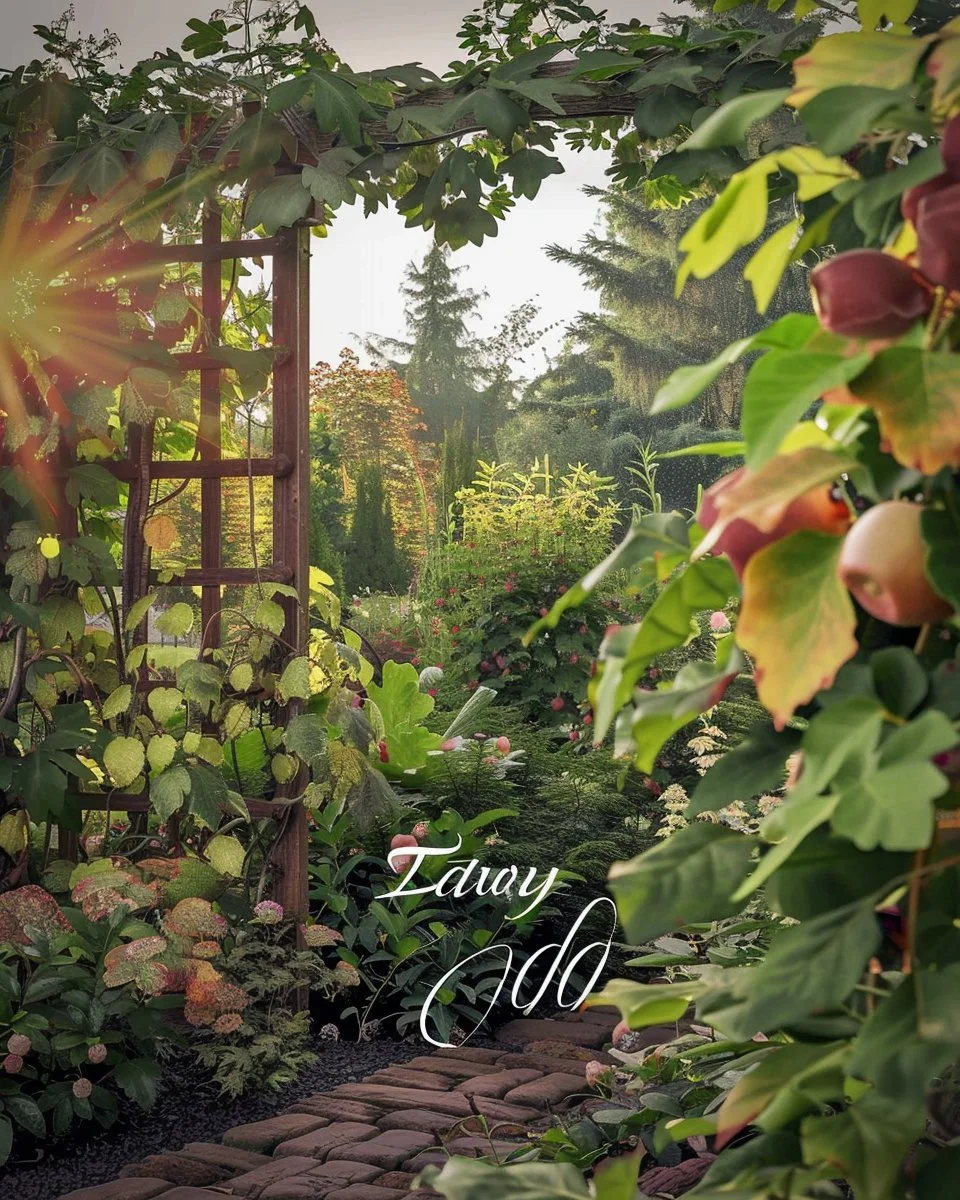
Creating a fruit garden can feel like crafting your own little Eden right in your backyard. Imagine the joy of walking through rows of vibrant trees laden with fresh fruit, the sweet scents wafting through the air inviting you to pick your very own apples or pears. But designing your ideal orchard can be a bit daunting, especially when you’re not sure where to begin. That’s why I’m excited to share with you 22 Fruit Garden Layout Ideas 🍎 Backyard Designs for Your Own Orchard Paradise. In this guide, you’ll discover a variety of layout options, practical tips, and inspiring stories that will help you cultivate your green space into a fruitful wonderland.
Table of Contents
Creative Layouts for Small Spaces
When yard space is limited, you might think that a fruit garden is out of reach. However, there are numerous imaginative options available that can help you maximize your growing potential without sacrificing beauty.
Vertical Gardening Techniques
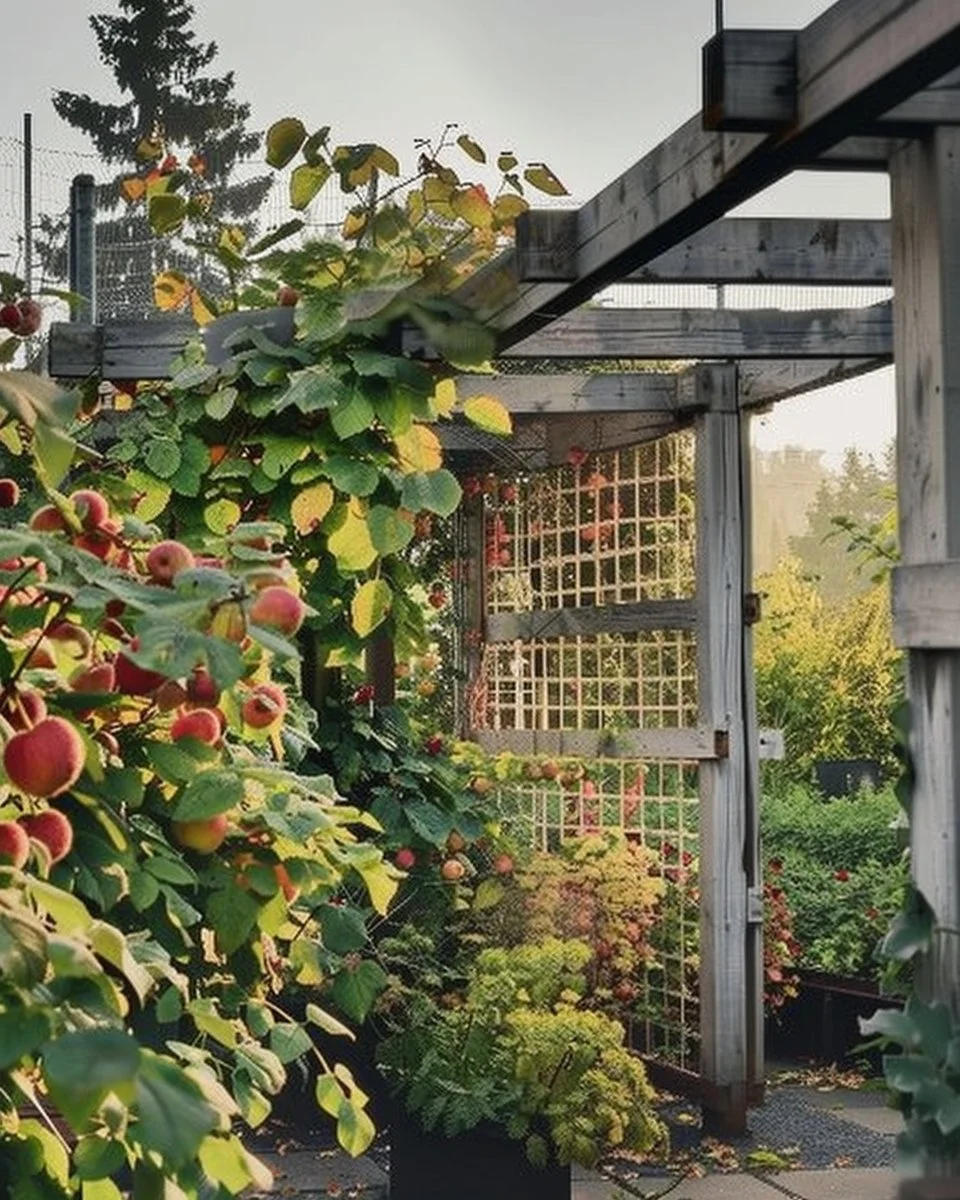
Vertical gardening is an excellent way to utilize fences, walls, or trellises for growing fruit. For instance, consider planting strawberries in hanging pots, or utilize espalier techniques to train apple trees against a wall. Not only does this save space, but it also creates a striking visual appeal as your garden grows and blossoms.
Choosing the Right Trees
If you’re working with a smaller area, look for dwarf or miniature fruit trees. Varieties like the ‘Fuji’ or ‘Honeycrisp’ apple often thrive even in confined spaces. The key is to select trees that will not overpower the area but still provide a bountiful harvest.
Essential Considerations Before Planting
Before digging in, it’s crucial to consider several foundational aspects that can affect the success of your garden.
Soil Requirements and Testing
Healthy soil is vital for growing fruit trees. Conduct a soil test to determine pH levels and nutrient content. Most fruit-bearing plants prefer a slightly acidic to neutral pH (around 6.0 to 7.0). You can enhance soil quality by incorporating organic matter such as compost to improve drainage and nutrient availability.
Sunlight and Spacing Needs
Ultimately, successful fruit production is heavily influenced by sunlight. Aim for at least six to eight hours of sunlight daily. When planting, ensure adequate spacing between trees to allow for airflow and accessibility. For standard trees, spacing of 15-20 feet is ideal, while dwarf varieties can be much closer together.
Mix and Match: Companion Planting Strategies
Companion planting can be an effective strategy to promote growth, fend off pests, and even enhance flavors in your fruit garden.
Beneficial Plant Pairings
A classic example of companion planting involves pairing strawberry plants with spinach. Spinach provides ground cover that can help deter weeds, while strawberries thrive without competition for light. Similarly, planting aromatic herbs like basil or rosemary nearby can repel pests naturally, offering a form of intrinsic pest management.
Maximizing Space Efficiency
Incorporating flowers like marigolds or nasturtiums can draw beneficial insects while providing beautiful contrasts in color throughout your garden. Consider using intercropping techniques, too, which allow the cultivation of two different fruits in the same plot to boost productivity.
Seasonal Care and Maintenance
Keeping a healthy fruit garden requires regular attention throughout the seasons.
Pruning and Training Techniques
Regularly pruning trees not only helps shape their structure but also encourages better fruit production. Learning how to prune effectively involves understanding the specific needs of each species, but key timing is generally during the late winter or early spring while the tree is still dormant.
Pest Management Strategies
As your orchard grows, so might the challenges with pests. Organic pest management techniques such as introducing beneficial insects (like ladybugs) and using neem oil can help keep harmful pests at bay while promoting healthier fruit.
Designing a Family-Friendly Orchard
Creating a fruit garden is not just about the harvest; it’s also about making a space that’s enjoyable for the whole family.
Incorporating Play Areas
An orchard can be a delightful play area for children. Consider designing paths for exploring, grassy spots for picnics, or incorporating a small treehouse nestled among the branches. This adds a wonderful layer of enjoyment beyond just fruit harvesting.
Edible Landscaping
Why not integrate some edible plants into your landscape design? By blending ornamental shrubs and colorful flowers with fruit-bearing plants, you create a visually appealing and functional landscape that invites everyone to engage with nature.
Sustainable Practices for Your Orchard
To promote longevity and health in your garden, integrating sustainable practices is key.
Organic Growing Methods
Consider organic methods for pest management and soil amendment, like using compost tea or organic fertilizers. These practices not only help you grow healthier fruit but also protect the environment and local wildlife.
Water Conservation Tips
Understanding water needs and irrigating wisely is essential. Implementing drip irrigation or using rain barrels can provide efficient water usage to sustain your trees while conserving resources—a step towards a sustainable garden.
Conclusion
Creating your own orchard paradise through these 22 Fruit Garden Layout Ideas 🍎 Backyard Designs for Your Own Orchard Paradise isn’t just about yielding delicious fruit; it’s about creating a serene space for enjoying nature. With thoughtful planning, sustainable practices, and creative gardening techniques, you can cultivate a vibrant, productive area right in your backyard. Remember that gardening is a journey, one filled with both challenges and rewards. So dig in, enjoy the process, and watch your little piece of paradise flourish!
FAQs
What fruit trees are best for small backyards?
Dwarf and semi-dwarf varieties such as ‘Nadia’ plums, ‘Babycake’ peaches, and ‘Honeycrisp’ apples are excellent choices.
How do I start planning my fruit garden layout?
Begin by analyzing your space for sunlight, soil condition, and access, then sketch out potential layout ideas considering factors like tree size and companion planting.
How can I attract pollinators to my fruit garden?
Planting flowers such as lavender, borage, or sunflowers can help attract essential pollinators and support a healthy ecosystem.
When is the best time to plant fruit trees?
Late winter to early spring is generally the best time to plant bare-root trees, while container-grown trees can be planted throughout the growing season.
What organic methods work best for pest control?
Utilizing insecticidal soap, neem oil, and encouraging beneficial insects like ladybugs are effective organic pest control methods.