
Introduction
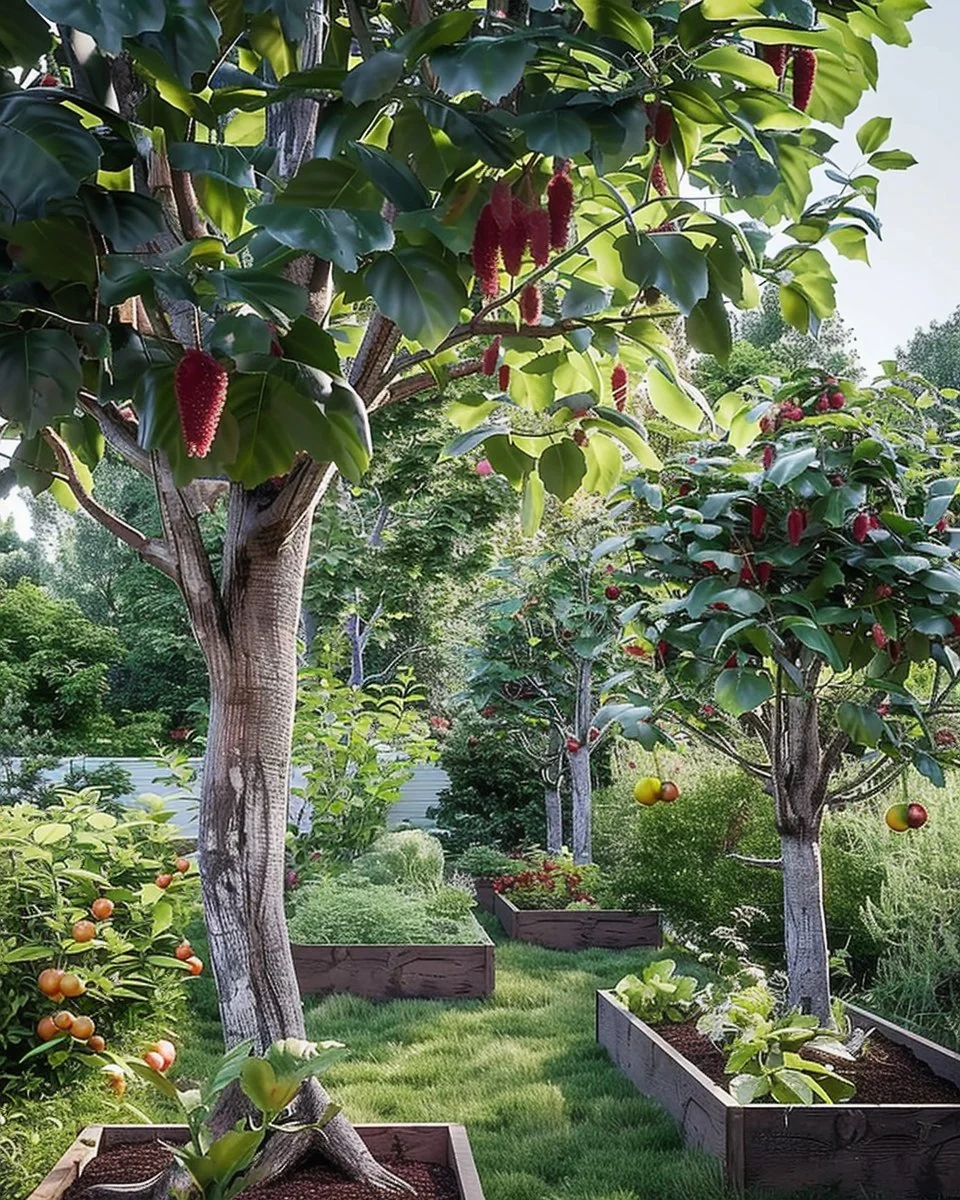
Imagine stepping into your backyard and being greeted by flourishing trees, heavy with ripe, juicy fruits. The mere thought can stir excitement, especially for gardening enthusiasts and curious beginners alike. The fantastic news is that you don’t have to wait years to enjoy the fruits of your labor. In this article, we’ll explore the 17+ Fastest Growing Fruit Trees That Bear Fruit Quickly! You’ll learn about a variety of trees that can provide a bounty of delicious fruit in record time, how to care for them, and tips to boost their growth. Let’s dig in!
Table of Contents
Fast Growing Fruit Trees Overview
Fast-growing fruit trees are a gardener’s delight! Generally, these trees can produce fruit in as little as a year or two, making them appealing for those who want to enjoy homegrown produce without the long wait often associated with traditional fruit trees. These trees vary widely in type, size, and fruit, allowing you to select what best suits your taste and your garden’s climate. Whether you’re looking for shade or a food source, fast-growing fruit trees can provide both.
Top 17+ Fastest Growing Fruit Trees
When it comes to fast-growing fruit trees, here are some of the best options:
Apple Trees
Apple trees are not only popular but also relatively easy to grow. Certain varieties like the ‘Cortland’ can produce fruit within two to three years after planting. They thrive in full sun and well-drained soil, requiring minimal maintenance.
Cherry Trees
Did you know sweet cherry trees can bear fruit in about three years? Varieties like ‘Bing’ or ‘Lapins’ are great choices. These trees do well in warmer climates, and who can resist those luscious red cherries?
Peach Trees
If you love peaches, consider planting a peach tree. They grow quickly and can produce fruit in just three to four years. The ‘Elberta’ peach variety is especially well-known for its rapid growth and robust flavor.
Plum Trees
Plum trees, particularly the ‘Methley’ variety, are known for their fast growth. They can start bearing fruit in around six years and do well in various soil types, provided they have good drainage.
Fig Trees
Figs are quite forgiving and grow rapidly. They often produce figs in their second year, making them a favorite for warm climates. The ‘Brown Turkey’ fig variety is particularly renowned for its sweet fruit and fast growth.
Citrus Trees
Citrus trees like lemon, lime, and orange can produce fruit surprisingly quickly. With proper care, they can bear fruit in about two to three years. Selecting a dwarf variety is ideal for smaller spaces, and they can thrive in pots as well!
Choosing the Right Soil and Location
Selecting the right soil and location is essential for the success of your fast-growing fruit trees.
Soil Type: Most fruit trees prefer well-draining soil with a slightly acidic to neutral pH (between 6.0 to 7.0). Incorporate organic matter like compost to enhance soil quality, which significantly aids growth.
Location: Choose a sunny spot that receives six to eight hours of sunlight daily. Consider wind breaks and protection from harsh weather to ensure your trees can thrive.
Care Tips for Rapid Growth
Proper care is the foundation of growing healthy, fast-producing fruit trees. Here are some helpful tips:
Watering: Ensure consistent moisture, especially during dry spells, but avoid overwatering as it can cause root rot. A general rule of thumb is to water deeply once a week.
Fertilizing: A balanced fertilizer, applied in early spring, can promote growth and help your fruit trees produce faster.
Pruning: Regular pruning not only shapes your trees but encourages new growth and better fruit production. Aim to remove dead or crossing branches while focusing on maintaining an open canopy.
Mulching: Apply a layer of mulch around your trees. This helps retain moisture and suppress weeds, ultimately aiding overall plant health.
Common Challenges with Fast Growing Trees
While fast-growing fruit trees have many benefits, they can also present challenges.
Pests and Diseases: Monitor your trees regularly for pests like aphids or diseases such as leaf spot. Early detection is key, so consider organic insecticides or homemade remedies to control issues.
Fruit Drop: Sometimes, young fruit trees may drop their fruits prematurely, often due to stress or lack of resources. Ensure proper spacing, watering, and nutrition to reduce this issue.
Harvesting Your Fruits Successfully
Understanding when and how to harvest your fruit is crucial.
Timing: Check for color and feel. Most fruits should be harvested when they’re fully colored and slightly soft to touch.
Technique: Use pruning shears or garden scissors to cut fruits, avoiding pulling them off the tree, which can damage branches.
Sharing your harvest can be a joyous experience! Have you ever thought about hosting a backyard fruit party with friends and family? It’s a great way to celebrate your green thumb.
Conclusion
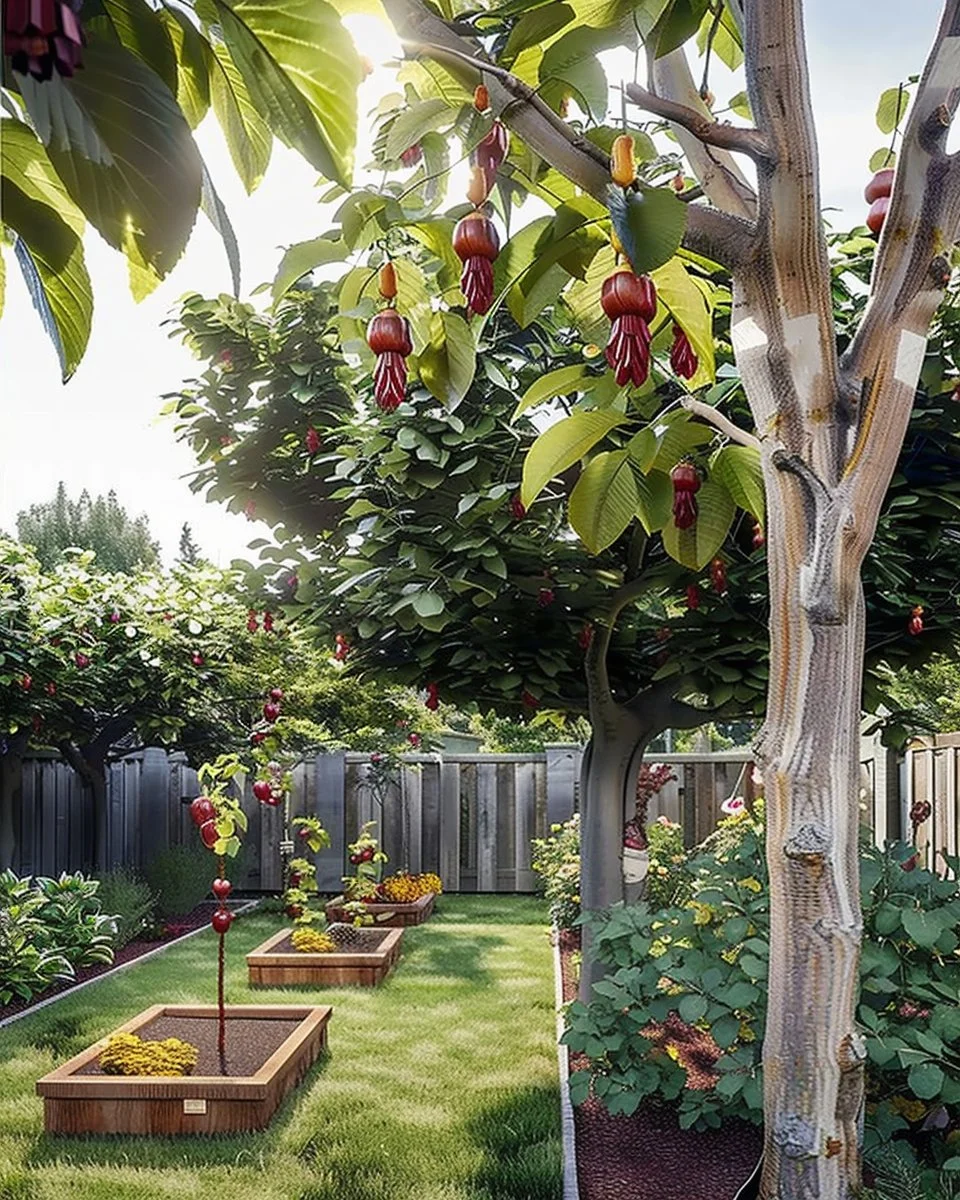
Now that you’re familiar with the 17+ Fastest Growing Fruit Trees That Bear Fruit Quickly!, you’re all set to embark on a fruitful gardening journey. These trees not only add beauty to your landscape but also offer delectable rewards in a short time. Remember to choose the right soil and care for your trees properly, and you’ll be enjoying your homegrown fruits before you know it. Happy gardening!
FAQs
What is the fastest fruit tree to grow?
Typically, peach trees can grow and bear fruit within just a couple of years, making them one of the fastest.
Can I grow fruit trees in pots?
Absolutely! Dwarf varieties of most fruit trees adapt well to container gardening.
How often should I water my fruit trees?
Water deeply once a week, adjusting frequency based on rainfall and soil moisture.
Are there any fruit trees that bear fruit the first year?
Some varieties of fig trees can bear fruit in their first year with proper care.
Do fast-growing fruit trees require a lot of maintenance?
While they need standard care like watering and pruning, they’re generally easier to maintain than older, slower-growing varieties.