
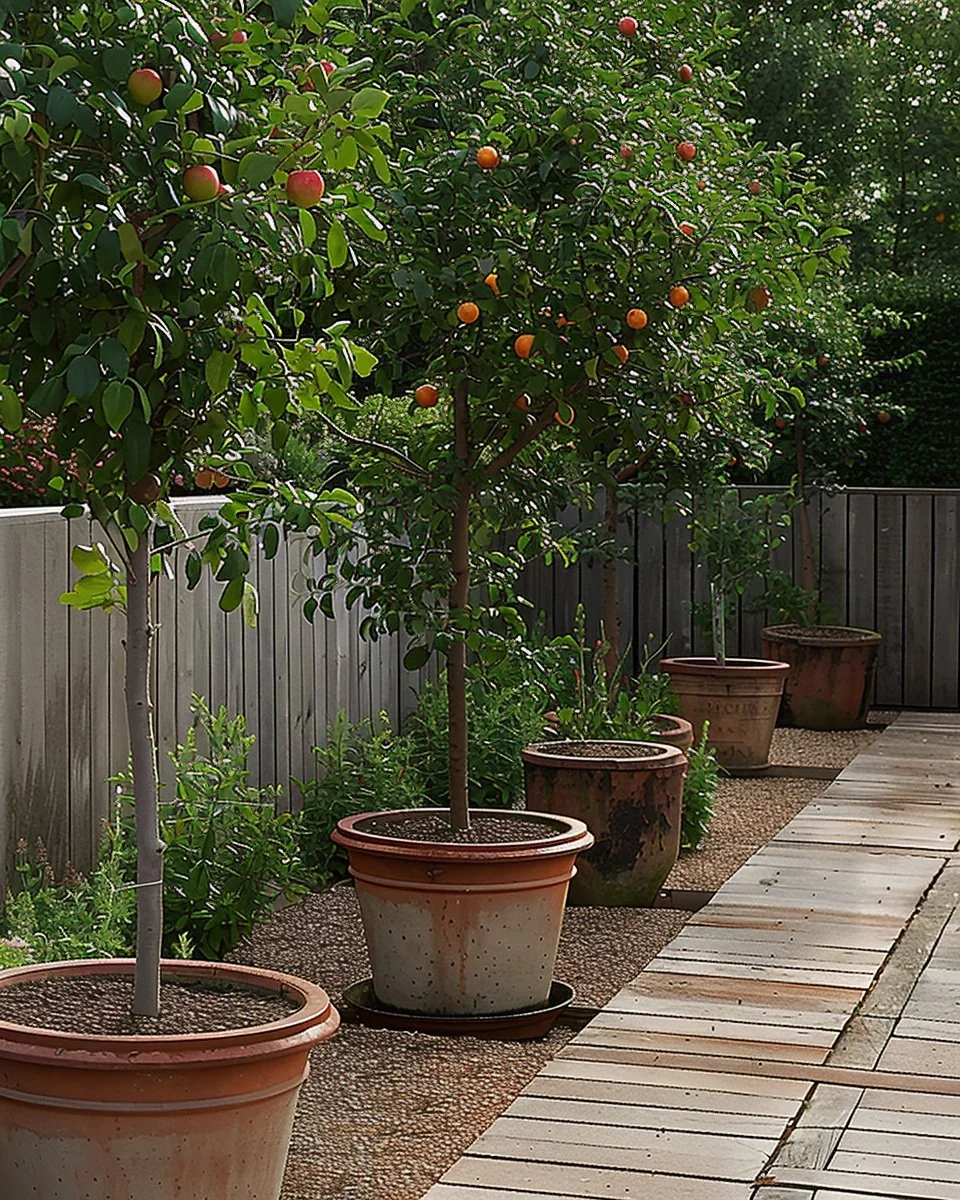
Introduction
Have you ever thought about the joy of stepping into your backyard to pick ripe, fresh fruit? Imagine smelling the sweet fragrance of peaches or biting into a crisp apple right from your own tree. It’s not just a dream; with the right choices, you can create your very own home orchard. In this article, you’ll discover the 12 Best Fruit Trees for Home Orchards, along with practical tips on how to choose, plant, and care for them. Whether you’re a seasoned gardener or just starting out, growing fruit trees can be a rewarding experience that adds beauty and productivity to your space.
Table of Contents
Choosing the Right Trees for Your Location
Climate Considerations
First things first—understanding your climate is crucial. Different fruit trees thrive in varying temperature ranges and climates. For instance, apples and cherries tend to enjoy cooler climates, while citrus and avocados prefer warmer conditions. You might recall the experience of tending to a garden that just didn’t thrive; perhaps you planted a tree that wasn’t suited for your area. Research your USDA hardiness zone to get a clearer picture of what will grow well in your backyard.
Space and Layout
Next, consider how much space you have. Some fruit trees can grow rather large—think of glorious apple trees with sprawling branches. Ensure you have room for growth; you wouldn’t want your new trees to crowd each other. Dwarf varieties can be a great solution for those with limited space, allowing you to plant a diverse orchard without feeling cramped.
Purpose and Use of the Fruit
Lastly, think about how you plan to use the fruit. Are you eager to cook, preserve, or snack straight from the tree? This will influence your choices as well. For example, if you love baking, you might favor cooking apples like Granny Smith; if you prefer eating fresh, you might gravitate towards sweet varieties.
The 12 Best Fruit Trees for Home Orchards
Apples
Apple trees are often the favorite of novice orchardists and for great reason. They produce abundant fruit and come in numerous varieties, from tart to sweet. Each year, I find myself eagerly waiting for autumn, when the apples are at their peak. When planting, consider cross-pollination with other apple varieties to increase your yield!
Pears
Pears are a delightful addition to any home orchard. Their sweet fruit can be harvested in late summer or fall, depending on the variety you choose. Like apples, they also benefit from cross-pollination, so don’t hesitate to plant more than one type!
Cherries
Cherry trees are perfect for adding a splash of color to your orchard in spring with their beautiful blossoms. Sweet cherries are delicious for snacking, while sour cherries are perfect for preserves. Just remember, they can be a bit finicky about weather, preferring temperate climates.
Peaches
There’s nothing quite like biting into a juicy, fresh peach in the summer. With their fuzzy exterior and sweet flesh, peach trees bring summer joy to your garden. Plant them in well-drained soil, and make sure they receive plenty of sunlight to thrive.
Plums
Plum trees offer fruit that’s both sweet and tart, perfect for eating fresh or using in desserts. Consider Japanese varieties for eating and European varieties for cooking. They can adapt to a variety of soils but thrive best in fertile, well-drained conditions.
Figs
Figs can be a unique twist in your home orchard. These trees love warmer climates and produce sweet fruit that can be eaten fresh or dried. Just be mindful of their watering needs—drought stress can affect fruit quality.
Citrus Trees
Imagine walking outside to pick an orange or lemon for your morning juice! Citrus trees, like oranges, lemons, and limes, thrive in warm climates and provide a juicy harvest. Pay attention to container-grown varieties for those with limited space.
Avocados
If you live in a warmer climate, consider planting an avocado tree. These trees can become quite large, but they reward you with creamy fruit—ideal for guacamole or salads. Opt for a cross-pollinator for increased fruit yield.
Planting Your Fruit Trees
Soil Preparation
Before planting, make sure your soil is well-prepared. A simple soil test can reveal pH levels and nutrient availability, allowing you to tailor your fertilization plan. Generally, a well-draining loamy soil works wonders for most fruit trees.
Planting Techniques
When it comes to planting, dig a hole that’s about twice the width of the root ball and just as deep. Backfill with soil mixed with organic matter to encourage root growth. During the planting process, keep the graft union above ground to avoid future complications.
Caring for Your Orchard
Watering Needs
Watering is critical, especially during the first few years. Young trees may need deep watering once a week, while established trees might require less frequent, deeper irrigation. Be careful not to water too much; excess moisture can lead to root rot.
Fertilization Tips
Fertilize your trees based on soil tests; focusing on nitrogen, phosphorus, and potassium can help. Spring is the best time for application to promote healthy growth. Organic compost is an excellent choice for fertilizing your trees naturally.
Pruning Basics
Regular pruning will help shape trees, remove dead or diseased branches, and encourage healthy fruit production. Each species has its own ideal time for pruning—early spring just before new growth is generally a safe window.
Common Pests and Diseases
Identification
Pests like aphids, spider mites, and fruit flies can pose threats to your harvest. Learn to recognize the signs of infestation early; yellowing leaves or holes in your fruit are often red flags.
Organic Management
Managing pests organically is possible with a proactive approach. Introduce beneficial insects like ladybugs to keep pest populations under control, or use neem oil sprays to manage outbreaks without harmful chemicals.
Harvesting and Enjoying Your Fruit
Timing
Harvesting times can vary significantly. Some fruits, like peaches, should be picked when they’re slightly soft to the touch, while apples may be better when they’re firm. Don’t wait too long—overripe fruit can attract pests.
Storage Tips
Once you’ve harvested, proper storage is key. Keep fruits like apples and pears in a cool, dry place with good airflow to prolong freshness. For those who love baking or cooking, consider preserving your harvest to enjoy throughout the year.
Conclusion
Creating a home orchard is an incredibly rewarding endeavor. With the 12 Best Fruit Trees for Home Orchards at your disposal, you can cultivate a diverse collection of fruits that not only beautify your landscape but also provide delicious produce for your table. Remember to select the right trees based on your climate, prepare your soil, and care for your plants with attention and love. Enjoy the journey and the fruits of your labor!
FAQs
What is the best time to plant fruit trees?
The best time to plant fruit trees is typically in the early spring or fall; this allows them to establish roots before summer heat or winter cold arrives.
How much sunlight do fruit trees need?
Most fruit trees require at least 6-8 hours of direct sunlight each day for optimal growth and fruit production.
Can I grow fruit trees in containers?
Yes! Many fruit trees, especially dwarf varieties, can thrive in containers, making them suitable for patios or small gardens.
How long does it take for fruit trees to bear fruit?
Depending on the variety, fruit trees can take anywhere from 2 to 5 years to start producing fruit.
What should I do if my fruit trees are not producing?
Evaluate your care routine, including watering, fertilization, and pruning, as environmental factors can influence fruit production. Testing the soil may also provide insights into nutrient deficiencies.