
Introduction
Have you ever stepped into a garden and felt an immediate sense of peace and joy? There’s something magical about well-structured spaces that seem to hug you with greenery, color, and life. As you create your own garden paradise, it’s vital to understand how to layer your garden effectively. This article will introduce you to Garden Layers That Work: From Pathways to Planting Ideas, guiding you through the essential elements to consider on your journey to beautification.
From vibrant flower beds to serene pathways, we’ll explore different layers that not only enhance the aesthetics of your garden but also promote healthy plant growth. So grab your gardening gloves, and let’s dig into the ideas that will turn your outdoor space into a sanctuary!
Table of Contents
Pathways: The Foundation of Your Garden
When planning a garden, pathways serve as the backbone of your design. Not only do they facilitate movement and access, but they also enhance the visual appeal of your outdoor space. Think of pathways as the garden’s veins, guiding visitors through the beauty of nature.
Materials for Beautiful Pathways
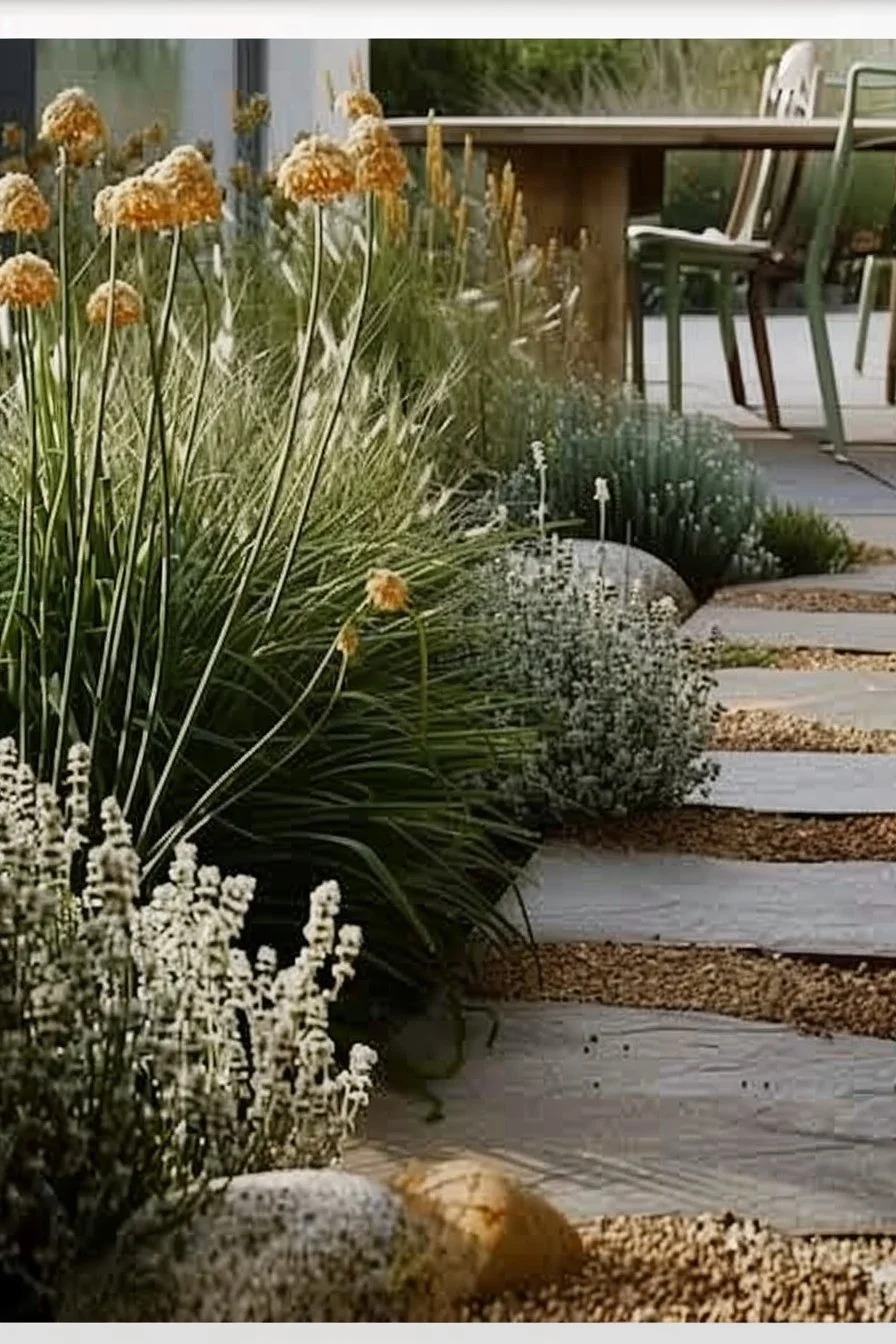
You have a plethora of material options, from natural stone to bricks and gravel. Each choice offers distinct qualities, so consider the overall theme of your garden. For instance, if you yearn for a rustic feel, a gravel pathway might be perfect. On the other hand, if a sleek, modern look is your aim, large concrete pavers could do the trick.
Designing Functional Pathways
Pathway design isn’t just about materials; it’s also about functionality. Create paths that not only look good but also direct traffic efficiently. Curved lines can provide a more relaxed feel, while straight paths often work best in formal gardens. Have you ever thought about creating a pathway that meanders through different garden layers, connecting spaces and leading the eye through your design?
Planting Layers: Creating Depth
Once you’ve established pathways, it’s time to consider the heart of the garden: the plants. Layering your plants can create a dynamic and lush environment that feels both full and inviting.
Annuals, Perennials, and Shrubs
A mix of annuals, perennials, and shrubs creates a vibrant blend of colors, shapes, and textures. Annuals can offer a burst of color each season, while perennials provide a reliable backbone as they return year after year. Shrubs introduce stability and frame your space, allowing flowers to shine.
The Importance of Vertical Growth
Incorporating vertical gardening techniques can further take your space to new heights—literally! Think climbing plants on trellises or tall grasses that sway in the breeze. By playing with vertical growth, you add interest and drama to your garden layers, ensuring that every gaze is rewarded with something unique.
Garden Borders: Framing Your Space
Borders act as the frame for your garden masterpiece, giving it structure and definition. They can effectively delineate different areas of your garden and enhance the overall aesthetic appeal.
Types of Borders to Consider
Choosing the right type of border can greatly impact how your garden feels. Consider using flowering plants, shrubs, or even decorative stones to create borders. Ornamental grasses make for excellent natural borders that softly transition between sections.
Using Edging to Define Areas
Edging can provide a more defined separation, helping to keep elements organized. It can be as simple as a line of bricks or more complex like a scalloped wood border. Edging not only adds to the beauty but also promotes neatness and order within your layers.
Incorporating Hardscapes: Balance in the Garden
Hardscaping refers to the non-plant elements in your garden, such as patios, walkways, and retaining walls. These elements are crucial for adding structure and functionality.
Choosing the Right Hardscape Materials
Choosing materials that complement your plant choices will create a cohesive look. Stone walls can enhance a rustic feel, while sleek concrete can add a modern touch. Think about how these surfaces can work together with your plants to create a seamless transition across your garden layers.
Integrating Features like Patios and Walls
Creating a patio or wall can serve as a lovely outdoor focal point. Imagine sunny afternoons lounging on a beautifully designed patio, surrounded by fragrant blooms and lush greenery. This integration adds a space for relaxation and entertainment while enriching the layered structure of your garden.
Color and Focal Points: Drawing the Eye
In any garden design, color plays an essential role in drawing the eye. Carefully consider how you can utilize color and create focal points to guide visitors through your garden layers.
Plant Color Combinations
Experiment with color combinations that inspire joy. Pair bright yellows with calming blues or vibrant reds with luscious greens. Complementary colors can make garden layers pop and create a visual feast that changes with the seasons.
Artful Focal Points in the Landscape
Incorporate unique elements like sculptures, birdbaths, or decorative pots to serve as eye-catching focal points. These features will naturally draw in your guests and encourage them to explore the layers of your garden further.
Seasonal Considerations: Year-Round Enjoyment
For lasting enjoyment, consider the seasonal changes in your garden design. A well-planned garden remains appealing throughout the year.
Plants for All Seasons
Select plants that bloom at different times of the year so that your garden is never without color. Think of hydrangeas that bloom in summer and asters that bring brightness in the fall. Including evergreens can provide structure and interest year-round.
Seasonal Decorations and Themes
Changing decorations can add fresh excitement to your garden. Seasonal whims, like fall pumpkins or spring blossoms, can keep your space looking new. Engaging in seasonal themes breathes life into your layers and invites creativity.
Conclusion
When you understand and apply Garden Layers That Work: From Pathways to Planting Ideas, your garden can transform into a vibrant haven. By thoughtfully designing pathways, layering plants, framing spaces with borders, and balancing hardscapes, your garden will bloom into a breathtaking sight. Remember, it’s not just about creating a beautiful garden; it’s about crafting a space that invites exploration, relaxation, and connection with nature. So, roll up your sleeves and start layering your way to a stunning outdoor oasis!
FAQs
What are garden layers?
Garden layers refer to the different levels of design in a garden, including pathways, plantings, borders, and hardscape elements, creating structure and beauty.
How do I choose the right plants for my layers?
Select plants based on your garden’s climate, soil, and light conditions while incorporating a mix of annuals, perennials, and shrubs for a dynamic layered effect.
Can I incorporate hardscapes into my garden design?
Absolutely! Hardscapes like patios, walls, and pathways add structure and contrast to your garden layers, making them an integral part of your design.
How do I create a focal point in my garden?
Choose unique elements such as sculptures or ornamental features that draw the eye and invite exploration within the layers of your garden.
What are some seasonal considerations for my garden?
To enjoy your garden year-round, plant seasonal blooms and incorporate decorations that align with the changing seasons, ensuring continuous interest and engagement.