
Introduction
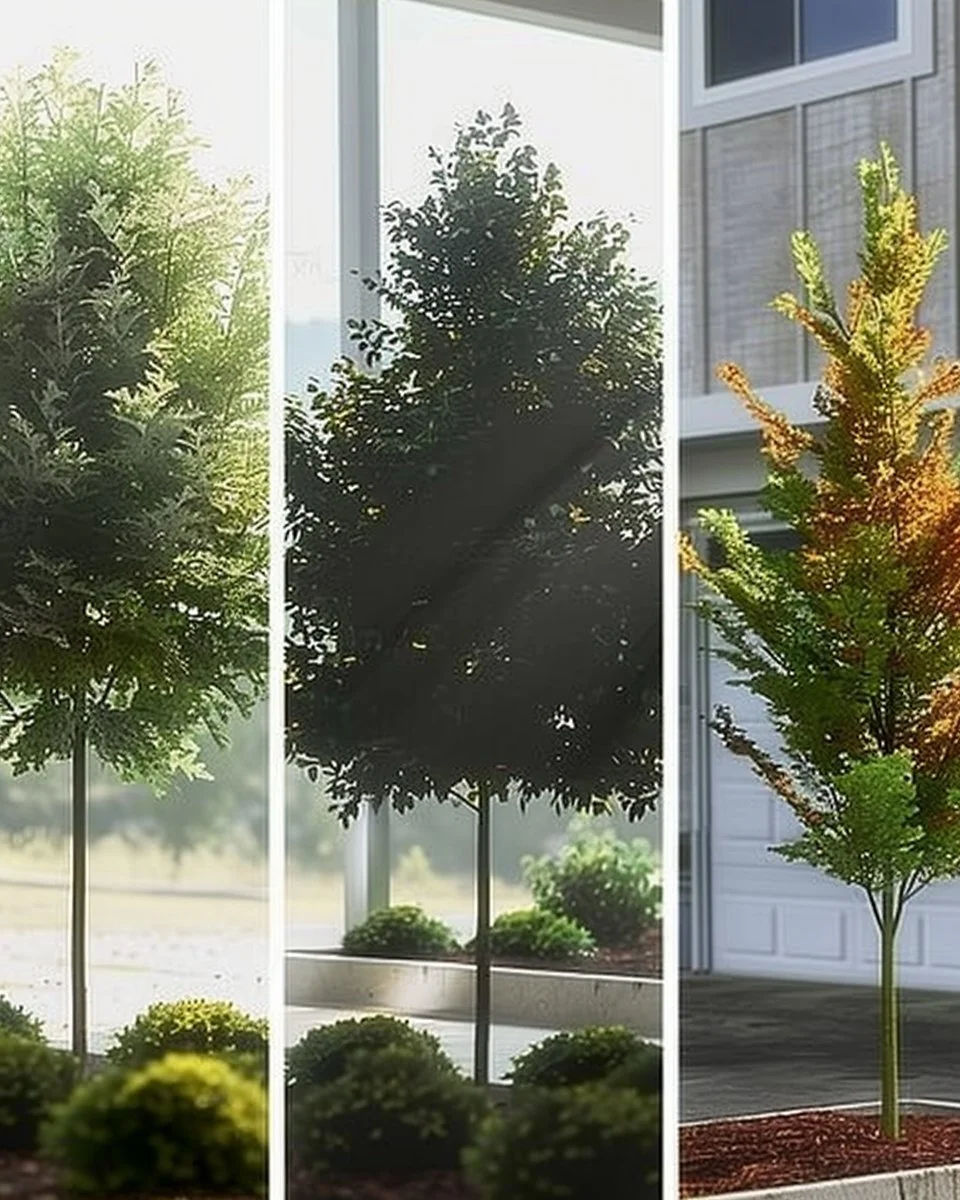
Imagine driving down your street, the sun shining down, and spotting a tiny gem standing out among the rest of the landscape. These are small trees that make your home look more inviting, charming, and full of personality. In the quest for enhancing curb appeal, the right tree can transform not just your yard but the entire vibe of your neighborhood. In this article, we’ll dive into the Top 5 Small Trees for Curb Appeal that you can easily integrate into your garden, whether you’re looking for something vibrant, subtle, or uniquely beautiful. Get ready to learn how these trees can elevate your home’s aesthetics and impress your guests!
Table of Contents
Popular Small Trees for Curb Appeal
When it comes to choosing the right small trees for your yard, there’s a plethora of options available, each with its own unique characteristics. Let’s explore our top selections.
Ornamental Cherry Trees
These stunning trees are famous for their breathtaking spring blossoms. The soft pink flowers against fresh green leaves create a picturesque sight. They’re particularly valuable because they grow relatively quickly, making them a wonderful option for those eager for instant gratification in their garden. Ornamental cherry trees can add elegance to your front yard, and their gentle sway in the breeze can bring a sense of tranquility.
Japanese Maple
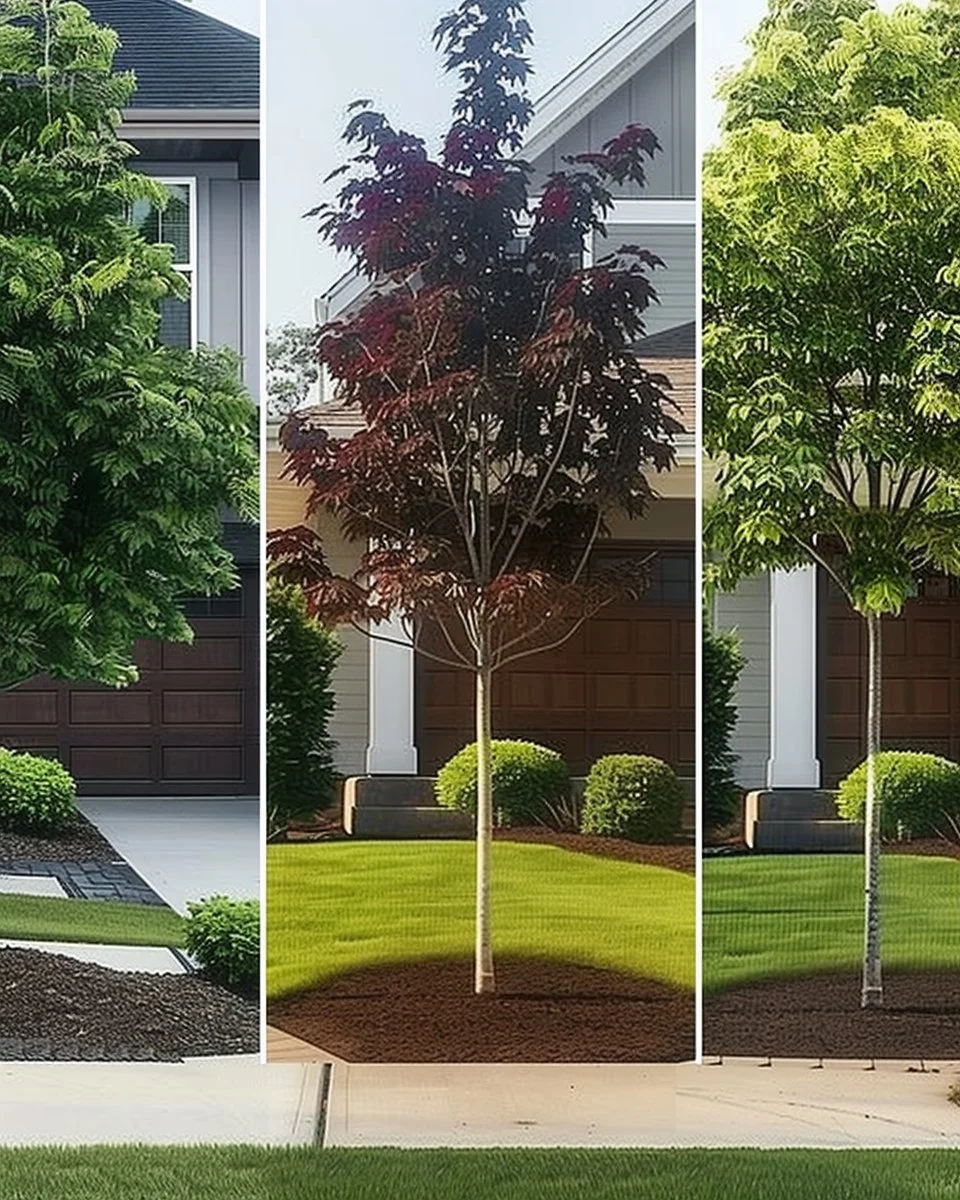
For those who appreciate intricate leaf patterns and striking colors, the Japanese Maple is a crown jewel. With varieties ranging from deep red to soft green, these trees really stand out. They’re smaller in stature, usually reaching about 15 to 25 feet. Planting a Japanese Maple can be a great conversation starter for those who visit your home, and they also frame a garden beautifully when placed strategically.
Redbud Trees
Redbuds are delightful small trees that bloom early in the spring with vibrant pink flowers. Their heart-shaped leaves add continuity to the aesthetic appeal throughout the seasons. Plus, redbud trees are native to North America, which means they are well adapted to the local climate and typically require less maintenance. They can fit nicely into most landscape designs and create a stunning focal point.
Flowering Dogwood
Flowering dogwoods are well-known for their romantic appearance, displaying beautiful white or pink blooms. They generally grow between 15 and 30 feet tall and prefer well-drained soil with partial shade. This tree not only offers visual appeal but also provides birds and other wildlife with shelter and food, enriching the ecological value of your garden. The autumn display of red foliage is an additional seasonal bonus!
Crape Myrtle
If you want a splash of summer color, the Crape Myrtle is an extraordinary option. This tree blooms in vibrant shades of pink, red, and white during the hotter months, providing splendid visual interest. Crape Myrtles can be pruned easily into desired shapes and sizes, which makes them incredibly versatile in design. They flourish in sunny spots and are excellent for attracting butterflies, making your garden both lively and attractive.
Care and Maintenance Tips
Caring for these small trees not only ensures that they thrive but also guarantees that they continue adding beauty and value to your property. Below are some essential tips to keep your trees healthy and looking their best.
Watering Your Small Trees
All trees require water, especially during their first few years as they establish themselves. Young trees benefit from deep watering sessions once a week, ensuring their roots can dig deep into the soil. During drier periods, keep an eye on your trees for any signs of wilting or dryness. Remember to water in the early morning or late afternoon to avoid evaporation.
Pruning and Shaping for Beauty
Regular pruning is essential for maintaining the aesthetic appeal and health of your small trees. Late winter or early spring is the best time to prune, as it allows for healthy growth. Removing dead branches improves air circulation, while shaping the tree promotes an attractive silhouette. Don’t hesitate to call a professional if you’re unsure — an expert can guide you on the best pruning practices specific to your chosen tree.
Fertilization and Soil Needs
Fertilizing your small trees can further enhance their growth trajectory. Using a slow-release organic fertilizer in the spring can provide the nutrients necessary for strong and vibrant foliage. Additionally, ensure your trees are planted in well-draining soil. Conducting a soil test can help determine what amendments may be necessary to cultivate an optimal environment for your trees.
Creating a Beautiful Landscape
Integrating small trees into your landscape is just one piece of the puzzle. Here’s how to consider them in the broader context of your property.
Pairing Trees with Other Plants
Selecting the right companion plants can enhance the visual impact of your small trees. For instance, planting seasonal flowers like daffodils around an ornamental cherry tree can offer bursts of color throughout spring. Consider contrasting foliage or complementary blooms to create a vibrant tapestry.
Designing Paths and Outdoor Spaces
Consider how paths and other hardscapes can complement the beauty of your small trees. Curved pathways can lead guests to specific trees, encouraging them to slow down and appreciate your hard work. Using natural stones or pavers can also create an inviting atmosphere.
Seasonal Considerations
The seasons can dramatically affect how small trees impact your curb appeal. Understanding their seasonal changes is critical for maximizing their beauty.
Spring Blooms
The spring season is prime time for flowering trees. They not only add beauty but also signify the arrival of warmer weather, making your property feel welcoming. Encourage guests to stop and admire the blossoms, and perhaps even enjoy a lemonade under the shade of your newly bloomed trees!
Fall Foliage
In the fall, trees like the Japanese Maple and Redbud put on a colorful display that can enhance your yard’s charm. The blend of oranges, reds, and yellows can create an everlasting impression. Rake fallen leaves regularly to showcase your tree’s majestic beauty, and consider planting a few fall-blooming perennials to maintain the vibrant color palette.
Cost Considerations
When selecting small trees for curb appeal, keep an eye on your budget. While buying young trees may be more affordable, investing in a well-established variety can save you time and effort in the long run. Check local nurseries for any seasonal sales or discounts; you might find perfectly priced selections for your yard that enhance your home’s appeal.
Conclusion
Choosing the right trees can significantly boost your home’s curb appeal, creating a lovely atmosphere that draws people in. The Top 5 Small Trees for Curb Appeal presented here — Ornamental Cherry, Japanese Maple, Redbud, Flowering Dogwood, and Crape Myrtle — each offer unique character, color, and beauty. By nourishing and featuring these trees in your garden, you’ll leave a lasting impression on neighbors and passersby alike. Ready to take the leap and enhance your landscape? With a little care and thought, your home can become the talk of the neighborhood.
FAQs
What is the best small tree for a small yard?
The Flowering Dogwood is an excellent choice for smaller spaces, as it generally stays compact and offers stunning blooms.
How quickly do small trees grow?
Growth rates can vary depending on the species, but many small trees can grow several feet per year if well cared for.
Do small trees require a lot of sunlight?
It depends on the type. For instance, Crape Myrtles love full sun, while some varieties of Japanese Maples prefer partial shade.
How do I know if my tree is healthy?
Signs of a healthy tree include lush, green leaves, a sturdy trunk, and a vibrant growth pattern. Look for any discoloration or unusual drooping, as these can indicate issues.
Can I plant small trees in containers?
Absolutely! Many small trees do well in containers and can be moved or rearranged to suit your preferences and seasonal displays.